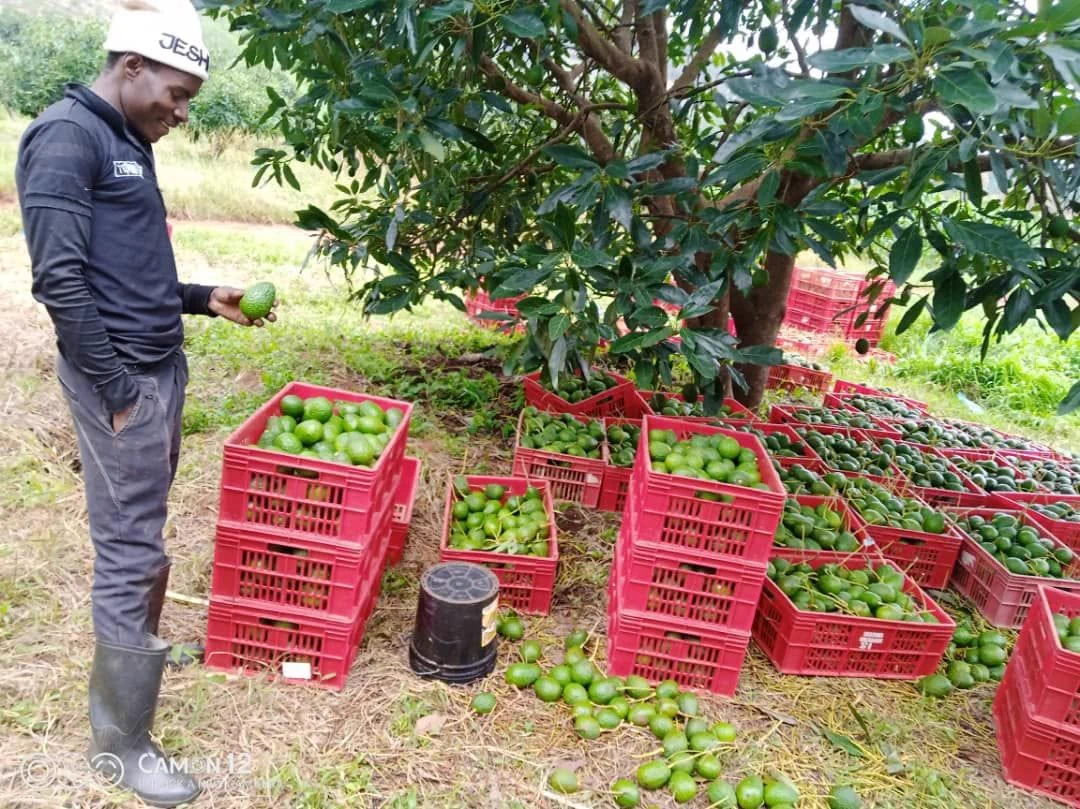
- Discover the total cost of establishing 1 acre of Hass avocado in Kenya. Detailed breakdown of 5m x 5m spacing (150 trees), seedling costs, irrigation, packhouse pricing, and 10-year returns.
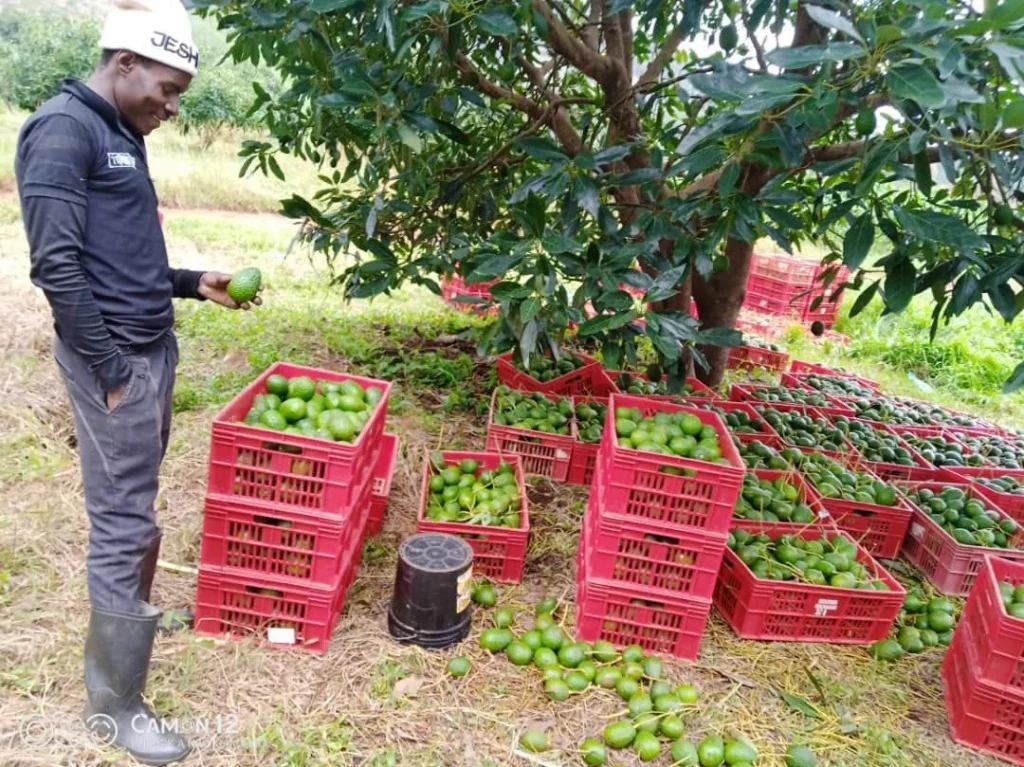
Cost of Establishing 1 Acre of Hass Avocado in Kenya: Setup Costs, Annual Expenses and 10-Year Returns
Evaluating the financial viability of perennial fruit crops requires analyzing exact initial capital outlays, routine field operations, and market pricing structures. For Kenyan landowners, commercial investors, and smallholder farmers, calculating the cost of establishing 1 acre of hass avocado in kenya is the essential first step before clearing land or making nursery deposits. Grafted Hass avocado (Persea americana) remains Kenya’s dominant horticultural export earner, opening consistent market channels across Europe, the Middle East, and Asia.
However, establishing a high-yielding orchard is a long-term capital enterprise rather than a quick seasonal cropping activity. Promoters often market avocado production using oversimplified financial projections that understate establishment budgets and overstate early returns. In practice, achieving maximum pack-out rates of export-grade fruit demands disciplined planning, proper spacing, high-quality planting material, and consistent water management.
This comprehensive guide provides an audited, transparent financial model for establishing and operating a one-acre commercial grafted Hass avocado orchard in Kenya. It examines initial land preparation, seedling procurement, rain-timed planting, irrigation budgeting, packhouse 4kg box pricing by fruit size, complete planting protocols, and realistic ten-year cash-flow scenarios.
Understanding the Commercial Hass Avocado Business in Kenya
Kenya’s equatorial position creates favorable growing microclimates across Murang’a, Kiambu, Nyeri, Kirinyaga, Embu, Meru, Nakuru, Uasin Gishu, and Trans Nzoia. The country’s production calendar yields fruit across multiple harvest windows, allowing exporters to supply international buyers when competing origins face seasonal declines.
The Hass variety dominates commercial export channels because of its high pulp oil content, rich nutty flavor, thick pebbly skin that resists transport scuffing, and long post-harvest shelf life under cold chain storage. While domestic retail channels accept green-skin varieties like Fuerte or Jumbo, commercial packhouses pay premium prices for certified, residue-free, medium-to-large Hass fruits that meet strict international standards.
Capitalizing on commercial fruit prices requires closing the field management gap. Unmanaged orchards with wide, erratic spacing, uncertified planting stock, and poor water management produce low yields of small, blemished fruits. These lower-grade fruits are rejected by export packhouses and sold to local spot brokers at steep discounts. Conversely, well-managed commercial orchards using certified seedlings, targeted drip irrigation, balanced plant nutrition, and disciplined canopy control achieve high yields of Grade-1 fruit that command top market rates.
Is Your Land Suitable for Hass Avocado Farming?
Before committing capital to field clearing or nursery bookings, you must evaluate the ecological suitability of your specific farm plot. Regional or county-level generalizations are insufficient because local microclimates, slope gradients, soil depths, and drainage characteristics vary significantly between neighboring farms.
Avocado root systems are sensitive to soil aeration and standing water. Up to 80% of an avocado tree’s active feeder roots reside in the top 60 centimeters of soil. These fine roots require high oxygen levels to function properly. In heavy clay soils or low-lying areas prone to waterlogging, standing water starves root tissues of oxygen within 48 hours, triggering rapid infection by Phytophthora cinnamomi (root rot).
                  ECOLOGICAL REQUIREMENT MATRIX

  PARAMETER          COMMERCIAL OPTIMAL RANGE     AGRONOMIC RISK IF OUTSIDE RANGE
  ──────────────────────────────────────────────────────────────────────────────
  Elevation          1,400m to 2,100m ASL         Below 1,200m: High thrips & disease pressure
                                                  Above 2,200m: Slow growth & frost damage
  Annual Rainfall    1,000mm to 1,600mm / year    Below 800mm: Requires supplementary drip
  Soil pH            5.5 to 6.5 (Slightly acidic) Below 5.0: Aluminum toxicity & root stunt
  Soil Drainage      Deep, well-drained loams     Heavy clay: Severe root rot (*Phytophthora*)
Conducting a professional soil and water test through accredited laboratories like CropNuts or KALRO before planting is essential. Testing confirms soil pH, organic matter levels, CEC balances, micro-nutrient deficiencies, and irrigation water salinity. Correcting soil acidity with agricultural lime or addressing hardpan compaction before planting is far more cost-effective than attempting root-zone remediation in an established orchard.
How Many Hass Avocado Trees Fit on One Acre?
Selecting tree spacing is a core operational decision that dictates your initial seedling budget, drip infrastructure layout, early yield per acre, and ongoing canopy management workload.
                    SPACING GRID COMPARISON

  SYSTEM            GRID DIMENSIONS   TREES PER ACRE   MANAGEMENT INTENSITY
  ────────────────────────────────────────────────────────────────────────
  Standard Grid     7.0m x 7.0m       80 Trees         Low input, traditional
  Medium Commercial 6.0m x 6.0m       115 Trees        Balanced canopy management
  High-Density      5.0m x 5.0m       150 Trees        High early yield, strict pruning
High-Density Commercial Spacing (5.0m x 5.0m — 150 Trees Per Acre)
A 5m x 5m layout is the high-density standard for commercial growers seeking early returns per acre. Planting 150 trees per acre (allowing space for perimeter borders and access paths) maximizes land utilization during the early bearing years (Years 3 through 6) while canopies are small. High-density planting requires annual structural pruning, central leader training, and branch thinning to prevent neighboring trees from interlocking and shading out lower fruiting wood.
Medium Commercial Spacing (6.0m x 6.0m — 115 Trees Per Acre)
A 6m x 6m layout balances early yield potential with long-term canopy management. Planting 115 trees per acre provides space for tractor movement, spraying equipment, and airflow, reducing fungal disease pressure while maintaining solid per-acre yield capacity.
Traditional Wide Spacing (7.0m x 7.0m — 80 Trees Per Acre)
A 7m x 7m layout accommodates large, un-pruned tree canopies over a 30-year lifespan. While it minimizes initial setup costs for seedlings and drip lines, early returns per acre during Years 3, 4, and 5 are lower because much of the orchard area remains unutilized while young trees grow.
Note: For the financial projections and cost models in this article, we calculate costs and returns based on the high-density commercial layout of 150 trees per acre (5.0m x 5.0m spacing).
Cost of Preparing One Acre for Hass Avocado Planting
Land preparation creates the physical root environment that supports the orchard for decades. Cutting corners during land clearance or hole preparation limits root expansion and reduces long-term tree stability.
                    FIELD PREPARATION STEPS

  Deep Subsoiling & Ripping ──> Break hardpans to 45cm depth
             │
             v
  Layout Pegging & Alignment ──> Mark exact grid spacing (5m x 5m)
             │
             v
  Basin Excavation & Enrichment ──> Dig 60cm x 60cm x 60cm; mix topsoil + manure
Land preparation begins with deep subsoiling or ripping to a depth of 45 centimeters to break up subsoil hardpans formed by historical ploughing or livestock grazing. Clearing brush, removing old tree stumps, and ripping the field costs approximately KSh 18,000 per acre. Marking out exact tree locations using measuring tapes and alignment strings costs roughly KSh 3,500. Straight rows simplify drip line installation, mechanical mowing, and spray applications.
Digging planting holes measuring 60cm wide, 60cm long, and 60cm deep ensures that young feeder roots encounter loose soil. Excavating 150 holes at KSh 100 per hole totals KSh 15,000. During excavation, topsoil must be kept separate from infertile subsoil. The excavated topsoil is later enriched with organic manure and basal fertilizers before being returned to the planting basin.
Cost of Grafted Hass Avocado Seedlings in Kenya
Planting uncertified, cheap seedlings from unregulated roadside vendors is a leading cause of commercial orchard failure. Substandard seedlings often carry latent viral pathogens, suffer from pot-bound root coiling, or turn out to be wild, non-Hass varieties that bear poor-quality fruit.
        CERTIFIED SEEDLING vs. ROADSIDE SEEDLING

  CERTIFIED SEEDLING (Veriplant)      UNCERTIFIED ROADSIDE SEEDLING
  - KEPHIS-inspected & disease-free   - High risk of root rot & viral pathogens
  - True-to-type Hass scion           - Mixed / off-type unproductive fruit
  - Sturdy, sun-hardened root system  - Weak, pot-bound spiraled roots
  - Early bearing (Year 3)            - Delayed or zero commercial yield
Across Kenya, avocado seedling prices range between KSh 150 and KSh 450 per plant depending on seedling age, rootstock type, potting container volume, and nursery accreditation. Cheap seedlings selling at KSh 150 to KSh 200 often lack phytosanitary clearance, whereas premium, fully sun-hardened, KEPHIS-inspected grafted seedlings sell between KSh 300 and KSh 450.
Commercial farmers should procure certified planting material directly from registered nurseries. Fruit Africa Veriplant Nurseries produces certified, sun-hardened grafted Hass avocado seedlings along with professional agronomy consultancy across its nursery hubs. You can contact their sales desk directly via 0714994444 or email sales@fruitafrica.org.
For a 5m x 5m layout requiring 150 trees, purchasing 155 certified seedlings (including 5 extra plants for field replacement buffer) at an average price of KSh 350 per seedling totals KSh 54,250.
Timing Planting with Seasonal Rains vs. Drip Irrigation Costs
Timing your field planting correctly reduces early seedling stress and lowers water pumping costs.
                 PLANTING TIMING & IRRIGATION INTEGRATION

  ONSET OF RAINS ──> Transplant sun-hardened seedlings into moist basins
        │
        v
  EARLY ROOT SET ──> Natural rainfall establishes deep root network
        │
        v
  DRIP SETUP     ──> Install drip irrigation to bridge dry spells & size fruit
Planting at the Onset of Rains
The most effective strategy is transplanting seedlings immediately at the onset of the long or short rainy seasons. Planting into moist soil allows young roots to expand rapidly into the surrounding basin without suffering transplant shock. Natural rainfall provides the high moisture volume needed during the first 60 days of root establishment, eliminating the need to haul water manually.
Addressing Irrigation Costs
Many farmers hesitate to install drip irrigation systems because the initial capital cost feels expensive compared to basic rain-fed farming. However, relying entirely on erratic rainfall creates severe commercial risks. Prolonged dry spells during flowering cause mass flower drop, while water stress during fruit development results in small, undersized avocados that fail export grading.
Installing a commercial double-line drip system—including mainlines, sub-mains, screen filters, and two pressure-compensating button drippers per tree—costs between KSh 85,000 and KSh 110,000 per acre. Viewing irrigation as an essential insurance policy ensures consistent annual fruit sizing, prevents alternate bearing, and secures high export yields year after year.
Comprehensive Step-by-Step Planting Guide
Following a structured planting protocol ensures high seedling survival rates and fast early canopy growth.
                     PLANTING HOLE AMENDMENTS

  [ Topsoil Layer ] ──> Mixed with 20kg Manure + 150g DAP / Rock Phosphate
           │
           v
  [ Root Zone ]     ──> Set seedling root ball firm; keep graft 15cm high
           │
           v
  [ Surface ]       ──> 15cm dry organic mulch; 10cm gap from stem collar
-
Clear all perennial weeds and subsoil the land to a depth of 45cm to eliminate hardpan resistance.
-
Peg out the field using a 5m x 5m grid alignment, creating 150 planting points per acre.
-
Excavate planting holes measuring 60cm wide, 60cm long, and 60cm deep, placing topsoil on one side and subsoil on the other.
-
Mix the topsoil pile with 20kg (two full wheelbarrows) of well-decomposed cattle or goat manure, 150g of DAP or Rock Phosphate, and 100g of agricultural lime if soil testing indicates pH below 5.5.
-
Backfill the enriched topsoil mixture into the hole to form a raised mound rising 15cm above ground level, which accounts for soil settling and prevents waterlogging around the root collar.
-
Open a small pocket in the center of the mound matching the size of the seedling container bag.
-
Slice open the plastic nursery bag carefully using a sharp blade without breaking the root ball or disturbing delicate feeder roots.
-
Place the seedling upright in the pocket, ensuring the graft union sits 15cm above the final soil surface to prevent soil-borne fungal infections.
-
Firm the soil gently around the root ball using your hands to eliminate air pockets, then construct a shallow water catchment basin around the outer edge of the mound.
-
Erect a sturdy bamboo or wooden stake beside the seedling and tie the main stem loosely using soft twine to prevent wind damage.
-
Water the seedling immediately with 15 to 20 liters of water to settle the root zone.
-
Apply a 15cm layer of dry organic mulch (cereal straw or dried grass) around the basin, leaving a 10cm gap around the trunk stem to prevent collar rot.
Understanding Packhouse 4kg Box Pricing, Fruit Sizes, and Export Calibers
To maximize farm returns, growers must understand how export packhouses buy, grade, and price Hass avocados. International trade relies on the standard 4kg net weight corrugated export carton. Packhouses purchase fruit either on a per-kilogram basis or per 4kg packed box, with prices fluctuating based on fruit size calibers.
                  4KG EXPORT CARTON SIZE CALIBERS

  SIZE CODE   WEIGHT PER FRUIT (GRAMS)   COUNT PER 4KG BOX   MARKET PREFERENCE
  ─────────────────────────────────────────────────────────────────────────────
  Size 12     306g to 365g               12 Fruits           Middle East / Foodservice
  Size 14     266g to 305g               14 Fruits           EU Wholesale / Retail
  Size 16     236g to 265g               16 Fruits           EU / UK Supermarket
  Size 18     211g to 235g               18 Fruits           EU / UK Supermarket
  Size 20     191g to 210g               20 Fruits           Asia / Pre-pack Punnets
  Size 22     171g to 190g               22 Fruits           Asia / Processing
  Size 24     156g to 170g               24 Fruits           Small Retail Line
Packhouse Pricing Dynamics
Packhouses pay between KSh 320 and KSh 450 per 4kg export box (equivalent to KSh 80 to KSh 112 per kg) for Grade-1 fruit that meets mature dry matter standards (21% to 23%+).
The Preferred Size Window (Sizes 12 to 18)
European and Asian supermarket chains prefer medium-to-large fruit in the Size 12 to 18 range. These mid-range sizes fit standard retail display trays and ripen evenly. Packhouses pay top-tier rates for harvests dominated by Sizes 12, 14, 16, and 18.
Small Fruit (Sizes 22 to 24) and Factory Off-Takes
Small avocados (Size 22 and smaller) weigh under 190 grams each. While still exportable into select Asian or processing channels, small fruit fetches lower prices per 4kg box (often KSh 200 to KSh 280 per box). Undersized, wind-scarred, or blemished fruits that fail export grading are rejected at the packhouse and sold to local oil extraction factories at low rates (KSh 15 to KSh 30 per kg). Maintaining proper irrigation and crop nutrition ensures your harvest lands squarely within the profitable Size 12 to 18 window.
Itemized Year 1 Establishment Budget (5m x 5m Spacing — 150 Trees)
The table below outlines the itemized setup capital required to establish a one-acre Hass avocado orchard under realistic Kenyan market conditions.
| Cost Category | Detailed Specification & Quantity | Estimated Unit Cost (KSh) | Total Cost (KSh) | Operational & Agronomic Notes |
| Land Clearing & Ripping | Subsoiling, clearing brush, grid pegging | Bulk Acre | 21,500 | Eliminates subsoil hardpans to 45cm depth. |
| Hole Excavation | 150 holes (60cm x 60cm x 60cm) | 100 per hole | 15,000 | Separates fertile topsoil from subsoil. |
| Compost Manure | 3.0 tonnes well-decomposed manure | 3,500 per tonne | 10,500 | Enhances soil organic matter & water retention. |
| Basal Fertilizer & Lime | 30kg DAP/Rock Phosphate + Lime | Bulk Package | 7,500 | Drives rapid early root extension. |
| Certified Hass Seedlings | 155 certified plants (5 extra buffer) | 350 per plant | 54,250 | Sourced from Fruit Africa Veriplant (0714994444). |
| Drip Irrigation System | Double-line button drippers & filter | Complete Kit | 95,000 | Ensures fruit sizing & prevents bloom drop. |
| Planting & Staking Labor | Basin mixing, planting, staking, mulching | Bulk Labor | 18,000 | Professional labor ensures correct planting depth. |
| Tools & Orchard Gear | Pruning shears, sprayers, weeding hoes | Basic Tool Set | 9,000 | Required for routine field maintenance. |
| Contingency Allowance | Field replacements, transport buffer | 5% Reserve | 11,500 | Covers minor cost shifts during establishment. |
| TOTAL SETUP COST | Complete Year 1 Capital Outlay | — | 242,250 | Total capital required before Year 2 maintenance. |
Annual Maintenance Expenses (Years 2 to 10)
Managing an avocado orchard involves ongoing annual operational expenses (OPEX). Operational costs increase as tree canopies expand, requiring higher fertilizer inputs, more irrigation water, and increased labor for pruning and harvesting.
                 ANNUAL MAINTENANCE CYCLE

  SPRING / RAINS ──> Top-dress NPK fertilizer & apply organic manure
          │
          v
  SUMMER / DRY   ──> Run drip irrigation & refresh organic mulch layer
          │
          v
  POST-HARVEST   ──> Prune canopy, remove dead wood & spray copper fungicide
Plant Nutrition and Soil Fertility
Young non-bearing trees (Years 2 to 3) require Nitrogen-rich fertilizers (CAN or NPK 17:17:17) applied in split doses alongside foliar micro-nutrients to build canopy structure. Bearing trees (Years 4 to 10) require higher potassium levels (Sulfate of Potash or Potassium Nitrate), Calcium, and Boron to support flower retention and fruit expansion.
Crop Protection and Pest Management
Principal pests include thrips, false codling moth, scale insects, spider mites, and fruit flies. Primary fungal threats include anthracnose and stem-end rot. Annual spray schedules using copper-based fungicides, bio-pesticides, and pheromone fruit fly traps protect fruit quality.
Detailed Annual Maintenance Cost Schedule (Per Acre — 150 Trees)
| Growth Stage / Year | Nutrition & Manure (KSh) | Crop Protection (KSh) | Irrigation & Power (KSh) | Pruning & Weeding (KSh) | Total Annual OPEX (KSh) |
| Year 2 (Vegetative) | 22,000 | 15,000 | 16,000 | 14,000 | 67,000 |
| Year 3 (First Harvest) | 30,000 | 19,000 | 20,000 | 16,000 | 85,000 |
| Year 4 (Early Bearing) | 40,000 | 24,000 | 24,000 | 20,000 | 108,000 |
| Year 5 (Commercial) | 48,000 | 28,000 | 28,000 | 22,000 | 126,000 |
| Year 6 (Maturing) | 55,000 | 32,000 | 30,000 | 25,000 | 142,000 |
| Year 7 to 10 (Peak) | 62,000 | 35,000 | 32,000 | 28,000 | 157,000 / year |
Expected Farmer Earnings: 10-Year Revenue and Profitability Table
Farmers want clear, transparent calculations showing expected income per acre. The master financial table below tracks annual yields, gross earnings, operational expenses, net annual profits, and cumulative cash flows for a one-acre orchard (150 trees at 5m x 5m spacing) using a realistic blended price of KSh 85 per kg (equivalent to KSh 340 per 4kg box).
10-Year Financial Master Table (1 Acre — 150 Trees at 5m x 5m)
| Year | Tree Stage | Avg Yield per Tree (kg) | Total Acre Yield (kg) | Equivalent 4kg Boxes | Gross Revenue @ KSh 85/kg (KSh) | Annual Expenses (KSh) | Net Annual Cash Flow (KSh) | Cumulative Cash Flow (KSh) |
| Year 1 | Planting | 0 kg | 0 kg | 0 boxes | 0 | 242,250 | (242,250) | (242,250) |
| Year 2 | Vegetative | 0 kg | 0 kg | 0 boxes | 0 | 67,000 | (67,000) | (309,250) |
| Year 3 | 1st Harvest | 15 kg | 2,250 kg | 562 boxes | 191,250 | 85,000 | +106,250 | (203,000) |
| Year 4 | Early Crop | 45 kg | 6,750 kg | 1,687 boxes | 573,750 | 108,000 | +465,750 | +262,750 (Break-Even) |
| Year 5 | Commercial | 75 kg | 11,250 kg | 2,812 boxes | 956,250 | 126,000 | +830,250 | +1,093,000 |
| Year 6 | Maturing | 100 kg | 15,000 kg | 3,750 boxes | 1,275,000 | 142,000 | +1,133,000 | +2,226,000 |
| Year 7 | Peak Bearing | 125 kg | 18,750 kg | 4,687 boxes | 1,593,750 | 157,000 | +1,436,750 | +3,662,750 |
| Year 8 | Peak Bearing | 135 kg | 20,250 kg | 5,062 boxes | 1,721,250 | 157,000 | +1,564,250 | +5,227,000 |
| Year 9 | Peak Bearing | 140 kg | 21,000 kg | 5,250 boxes | 1,785,000 | 157,000 | +1,628,000 | +6,855,000 |
| Year 10 | Peak Bearing | 145 kg | 21,750 kg | 5,437 boxes | 1,848,750 | 157,000 | +1,691,750 | +8,546,750 |
Three-Scenario Comparative Financial Analysis
To account for market price shifts, weather variability, and farm management differences, we analyze three financial scenarios across a ten-year operating horizon.
                  SCENARIO COMPARISON MATRIX

  CONSERVATIVE SCENARIO ──> Price: KSh 65/kg | Peak Yield: 110 kg/tree | Net Profit: KSh 4.8M
  MODERATE BASELINE     ──> Price: KSh 85/kg | Peak Yield: 145 kg/tree | Net Profit: KSh 8.5M
  OPTIMISTIC SCENARIO   ──> Price: KSh 110/kg| Peak Yield: 165 kg/tree | Net Profit: KSh 12.8M
| Performance Metric | Conservative Scenario | Moderate Baseline Scenario | Optimistic Scenario |
| Key Assumptions | Low prices (KSh 65/kg); erratic rains; 110kg peak tree yield | Blended price (KSh 85/kg); drip irrigated; 145kg peak tree yield | Premium export price (KSh 110/kg); GlobalGAP spec; 165kg peak yield |
| Total 10-Year Setup & OPEX | KSh 1,398,250 | KSh 1,398,250 | KSh 1,398,250 |
| 10-Year Gross Revenue | KSh 6,243,250 | KSh 9,945,000 | KSh 14,245,000 |
| 10-Year Cumulative Net Profit | KSh 4,845,000 | KSh 8,546,750 | KSh 12,846,750 |
| Capital Payback Timing | Month 50 (Year 5) | Month 42 (Year 4) | Month 36 (Year 3) |
When Can a Hass Avocado Farmer Break Even?
Calculating investment payback requires tracking cumulative net cash flows rather than looking at single-year operating margins.
                  CUMULATIVE CASH FLOW TRAJECTORY

  Year 1: (KSh 242,250)  [Capital Outlay]
  Year 2: (KSh 309,250)  [Cumulative Deficit]
  Year 3: (KSh 203,000)  [First Revenue Reduces Deficit]
  Year 4: +KSh 262,750   [FULL CAPITAL PAYBACK ACHIEVED]
Under our moderate baseline scenario:
-
Initial Year 1 setup capital (KSh 242,250) plus Year 2 operational maintenance (KSh 67,000) creates a cumulative deficit of KSh 309,250 entering Year 3.
-
Year 3 generates early fruit sales of KSh 191,250 against KSh 85,000 in operational expenses, yielding a net operating surplus of KSh 106,250 and reducing the cumulative deficit to KSh 203,000.
-
Year 4 produces KSh 573,750 in revenue against KSh 108,000 in expenses, generating a net annual operating profit of KSh 465,750.
-
Subtracting the remaining Year 3 deficit (KSh 203,000) from Year 4 profit leaves a positive cumulative balance of +KSh 262,750.
-
Therefore, full capital payback occurs midway through Year 4. From Year 5 onward, the orchard operates as a high-margin cash-generating asset.
Excluded Costs: What This Financial Model Does Not Include
To maintain financial accuracy, investors must recognize which capital items are excluded from this single-acre budget:
-
Land Purchase or Lease: Land prices vary widely across Kenya (from KSh 250,000 per acre in parts of Nakuru or Trans Nzoia to over KSh 3.0 million in Kiambu or Murang’a).
-
Major Water Infrastructure: Excavating a deep borehole (KSh 1.2M to KSh 2.0M) or constructing a large lined farm pond is treated as a master farm asset rather than a single-acre setup expense.
-
Perimeter Fencing: Installing security fencing around the property costs between KSh 90,000 and KSh 180,000 depending on materials used.
-
GlobalG.A.P. Certification Audit Fees: Export compliance certification audits cost KSh 40,000 to KSh 100,000 per farm inspection.
Major Risks That Can Reduce Returns
Managing operational risks protects capital investments and preserves fruit quality:
                     ORCHARD RISK MITIGATION

  RISK CATEGORY          PRIMARY CAUSE               MITIGATION STRATEGY
  ─────────────────────────────────────────────────────────────────────────
  Phytophthora Root Rot  Waterlogging in heavy clay  Plant on raised earth mounds;
                                                     use certified disease-free rootstocks
  Premature Harvest      Picking early for fast cash Verify dry matter (21%+); wait for
                                                     official HCD opening dates
  Flower / Fruit Drop    Severe dry spells           Install drip irrigation; apply 15cm
                                                     organic mulch layer
  Export Market RejectionHigh pesticide residues     Use IPM biological pest controls;
                                                     adhere to strict MRL harvest windows
Phytophthora Root Rot
Root rot is the leading cause of tree death in commercial orchards. It attacks fine feeder roots in waterlogged soils. Prevent infection by planting trees on raised earth mounds (30cm to 45cm high), ensuring subsoil drainage, and applying protective phosphonate sprays during rain flushes.
Harvesting Immature Fruit
Picking immature fruit before it achieves the required 21% dry matter threshold damages export compliance. Immature fruit shrivels during sea transit, develops rubbery flesh, and gets rejected at destination ports. Always wait for official harvest opening announcements from the Horticultural Crops Directorate (HCD).
Practical Financial Planning Checklist Before Planting
Before committing capital to commercial avocado farming, complete this pre-planting operational checklist:
-
Soil Analysis: Conduct a complete soil test to confirm pH (5.5 – 6.5), organic matter content, and subsoil drainage.
-
Water Testing: Test irrigation water for salinity (EC) and sodium levels.
-
Capital Allocation: Secure Year 1 setup capital (KSh 242,250) plus Year 2 maintenance funds (KSh 67,000) before planting.
-
Seedling Reservation: Book certified grafted Hass seedlings directly from registered nurseries like Fruit Africa Veriplant Nurseries (0714994444 / sales@fruitafrica.org) 2 to 3 months before the rain season.
-
Irrigation Installation: Complete drip line installation, filter fitting, and system testing prior to field planting.
-
Market Alignment: Identify licensed export packhouses or registered outgrower schemes operating in your region to secure market access before your trees reach harvest maturity.
Frequently Asked Questions (FAQs)
1. What is the total cost of establishing 1 acre of Hass avocado in Kenya?
Establishing a one-acre commercial Hass avocado orchard (150 trees at 5m x 5m spacing) costs approximately KSh 242,250 in Year 1. This covers land clearing, subsoiling, hole digging, compost manure, fertilizers, certified seedlings, double-line drip irrigation, and planting labor.
2. How many Hass avocado trees fit on one acre at 5m x 5m spacing?
A 5m x 5m high-density commercial layout fits exactly 150 trees per acre, allowing adequate space for perimeter boundary borders and orchard access paths.
3. What is the price range for certified grafted Hass avocado seedlings in Kenya?
Certified grafted Hass avocado seedlings range between KSh 150 and KSh 450 per plant. Fully sun-hardened, KEPHIS-inspected seedlings from reputable nurseries like Fruit Africa Veriplant Nurseries average KSh 350 per plant.
4. How can I contact Fruit Africa Veriplant Nurseries for certified seedlings?
You can reach Fruit Africa Veriplant Nurseries directly by phone at 0714994444 or via email at sales@fruitafrica.org.
5. Why should I plant avocados at the onset of the rainy season?
Transplanting seedlings at the onset of rains ensures natural soil moisture for early root expansion, reduces seedling transplant shock, and cuts down early irrigation pumping expenses.
6. Is drip irrigation expensive, and is it necessary for Hass avocado farming?
While installing drip irrigation costs KSh 85,000 to KSh 110,000 per acre, it is an essential investment. Irrigation prevents bloom drop during dry spells, maintains uniform fruit expansion, and secures high export yields year after year.
7. How much do export packhouses pay per 4kg box of Hass avocados?
Licensed export packhouses pay between KSh 320 and KSh 450 per 4kg export box for Grade-1 fruit meeting international dry matter and size caliber standards.
8. Why does Hass avocado pricing vary by fruit size?
Packhouses sort avocados into count calibers per 4kg carton. Sizes 12 to 18 (weighing 211g to 365g) fit retail display trays and command top prices, whereas smaller fruit (Sizes 22 to 24) or oversized fruit fetch lower rates.
9. How much yield does a mature 5m x 5m Hass avocado orchard produce per acre?
At full mature canopy (Year 7 onward), a 150-tree orchard produces between 18,000kg and 21,750kg per acre annually (approx. 4,500 to 5,400 four-kilogram export boxes).
10. What is the annual net income from one acre of mature Hass avocados in Kenya?
At full maturity (Year 7 onward), a one-acre orchard generating KSh 1,593,750 in gross revenue minus KSh 157,000 in annual maintenance yields a net profit exceeding KSh 1.4 million per acre annually.
11. When does a Hass avocado orchard break even on initial investment?
Under standard management, cumulative revenues cover setup capital and annual operational maintenance during Year 4 (within 42 months of planting).
12. Can I intercrop inside a young Hass avocado orchard?
Yes. During Years 1 and 2, farmers can intercrop short-cycle legumes (beans, peas, groundnuts) or potatoes between tree rows to suppress weeds and generate early cash flow.
13. What causes flower and fruitlet drop in young avocado trees?
Mass flower drop is primarily caused by severe soil moisture stress during bloom, nitrogen imbalance, cold winds, or thrips infestations.
14. How do I prevent Phytophthora root rot in my orchard?
Prevent root rot by planting certified disease-free seedlings, ensuring subsoil drainage, planting on raised earth mounds in heavy soils, and applying protective phosphonate sprays during rain flushes.
15. What fertilizer should I apply to young Hass avocado trees?
Young trees (Years 1 to 2) benefit from well-decomposed manure, basal phosphate (DAP/Rock Phosphate), and split applications of CAN or NPK 17:17:17 to build stem and leaf structure.
16. What fertilizer do mature bearing avocado trees require?
Bearing trees require high levels of Potassium (Potassium Nitrate/Sulfate of Potash), Calcium, Boron, and Zinc to support flower set, fruit expansion, and oil accumulation.
17. What dry matter percentage is required for export Hass avocados?
Export markets mandate a minimum dry matter content of 21% to 23%. Harvesting below 21% dry matter results in rubbery fruit that shrivels during sea transit and fails to ripen properly.
18. How often should avocado trees be pruned?
Trees should undergo structural pruning annually after the main harvest to open the inner canopy to light, maintain a manageable tree height (4m to 5m), and encourage new fruiting wood.
19. What is the average commercial lifespan of a Hass avocado tree?
Well-managed grafted Hass avocado trees remain commercially productive for 30 to 50 years.
20. Where can I buy certified grafted Hass seedlings and get agronomy advice?
Certified grafted Hass avocado seedlings and expert farm setup consultancy are available from Fruit Africa Veriplant Nurseries via 0714994444 or sales@fruitafrica.org.
Final Advice for Farmers Considering Hass Avocado Farming in Kenya
Commercial Hass avocado production represents a viable, long-term agricultural enterprise for Kenyan landowners. However, building a profitable orchard requires treating the venture as a formal business project rather than a passive side-line.
Success depends on thorough pre-planting preparation: conducting soil and water tests, building rainwater storage infrastructure, installing reliable drip irrigation systems, and purchasing certified seedlings from accredited nurseries like Fruit Africa Veriplant Nurseries. By basing your operational plan on realistic setup costs, conservative yield expectations, and disciplined orchard management, you can establish a high-yielding avocado orchard that delivers strong financial returns for decades.