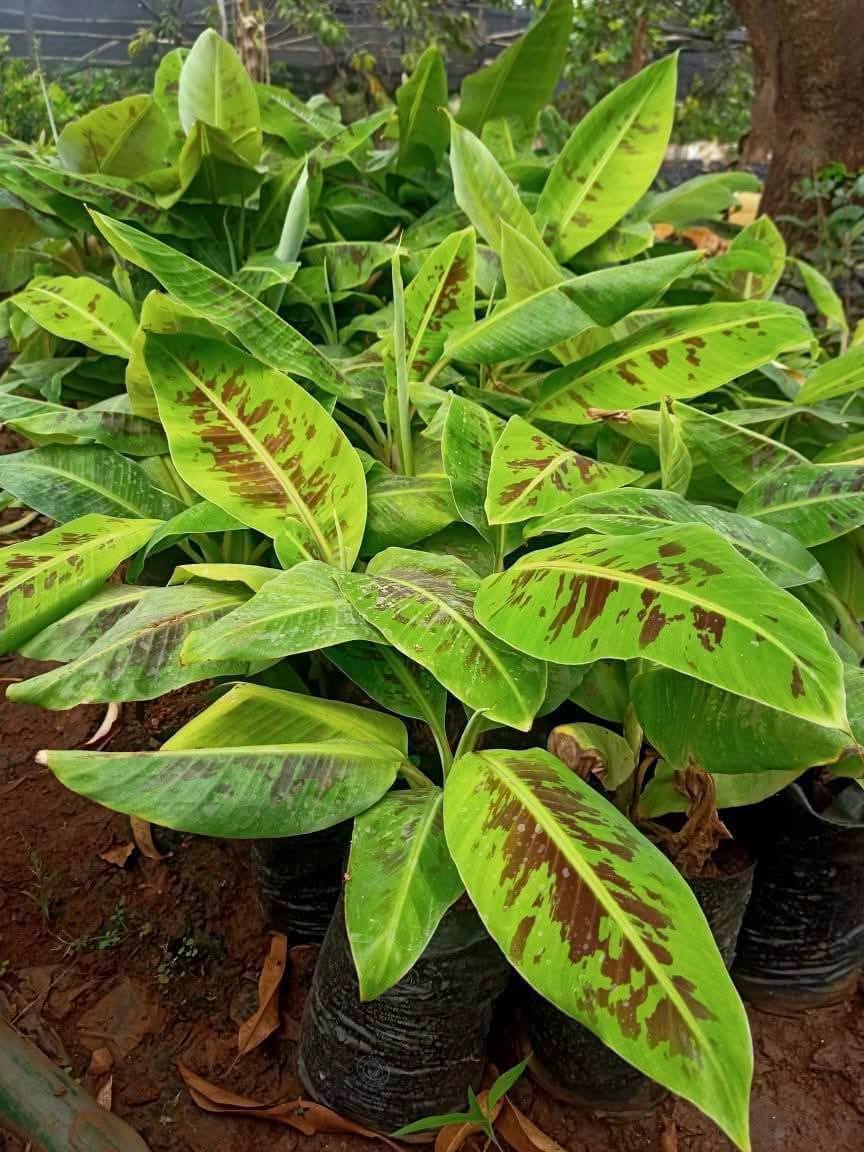

Learn how to choose genuine fruit seedlings in Kenya with this complete farmer’s guide. Avoid counterfeit seedlings and build a profitable orchard with KEPHIS-certified trees from Fruit Africa.
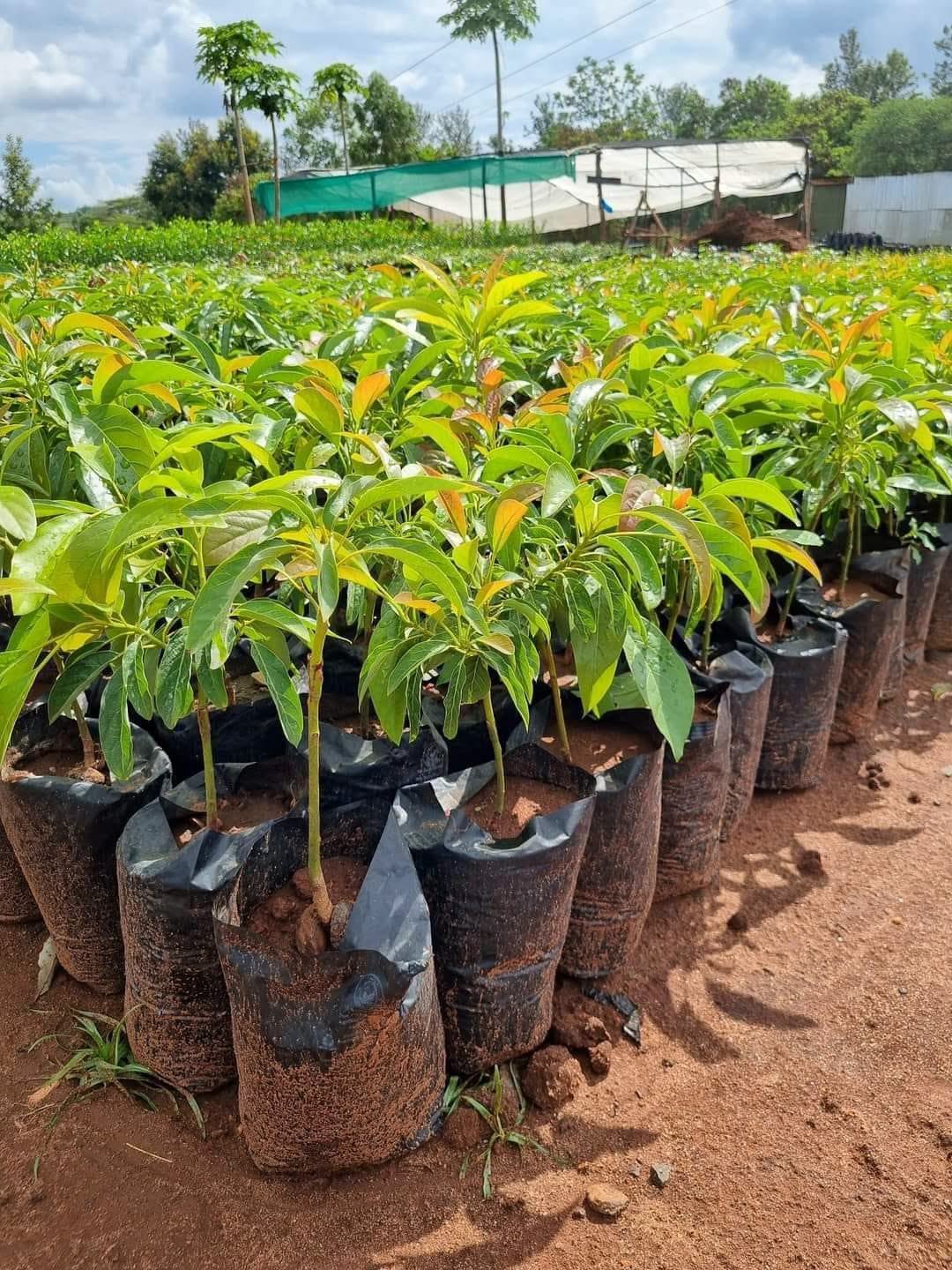
Genuine Grafted Hass Avocado Fruit Seedlings at Fruit Africa Nursery in Muranga, Kenya
How to Choose Genuine Fruit Seedlings in Kenya: A Complete Farmer’s Guide
A fruit tree is one of the most important investments a farmer can make. Unlike maize or beans that are harvested and replanted every season, a fruit tree remains on your land for decades, producing income year after year. Choose correctly, and you build generational wealth. Choose poorly, and you lose years of potential income, wasted labor, and the heartbreak of watching an orchard fail.
The problem is that counterfeit seedlings are everywhere. Across the country, unscrupulous traders are selling uncertified, mislabeled, and diseased seedlings to unsuspecting farmers. These fake seedlings often bear fruit that is small, tasteless, or completely different from what was promised. In some cases, they carry diseases that can spread to other trees, devastating entire orchards.
So how do you protect yourself? How do you walk into a nursery and know, with confidence, that you are buying genuine, healthy seedlings that will grow into productive trees? This guide gives you the complete answer. At Fruit Africa, we believe that informed farmers are successful farmers, and we are committed to helping you make the right choices for your farm. Our nurseries in Muranga, Nairobi, and Embu are dedicated to providing only the highest quality certified seedlings. For more information, contact us at +254714 994444 or sales@fruitafrica.org.
Why Seedling Quality Determines Your Orchard’s Future
A fruit tree is expected to remain productive for decades. Unlike annual crops that can be replanted every season, mistakes made during orchard establishment are much more difficult and expensive to correct. What you plant today will determine your income for the next twenty, thirty, or even forty years. This is not a decision to be made lightly or hurriedly.
Healthy seedlings establish quickly after transplanting because they already possess strong root systems and vigorous growth. They adapt more easily to changing weather conditions, recover faster from transplant shock, and develop into uniform trees that flower and mature at relatively similar times. Uniform orchards are easier to manage, simplify harvesting, and often produce more consistent yields. This uniformity translates directly into higher profits and lower management costs.
Poor-quality seedlings, on the other hand, may survive after planting but continue struggling throughout their lifespan. They often grow slowly, develop structural weaknesses, become more vulnerable to pests and diseases, and delay the farmer’s return on investment. A tree that takes an extra two years to start fruiting is a tree that has cost you two years of potential income. Over the life of an orchard, these delays can amount to millions of shillings in lost revenue.
The economic difference is staggering. Farmers who plant certified seeds can expect significantly higher yields. One nursery operator saw germination rates jump from 65 per cent to 90 per cent after getting proper certification. The same principle applies to fruit tree seedlings. Certified, healthy seedlings establish faster and produce more fruit over their lifetime. This is why it pays to invest in quality from the very beginning.
Understanding the Threat: Counterfeit Seedlings in Kenya
The problem of counterfeit seedlings in Kenya is widespread and growing. Unscrupulous traders are taking advantage of the booming demand for fruit trees to sell substandard products to farmers. These counterfeit seedlings come in various forms, each with its own set of consequences.
The most common type of counterfeit seedling is the mislabeled tree. A trader may sell a seedling as a Hass avocado when it is actually a different variety. The farmer plants the tree, waits several years for it to fruit, and then discovers that the fruit is the wrong size, color, or taste. By then, it is too late to do anything about it. The years of waiting are lost, and the farmer must decide whether to uproot the tree and start again or accept the lower value of the wrong variety.
Another type of counterfeit seedling is the uncertified tree. These seedlings are often grown from seeds collected from roadside trees or unknown sources. They have not been inspected for diseases or genetic purity. They may be infected with viruses or bacteria that can spread to other trees in the orchard. They may also produce fruit that is of poor quality, making it ineligible for the export market. The farmer loses not only the investment in the tree but also the potential income from the fruit.
Then there are the diseased seedlings. Some traders knowingly sell seedlings that are infected with pests or diseases. These seedlings often appear healthy at first, but as they grow, the symptoms of the disease become apparent. By then, the disease may have spread to other trees, causing widespread damage. In some cases, the entire orchard must be destroyed to prevent the disease from spreading further.
The consequences of counterfeit seedlings are devastating. Farmers lose money, time, and hope. Families that invested their savings in an orchard are left with nothing. Entire communities that depended on fruit farming for their livelihoods are plunged into poverty. This is why it is so important to learn how to identify genuine seedlings.
How to Identify Genuine Seedlings
Identifying genuine seedlings is a skill that every farmer must learn. With practice, you can walk into a nursery and quickly assess the quality of the seedlings on offer. Here are the key factors to consider.
KEPHIS Certification
The Kenya Plant Health Inspectorate Service (KEPHIS) is the government agency responsible for ensuring the quality of agricultural inputs in Kenya. Their certification process is rigorous and comprehensive. Every batch of seedlings is inspected to ensure that it meets the highest standards of health and genetic purity. This includes testing for pests, diseases, and genetic variation. Only seedlings that pass these tests are granted KEPHIS certification.
When you see a KEPHIS certification tag on a seedling, you can be confident that the tree is true-to-type, disease-free, and genetically pure. This certification is your guarantee that you are getting exactly what you paid for. Do not buy seedlings that do not have this certification, no matter how cheap they are.
KEPHIS also maintains a list of registered nursery operators. Before buying seedlings, check whether the nursery is registered with KEPHIS. Registered nurseries are inspected regularly to ensure that they maintain high standards of quality. Buying from a registered nursery significantly reduces the risk of buying counterfeit or diseased seedlings.
Visual Inspection
A visual inspection is your first line of defense against counterfeit seedlings. Take the time to carefully examine each seedling before making a purchase.
Start with the leaves. Healthy leaves should be green, glossy, and free from spots, discoloration, or holes. Yellowing leaves may indicate nutrient deficiencies or disease. Spots on the leaves could be a sign of fungal infection. Holes are often caused by insect pests. If the leaves look unhealthy, the seedling is probably not worth buying.
Examine the stem. The stem should be straight, sturdy, and free from cracks, wounds, or swelling. A crooked stem may indicate poor growth conditions. Wounds or cracks can be entry points for diseases. Swellings on the stem may be signs of bacterial infection or pest infestation.
Check the root system. If possible, gently remove the seedling from its container to examine the roots. Healthy roots should be white or light brown, firm, and well-developed. They should fill the container without being tightly bound. Brown, mushy, or black roots are signs of root rot or other diseases. Roots that are tightly bound in a circle indicate that the seedling has been in the container too long and may be root-bound.
The Graft Union
For grafted trees, the graft union is a critical area to inspect. The graft union is the point where the scion (the upper part of the tree) is joined to the rootstock (the lower part). A successful graft will have a smooth, well-healed union with no signs of rot, cracking, or swelling.
The scion should be visibly different from the rootstock, often with a slight swelling at the junction. This swelling is a sign of successful grafting. If there is no visible swelling, the graft may not have taken, and the tree may be nothing more than a rootstock.
The scion should also be vigorous and healthy, with well-developed buds. Weak or spindly scions may never produce the desired fruit quality. Look for at least three to four well-developed branches or buds on the scion. This ensures that the tree will have a strong, balanced canopy.
The Rootstock
The rootstock is the foundation of the tree, and its quality is just as important as the scion. A good rootstock should be vigorous, disease-resistant, and well-adapted to local soil conditions. It should also be compatible with the scion, ensuring a strong and lasting union.
When inspecting the rootstock, look for signs of disease or damage. The bark should be smooth and intact, with no cracks or lesions. The roots should be well-developed and free from rot. A healthy rootstock provides the tree with the nutrients and water it needs to thrive.
Age and Size
The age and size of the seedling are also important considerations. Generally, younger seedlings establish faster and adapt more easily to new environments than older seedlings. Seedlings that are too large may have outgrown their containers, leading to root-bound conditions that stunt growth.
The ideal size for a fruit tree seedling varies depending on the species, but generally, seedlings that are 30 to 60 centimeters tall are suitable for planting. Seedlings that are too small may be too fragile to survive transplanting. Seedlings that are too large may have already developed structural problems.
Nursery Reputation
The reputation of the nursery is one of the most reliable indicators of seedling quality. A nursery that has been in business for many years and has a track record of satisfied customers is likely to sell high-quality seedlings. Look for nurseries that are registered with KEPHIS and have positive reviews from other farmers.
Word of mouth is also a valuable tool. Talk to other farmers in your area and ask them where they buy their seedlings. If a nursery has a good reputation among local farmers, it is likely to be a reliable source.
Common Fruit Varieties in Kenya and How to Choose Them
Kenya is home to a wide variety of fruit trees, each with its own unique characteristics and requirements. Here are some of the most popular fruit varieties and what to look for when buying seedlings.
Avocados
The Hass avocado is the most popular variety for export, commanding premium prices in international markets. Other varieties include Fuerte, Puebla, and Pinkerton. When buying avocado seedlings, look for KEPHIS certification to ensure that you are getting the true variety. The graft union should be well-healed and the scion vigorous. Hass avocados are typically grafted onto rootstocks that are resistant to root rot, a common disease in Kenyan soils.
Mangoes
Kenya is famous for its mangoes, with popular varieties including Ngowe, Apple, Kent, and Tommy Atkins. When buying mango seedlings, look for vigorous growth and a well-developed root system. The graft union should be smooth and free from swelling. Mango seedlings should be planted in areas with good drainage and plenty of sunlight.
Citrus
Citrus trees, including oranges, lemons, and limes, are widely grown in Kenya. Popular varieties include Washington Navel, Valencia, and Pineapple oranges. When buying citrus seedlings, look for KEPHIS certification to ensure that the trees are free from citrus greening disease, a serious threat to citrus production. The seedlings should be vigorous and free from pests and diseases.
Passion Fruit
Passion fruit is a fast-growing vine that produces fruit within a year of planting. Popular varieties include the purple passion fruit and the yellow passion fruit. When buying passion fruit seedlings, look for vigorous growth and a well-developed root system. The seedlings should be free from pests and diseases, particularly the passion fruit woodiness virus.
Macadamia
Macadamia nuts are a high-value crop that is increasingly popular in Kenya. When buying macadamia seedlings, look for KEPHIS certification to ensure that you are getting the true variety. The graft union should be well-healed and the scion vigorous. Macadamia trees require well-drained soils and plenty of water.
Planting and Aftercare for Fruit Trees
Choosing genuine seedlings is only the first step. To ensure that your fruit trees thrive, you must also pay attention to planting and aftercare. Proper planting techniques and ongoing care are essential for the long-term health and productivity of your orchard.
Soil Preparation
Before planting, prepare the soil thoroughly. Remove all weeds and debris from the planting area. Test the soil to determine its pH and nutrient levels. Most fruit trees prefer slightly acidic soil with a pH between 5.5 and 6.5. If the soil is too acidic or too alkaline, add amendments to adjust the pH.
Dig holes that are at least twice as wide and deep as the root ball of the seedling. This gives the roots room to spread and establish themselves. Mix the topsoil with well-decomposed manure or compost to provide essential nutrients.
Planting
Carefully remove the seedling from its container, taking care not to damage the roots. Place the seedling in the hole, ensuring that the graft union remains above ground. Burying the graft union can lead to rot and disease. Backfill the hole with the enriched soil mixture and firm it gently around the roots. Water the seedling thoroughly to settle the soil and eliminate air pockets.
Mulching
Apply a layer of organic mulch around the base of the tree, being careful to keep it away from the trunk. Mulch helps to retain soil moisture, suppress weeds, and regulate soil temperature. As the mulch decomposes, it also adds nutrients to the soil.
Watering
Fruit trees require consistent moisture, especially during the first two years after planting. Drip irrigation is recommended as it delivers water directly to the root zone, minimizing evaporation and water waste. During the dry season, trees should be watered at least twice a week.
Fertilizing
Fruit trees have specific nutrient requirements. Regular application of balanced fertilizers, both organic and inorganic, is essential for maintaining soil health and maximizing yields. The type and amount of fertilizer will vary depending on the tree species and the stage of growth. Consult with an agronomist for specific recommendations.
Pruning
Prune the tree in the first year to encourage a strong, open canopy. Remove any branches that are crossing or growing inward. This improves air circulation and light penetration, which can reduce the risk of disease and promote fruit development. Subsequent pruning should focus on removing dead or diseased wood and shaping the canopy.
Pest and Disease Management
Fruit trees are susceptible to a range of pests and diseases. Common pests include aphids, thrips, fruit flies, and scale insects. Common diseases include fungal infections, bacterial infections, and viral diseases. Regular monitoring and early intervention are essential for minimizing damage. Integrated pest management strategies, which combine biological, cultural, and chemical controls, are the most effective approach.
Harvesting
Harvesting is the culmination of all your hard work. The timing of the harvest will vary depending on the fruit species and variety. Most fruits should be harvested when they are fully mature but still firm. Overripe fruits may be damaged during transport or storage. Handle the fruit carefully to avoid bruising, and store it in a cool, dry place until it is ready for sale or consumption.
Comparison of Genuine vs Counterfeit Seedlings
The following table summarizes the key differences between genuine and counterfeit seedlings. Use this as a quick reference guide when making your purchasing decisions.
| Feature | Genuine Seedling | Counterfeit Seedling |
|---|---|---|
| KEPHIS certification | Present | Absent |
| Source | Registered nursery | Unknown source |
| Leaves | Green, glossy, healthy | Yellowing, spotted, damaged |
| Stem | Straight, sturdy, intact | Crooked, cracked, swollen |
| Roots | White or light brown, firm | Brown, mushy, or black |
| Graft union | Smooth, well-healed | Swollen, cracked, rotted |
| Variety | True-to-type | Mislabeled |
| Disease resistance | High | Low |
| Fruit quality | Export-grade | Poor |
| Long-term reliability | Reliable for decades | Unpredictable |
| Economic viability | High | Low |
As the table shows, the differences between genuine and counterfeit seedlings are clear. A farmer who invests in genuine seedlings is investing in certainty, productivity, and profitability. A farmer who buys counterfeit seedlings is gambling with their future.
Frequently Asked Questions
What is KEPHIS certification and why does it matter?
KEPHIS certification is a mark of quality from the Kenya Plant Health Inspectorate Service. It guarantees that the seedlings are true-to-type, disease-free, and meet the strict standards required for export. Buying KEPHIS-certified seedlings protects your investment and ensures that you get the variety you paid for.
How can I identify a counterfeit seedling?
Look for KEPHIS certification tags, inspect the leaves for health, check the stem for sturdiness, examine the roots for rot, and verify the graft union for proper healing. If any of these elements are missing or damaged, the seedling may be counterfeit.
What are the risks of buying uncertified seedlings?
Uncertified seedlings may be mislabeled, diseased, or of poor quality. They may take longer to fruit, produce lower yields, or be ineligible for the export market. They may also carry diseases that can spread to other trees in your orchard.
Can I plant fruit trees from seeds?
While it is possible to grow fruit trees from seeds, the resulting trees may not be true-to-type. Seed-grown trees often produce fruit that is different from the parent tree in size, quality, and flavor. They also take longer to fruit. Grafted seedlings are the preferred choice for commercial fruit farming.
What is the difference between a scion and a rootstock?
The scion is the upper part of the grafted tree, which determines the fruit variety. The rootstock is the lower part, which determines the tree’s root system and disease resistance. A successful graft combines the desirable fruiting characteristics of the scion with the hardiness of the rootstock.
How long does it take for a fruit tree to bear fruit?
The time to fruiting depends on the species and variety. Grafted trees generally fruit earlier than seed-grown trees. For example, grafted Hass avocados can fruit in 2.5 to 3 years, while seed-grown avocados may take up to 10 years.
What should I look for when inspecting a nursery?
Look for KEPHIS registration, healthy seedlings, knowledgeable staff, and positive reviews from other farmers. A reputable nursery should be transparent about its sources and practices.
Can I recover money spent on counterfeit seedlings?
It can be difficult to recover money spent on counterfeit seedlings, especially if the seller is unregistered. Always buy from reputable nurseries and keep receipts as proof of purchase. If you suspect you have bought counterfeit seedlings, report the seller to KEPHIS.
What is the best time to plant fruit trees in Kenya?
The best time to plant fruit trees is at the beginning of the rainy season, when there is adequate moisture for establishment. In most parts of Kenya, the long rains from March to May are the ideal planting season.
Do fruit trees require cross-pollination?
Some fruit trees are self-pollinating, while others require cross-pollination with another variety. Check the requirements for your specific species and variety before planting.
What is the economic potential of fruit farming in Kenya?
Fruit farming is highly profitable, with export markets offering premium prices. A well-managed orchard can generate millions of shillings in annual revenue, making it a pathway to wealth creation and food security.
How can I get more information about genuine seedlings?
Contact Fruit Africa at +254714 994444 or sales@fruitafrica.org. Our agronomists are available to answer your questions and provide guidance on selecting the right seedlings for your farm.
The Fruit Africa Promise
At Fruit Africa, we understand the challenges that farmers face in finding genuine, high-quality seedlings. That is why we are committed to providing only KEPHIS-certified seedlings that are true-to-type, disease-free, and ready to plant. Our nurseries in Muranga, Nairobi, and Embu are staffed by experienced agronomists who are dedicated to helping you succeed.
We believe that informed farmers are successful farmers. That is why we provide comprehensive agronomic support, including guidance on planting, pruning, fertilization, pest management, and harvesting. We are with you every step of the way, from seedling selection to orchard management.
We also believe that access to quality seedlings should not be a privilege. That is why we have positioned our nurseries strategically across Kenya, making it easy for farmers to access our products and expertise. Whether you are in Muranga, Nairobi, Embu, or beyond, Fruit Africa is your partner in agribusiness.
Conclusion
Choosing genuine fruit seedlings is the most important decision you will make as a fruit farmer. The quality of your seedlings determines the health, productivity, and profitability of your orchard for decades to come. By following the guidelines in this guide, you can protect yourself from counterfeit seedlings and build a successful, profitable orchard.
Remember to look for KEPHIS certification, inspect the seedlings carefully, and buy from reputable nurseries. Invest in quality from the very beginning, and you will reap the rewards for years to come.
At Fruit Africa, we are committed to helping you succeed. Our certified grafted Hass avocado seedlings and other fruit varieties are available at our nurseries in Muranga, Nairobi, and Embu. We also offer nationwide delivery and comprehensive agronomic support.
Take the first step towards a prosperous future. Contact us today to place your order or schedule a consultation.
Call or WhatsApp: +254714 994444
Email: sales@fruitafrica.org
Visit our nurseries in Muranga, Nairobi, and Embu.
Secure your future with Fruit Africa, where quality meets excellence.