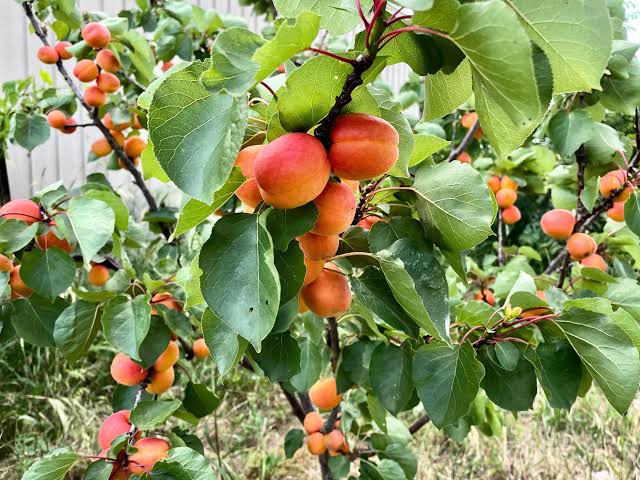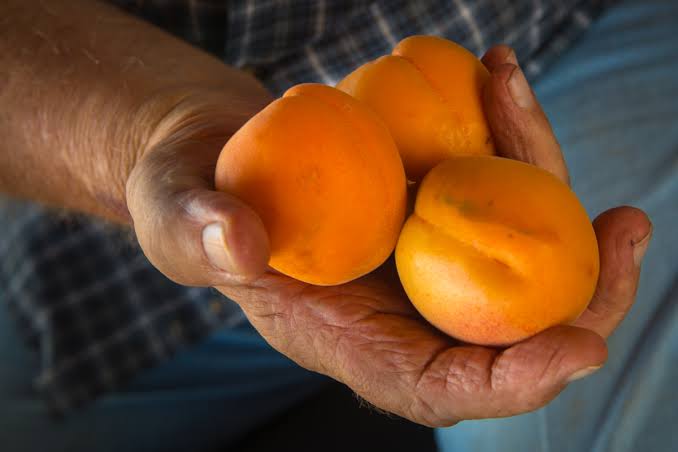
Discover the best fruit seedlings to plant in Kenya and build a profitable orchard. From Hass avocado to tree tomato, explore 15 high-value fruit varieties with strong market demand.
Best Fruit Seedlings to Plant in Kenya: 15 Profitable Fruit Varieties
Fruit farming in Kenya has become one of the most rewarding agribusiness opportunities for farmers today. As traditional cash crops like tea and coffee bring in less money and diseases continue to attack staple crops like maize and wheat, more farmers are switching to fruits to boost their earnings. Across the country, this shift is gaining speed as market demand for fruits grows and farmers look for steady income sources that do not disappear with one bad season.
Whether you have a small plot or a large commercial farm, picking the right fruit varieties can turn your farming venture into a thriving business. The fruit sector in Kenya offers real chances for wealth creation, food security, and employment. With good knowledge and quality seedlings, any farmer can tap into this growing market and build an orchard that keeps producing for decades.
At Fruit Africa, we know that choosing the right fruit seedlings is where it all begins. Our nurseries in Muranga, Nairobi, and Embu provide certified fruit seedlings to farmers across Kenya. For more information, call or WhatsApp us at +254714 994444 or email sales@fruitafrica.org.
Why Fruit Farming is a Smart Choice for Kenyan Farmers
Fruit farming beats traditional annual crops in many ways. Unlike maize or beans that you have to plant again every season, fruit trees stay on your land for years, producing income year after year. This long-term nature makes fruit farming a steady source of household income and a way to build wealth that can pass down through generations.
A growing middle class that cares about health is pushing up demand for fruits. Soft drink companies also prefer to buy from local farmers instead of importing expensive fruit pulp. Export markets in Europe and the Middle East are showing more interest in Kenyan fruits, offering farmers the chance to get better prices.
The numbers speak for themselves. A well-run orchard can bring in millions of shillings every year. Take the Hass avocado, for example. A single mature tree can give you over 250 kilograms of fruit each year. At current farm-gate prices, that means good money from just one tree. An acre with 160 trees can earn over Sh1.5 million every year. These are not just guesses; farmers are making these returns with proper care and quality seedlings.
Fruit farming also helps the environment. Trees protect the soil, keep water cycles in balance, and provide homes for wildlife. They also pull carbon from the air, helping to fight climate change. When you plant fruit trees, you are not just improving your own life but also taking care of the land for future generations.
Fruit farming creates jobs too. Orchards need people for planting, pruning, pest control, harvesting, and handling the fruit after picking. This work supports local communities and keeps money flowing in rural areas. Processing and selling fruits also open doors for adding value, which makes the sector even more important for the economy.
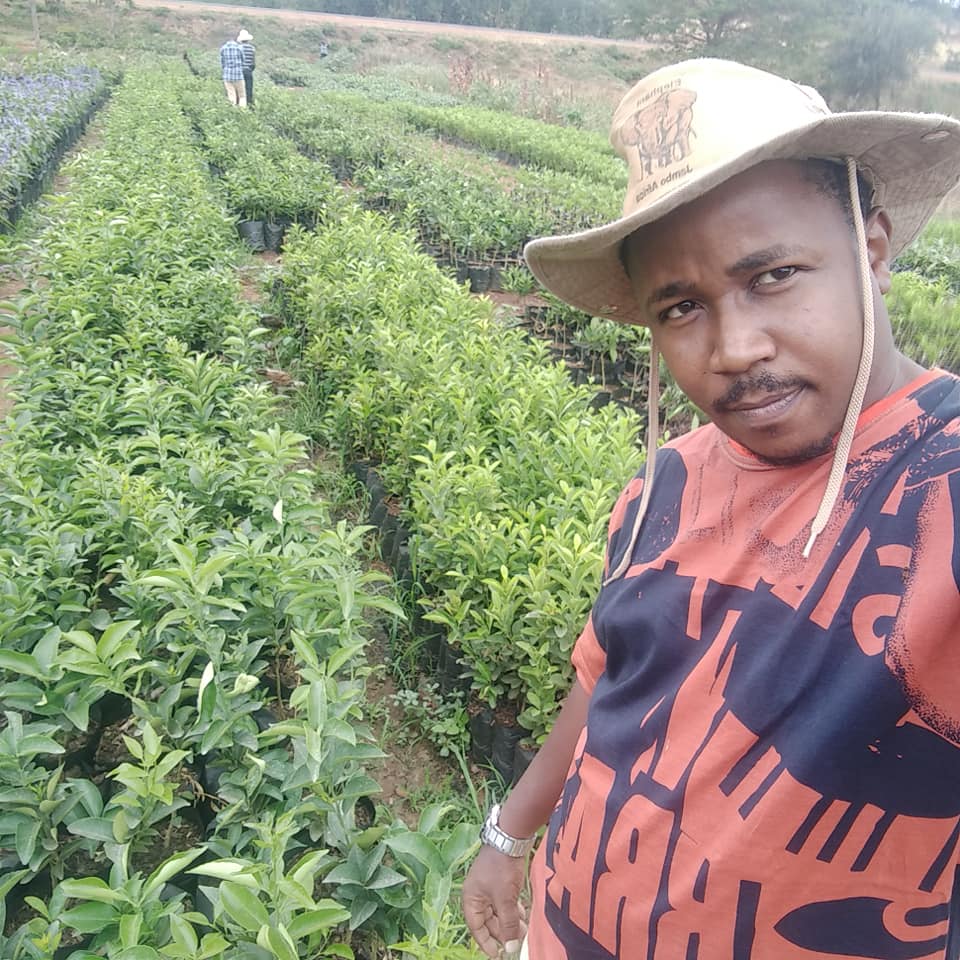
What to Think About Before Choosing Fruit Varieties
Before you pick which fruit varieties to plant, take time to think about what will work best for you. Choosing the right variety is about more than just going for the most popular or profitable option. You need to look at your land, your goals, and the market.
Climate and Altitude
Different fruits grow well in different climates. Some fruits like cool, high places, while others do best in hot, low areas. Make sure you pick varieties that match your location. This will save you from disappointment later on.
Avocados, for example, do well in areas between 1,200 and 2,200 metres above sea level. Apples do well in high altitudes, from 1,800 to 2,800 metres, where cold temperatures help break bud dormancy. Dragon fruit grows in dry, tropical climates with average temperatures between 21 and 30 degrees Celsius and annual rainfall of 500 to 1,500 millimetres. Kiwi and tree tomato prefer subtropical conditions with moderate temperatures.
Soil Type
Soil is another key factor. Most fruit trees like well-drained soil that is slightly acidic, with a pH between 5.5 and 6.5. If your soil is too sandy, too clayey, or too alkaline, you may need to add organic matter or other amendments to improve it. Testing your soil before planting will tell you what you need to add.
Blueberries are a special case. They demand highly acidic soils with a pH range of 4.5 to 5.5. Farmyard manure should be avoided as it can increase alkalinity. Sulphur can be used to lower soil pH, but this can take six to twelve months depending on climate and soil condition. This is why some farmers prefer growing blueberries in containers where they can easily control pH levels.
Some fruits are more forgiving than others. Jackfruit can grow in tropical and subtropical regions with little care. Dragon fruit, being a desert plant, has very low water demand and can grow in arid and semi-arid areas. Pawpaw grows well in warm to hot climates with well-drained soil.
Water Availability
Water is life for fruit trees. Some varieties need more water than others. Avocados, for instance, need consistent moisture, especially during flowering and fruit development. Grapes need deep watering during fruit development but less water during bud formation and ripening. Blueberries require consistent moisture but should not be overwatered.
If you have access to irrigation, you can grow a wider range of fruits. Drip irrigation is the most efficient way to water fruit trees because it delivers water straight to the roots, cutting down on waste. If you rely on rainfall, choose varieties that match your rainfall patterns.
Dragon fruit is an excellent choice for drier areas as it is drought-tolerant. Grapes can thrive in different climatic conditions so long as there is warm to hot temperatures available for ripening.
Market Demand
Growing fruits that people want to buy is the key to making money. Look at what is selling well in local markets, supermarkets, and export channels. Hass avocados are in high demand for export. Blueberries, classified as superfruits, have insatiable local demand and retail at premium prices of up to Sh2,600 per kilogram. Grapes sell for Sh400 to Sh500 per kilogram in local markets.
Jackfruit demand has grown tremendously, with a mature fruit fetching Sh400 to Sh650 at the farm gate. Plantain bananas are gaining popularity and fetch five times more in the market compared to normal bananas. Tree tomatoes sell for Sh80 to Sh200 per kilo depending on the season.
Think about who you will sell to. If you are targeting the export market, you need to grow varieties that meet international standards. If you are selling locally, you can grow varieties that are popular with Kenyan consumers. Consider talking to buyers before you plant to understand what they need.
Time to First Fruiting
How long are you willing to wait before you start earning money? Some fruits take longer to bear fruit than others. Passion fruit starts producing within a year. Tree tomato can fruit from one year, yielding 60 to 100 kilograms per tree annually. Grapes take about eight months to start fruiting.
Pawpaw takes nine to ten months to produce first fruits after sowing. Avocados take about three years. Apples, depending on management, can give 200 to 300 fruits on the first harvest after three years. Blueberries take at least two years to fruit and reach peak production after more than eight years. Jackfruit starts producing after six years from seed.
If you need quick returns, passion fruit, tree tomato, grapes, and pawpaw are good choices. If you are willing to wait longer for higher returns, avocados and blueberries could work. Many farmers plant a mix of quick and slow fruits to get income while waiting for the slower ones to mature.
Disease Resistance
Some fruit varieties are more resistant to diseases than others. Choosing disease-resistant varieties can save you money on pesticides and reduce the risk of losing your orchard. Ask your nursery operator about which varieties do well in your area.
For avocados, look for rootstocks that resist root rot. Grafted tree tomato varieties like Muthakwa are resistant to nematodes and have a longer lifespan of over six years. The Red Lady F1 pawpaw variety has high resistance to ring spot virus. Dragon fruit is recommended for diabetic and high blood pressure patients due to its properties.
Grapes are prone to diseases like downy mildew, anthracnose, and weevils, which need careful monitoring. Some farmers prefer organic solutions like planting guavas alongside grapes, which helps keep birds from raiding the grapes.
Your Goals
What do you want to achieve with your orchard? Are you looking for a side income, a full-time business, or a retirement investment? Your goals will shape your choices. If you want quick cash, go for fast-fruiting varieties like passion fruit, tree tomato, or grapes. If you are building long-term wealth, high-value varieties like blueberries are worth considering.
Your Budget
How much money can you put into your orchard? The cost of seedlings varies widely. Blueberry seedlings are expensive at Sh2,000 each, making cultivation out of reach for many farmers. Grape seedlings cost about Sh800 each. Tree tomato seedlings are more affordable at Sh80 each.
Also think about the cost of irrigation, fertilizers, and labour. A bigger orchard needs more inputs. Plan your budget carefully to avoid running out of money before you start earning.
The 15 Most Profitable Fruit Varieties in Kenya
Now that you know what to consider, here are fifteen fruit varieties that have proven to be profitable for Kenyan farmers. These fruits have strong demand, good prices, and are well-suited to Kenyan growing conditions.
1. Hass Avocado
The Hass avocado is the king of export fruits in Kenya. It is prized for its creamy texture, rich flavour, and long shelf life. The dark, pebbly skin turns black when the fruit is ripe, making it easy for buyers to know when it is ready.
Hass avocados do well in high-altitude areas with cool to moderate temperatures. They need well-drained soil and consistent moisture. Grafted trees start fruiting in about three years. A mature tree can produce over 250 kilograms of fruit each year. With good management, an acre can earn over Sh1.5 million annually.
The export market for Hass avocados is strong, especially in Europe and the Middle East. Kenya’s production window, when other suppliers are out of season, gives local farmers a pricing advantage. Farmers who grow quality fruit can access premium prices that make the investment worthwhile.
2. Apples
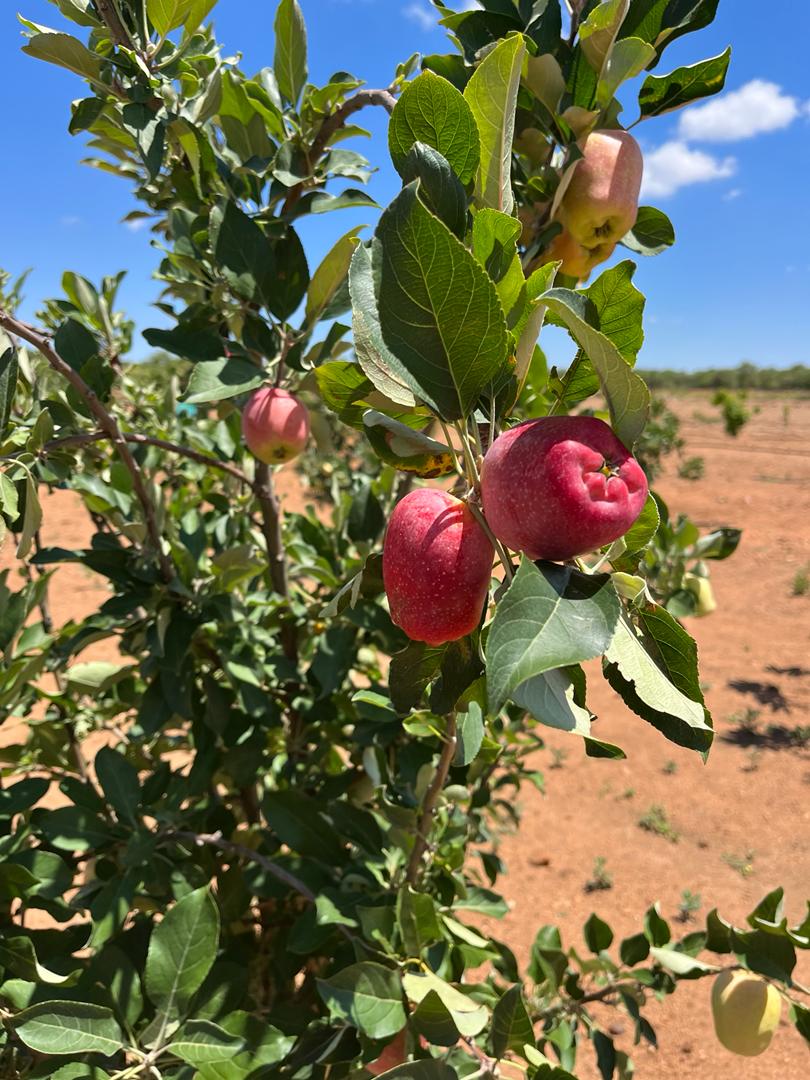
Apples are increasingly being grown in Kenya, with farmers in Nandi, Kiambu, Nyandarua, Nakuru, and Uasin Gishu counties leading the way. The country imports apples from South Africa to meet local demand, with one apple costing between Sh20 and Sh30 in Nairobi.
Grafted apple seedlings developed specifically for Kenyan conditions are now available. Farmers in Muranga County have developed low-water-demanding seedlings by grafting apple scions onto loquat rootstock. The resultant variety can do well in drier areas such as Taita-Taveta and Machakos.
Depending on management practices, a farmer can harvest between 200 and 300 fruits on the first harvest after three years. Subsequent harvests are usually higher because the tree becomes more established. Apples do well in high altitudes of 1,800 to 2,800 metres, where cold temperatures break bud dormancy. Well-drained loam to sandy soils contribute to high yields. The seedlings sell for about Sh350 each.
3. Dragon Fruit
Dragon fruit, mainly cultivated in Vietnam, is being introduced in Kenya as a drought-tolerant crop option. The Kenya Plant Health Inspectorate Service recently unveiled the Kika1 variety, developed by Antony Kinoti at Gravity Farm in Meru County.
The crop grows in dry, tropical climates with average temperatures between 21 and 30 degrees Celsius and annual rainfall of 500 to 1,500 millimetres. In Vietnam, the world’s largest producer, dragon fruit generates about US$1 billion annually in exports.
The fruit is recommended for diabetic and high blood pressure patients due to its properties. It belongs to the family of desert plants, so water demand is very little. Farmers can start with a quarter acre and plant 20 to 50 trees, or 100 if possible, and gradually increase.
4. Grapes
Grapes are a high-value crop that can earn farmers very good returns if well-managed. In Kenya, seedless table grapes are popular, including varieties like Thompson seedless, red globe, and golden cultivars. A well-managed acre can earn Sh1 million to even Sh2 million per harvest, at local prices of Sh400 to Sh500 per kilogram.
Martin Ndirangu, a seedling farmer in Laikipia County’s Ngobit area, nurtures grafted vines that fruit in eight months, saving growing time from seed. He recommends planting 500 to 800 vines per acre, spaced 3 metres apart between plants and 2 to 3 metres between rows. He sells his seedlings for Sh800 each and provides buyers with hands-on training.
Grapes can grow almost anywhere with basic composting. Deep watering during grape development is recommended, but less water during bud formation and ripening. Disease management is critical, with grapes prone to downy mildew, anthracnose, and weevils. Some farmers plant guavas alongside grapes to keep birds from raiding the vines.
5. Jackfruit
Once unknown to a majority of Kenyans, jackfruit demand has grown tremendously thanks to roadside sellers in Nakuru, Sagana, and Mombasa. Eric Munene from Chuka harvests up to 3,000 fruits per season, each fetching Sh400 at the farm. In Nakuru, a mature jackfruit sells at an average price of Sh650, with farmers getting Sh300 to Sh400 for each fruit.
The jackfruit is a multiple fruit weighing 4.5 to 50 kilograms. Propagated from seeds, the tree starts producing after six years with each tree yielding 100 to 200 fruits per year. The tree requires little care and apart from periodic fertiliser application, it is self-sustaining.
The fruit grows in tropical, near tropical, and subtropical regions. Farmers in Baringo County are supplying the growing market in Nakuru town. A roadside market between Nakuru’s Sobea and Ngata Bridge regions has excited the attention of enthusiastic travellers.
6. Kiwi
Kiwi farming is gaining traction in Kenya, particularly in Nyeri County. A farming programme is contracting farmers to grow kiwi fruits to increase supply in Kenya and East Africa. The programme supplies contracted farmers with seedlings, trains them, monitors production, and contracts them, providing a ready market.
Kiwi is a relatively new crop in Kenya, and early adopters stand to benefit from the growing demand. For guidance on kiwi farming, farmers can contact the programme coordinators directly.
7. Pawpaw (Red Lady F1)
A new hybrid pawpaw variety called Red Lady F1 is set to revolutionise pawpaw farming in Kenya. The variety has the ability to yield 54 to 120 fruits when trees reach peak production in two years. With an acre holding up to 1,000 trees, a farmer can harvest close to 54,000 fruits in a season and 108,000 fruits in a year over three seasons. At the current market price of Sh30 on the lower side, a farmer can earn Sh3.2 million from this venture.
Red Lady F1 has reddish orange flesh and weighs 400 to 650 grams. This variety produces flowers which have both male and female parts and are capable of self-pollination. Other features include high resistance to ring spot virus, a long production span of up to 10 years, very sweet fruits with uniform size and shape. Unlike most pawpaw varieties that produce twice in a year, Red Lady F1 produces three times per year.
It grows well in well-drained soils with a pH of 5.5 to 7.0. It requires warm to hot climates and an altitude below 2,100 metres above sea level. The variety takes nine to ten months to produce first fruits after sowing.
8. Plantain Banana
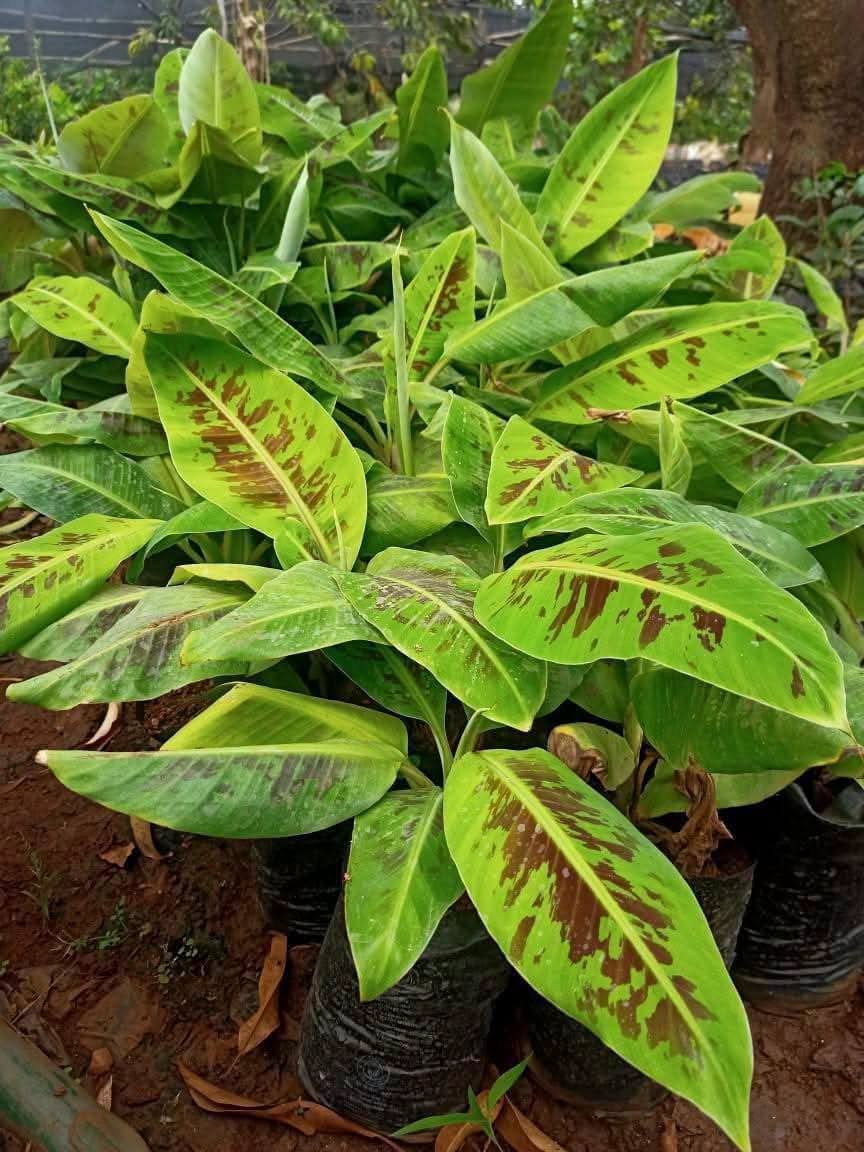
Plantain banana farming is gaining popularity in Murang’a County as farmers ditch normal bananas that fetch less profit. Fredrick Kinyanjui, a farmer in Maragua constituency, has uprooted his normal bananas and opted for plantain variety that fetches up to five times more in the market.
On his two-acre piece of land, Kinyanjui has over 250 stems of plantain bananas which he began with only 84 mother plants in October 2020. When thoroughly irrigated, the bananas are ready to harvest in nine to twelve months.
Plantains sell for Sh300 to Sh450 per kilogram, compared to normal bananas that fetch Sh10 or less. A bunch of plantain can carry up to eight banana pieces. The fruits have a much thicker skin and are easier to manage but give a higher return on investment.
Plantains do well in acidic soil with a pH of 5.5. They are not susceptible to any pests and diseases. Kinyanjui sells suckers at Sh300 each while also offering agronomic support to farmers eager to venture into plantain farming.
9. Tree Tomato (Tamarillo)
Tree tomato, also known as tamarillo, is a fast-growing crop that can provide quick returns for farmers. James Njeru from Nyeri County quit his driving job to venture into tree tomato farming and now earns up to Sh640,000 gross income per month from 800 trees.
The grafted Muthakwa tree tomato variety matures in eight months and has high output of up to 100 kilograms per plant annually, compared with other varieties that yield about 80 kilograms a year and take two years to bear fruits. The variety results from grafting Red Oratia tree tomato with bug weed (Muthakwa), a wild tree that grows in any condition naturally.
Grafting is done because Muthakwa is never affected by nematodes and has a tap-root, making it ideal to get nutrients from the soil. The tree grows taller, stronger, and has many branches, enabling it to carry a big load. It is also drought-resistant due to its tap root system.
Tree tomato prefers subtropical climate and can grow in many parts of Kenya with rainfall between 600 and 4,000 millimetres and annual temperatures between 15 and 25 degrees Celsius. It grows well in light, deep, fertile soils with a pH of 5 to 7.5. At a spacing of 6 feet by 6 feet, an acre can accommodate 1,200 to 1,800 plants.
The current market price for tree tomato fruits is between Sh80 and Sh200 per kilogram. Apart from the local market, processors buy the fruits for export.
10. Purple Passion Fruit
Purple passion fruit is sweeter and more aromatic than the yellow variety. The purple skin is round and the inside is filled with juicy, sweet-tart seeds. It is popular for fresh eating and for making juice.
These vines are fast-growing and start fruiting within a year. They do well in medium altitudes with consistent moisture. The market for purple passion fruit is strong, especially for fresh eating and juice making. Farmers can get good prices, especially during the dry season when supply is lower.
11. Guava
Guava is one of the most underrated yet profitable fruits in Kenya. It is hardy, grows in a wide range of soils, and requires minimal care. The fruit is rich in vitamin C and is popular for fresh eating and juice making.
Guava trees start fruiting within two to three years and can produce up to 100 kilograms of fruit per tree annually. The fruit sells well in local markets, and demand for guava juice is growing. The trees are drought-tolerant once established and can grow in altitudes from sea level to 2,000 metres.
One of the biggest advantages of guava is that it does not require intensive management. It is resistant to most pests and diseases and can thrive in poor soils where other fruits would struggle. Farmers in semi-arid areas have found success with guava, as it provides a reliable source of income even during dry spells.
12. Plums
Plums are gaining popularity in Kenya, especially in high-altitude areas. The fruit is sweet and juicy, with a distinct flavour that appeals to many consumers. Plums are used for fresh eating, jam making, and drying into prunes.
Plum trees start fruiting in about three to four years and can produce 50 to 100 kilograms of fruit per tree annually. They do well in cool highlands with well-drained soils. The local market for plums is growing, with supermarkets and green grocers offering good prices.
The trees are relatively low-maintenance and can produce for 20 to 30 years with proper care. Farmers in areas like Nyandarua and Nandi have reported good returns from plum farming. The fruit is also exported to neighbouring countries, adding to its market potential.
13. Pears
Pears are another highland fruit that offers good returns for farmers. The fruit is sweet, juicy, and popular for fresh eating. Pears are also used in canning and juice making.
Pear trees start fruiting in about three to four years and can produce 50 to 80 kilograms of fruit per tree annually. They do well in cool highlands with well-drained soils. The local market for pears is steady, and demand often exceeds supply.
The trees are hardy and can produce for 30 to 40 years. Farmers in Nyandarua and Kiambu have found success with pear farming. The fruit fetches good prices in local markets, and there is potential for export to neighbouring countries.
14. Custard Apple (Soursop)
Custard apple, also known as soursop, is a tropical fruit that is gaining recognition in Kenya. The fruit has a unique flavour and is used for fresh eating, juice making, and medicinal purposes. It is rich in vitamin C and antioxidants.
The trees start fruiting in about two to three years and can produce 20 to 40 fruits per tree annually, with each fruit weighing up to 2 kilograms. They do well in warm, tropical climates with well-drained soils. The local market for custard apple is growing, with demand coming from health-conscious consumers.
Custard apple trees are relatively drought-tolerant and require minimal care. They can grow in a range of soils and are resistant to most pests and diseases. Farmers in coastal and lowland areas have reported good returns from custard apple farming.
15. Loquat
Loquat is a lesser-known fruit that offers good potential for Kenyan farmers. The fruit is sweet and tangy, with a flavour that resembles a cross between peach and citrus. It is used for fresh eating and jam making.
Loquat trees start fruiting in about two to three years and can produce 30 to 50 kilograms of fruit per tree annually. They do well in cool highlands with well-drained soils. The local market for loquat is small but growing, with demand coming from specialty markets.
Loquat trees are hardy and drought-tolerant once established. They can grow in a range of soils and are resistant to most pests and diseases. Farmers in areas like Muranga and Kiambu have found success with loquat farming.
A Quick Comparison of the 15 Varieties
The table below gives you a quick snapshot of the fifteen varieties, so you can compare them at a glance.
| Fruit Variety | Time to Fruiting | Altitude Range | Market | Profit Potential |
|---|---|---|---|---|
| Hass Avocado | 2.5 to 3 years | 1,200-2,200m | Export, Local | Very High |
| Apples | 3 years | 1,800-2,800m | Local, Supermarkets | High |
| Dragon Fruit | 1 to 2 years | 0-1,500m | Local, Export | High |
| Grapes | 8 months | 1,000-2,000m | Local, Processing | Very High |
| Jackfruit | 6 years | 0-1,500m | Local | Medium to High |
| Kiwi | 2 to 3 years | 1,500-2,200m | Local, Export | High |
| Pawpaw (Red Lady F1) | 9 to 10 months | 0-2,100m | Local, Export | Very High |
| Plantain Banana | 9 to 12 months | 1,000-1,800m | Local | High |
| Tree Tomato | 8 months to 1 year | 1,200-2,000m | Local, Processing | High |
| Purple Passion Fruit | Within 1 year | 1,200-1,800m | Local, Juice | High |
| Guava | 2 to 3 years | 0-2,000m | Local, Juice | Medium to High |
| Plums | 3 to 4 years | 1,500-2,500m | Local | High |
| Pears | 3 to 4 years | 1,500-2,500m | Local | High |
| Custard Apple | 2 to 3 years | 0-1,500m | Local, Medicinal | Medium to High |
| Loquat | 2 to 3 years | 1,200-2,000m | Local, Specialty | Medium |
How to Get the Best Yields from Your Fruit Orchard
Growing fruit trees is not just about planting and waiting. You need to put in the work to get good yields. Here are some tips to help you get the most from your orchard.
Start with Quality Seedlings
The quality of your seedlings determines the success of your orchard. Always buy certified seedlings from reputable nurseries. KEPHIS certification gives you the assurance that you are getting true-to-type, disease-free seedlings. Fruit Africa provides certified seedlings that are ready to plant and backed by expert advice.
Prepare Your Soil Well
Before planting, prepare your soil properly. Remove weeds, test the soil pH, and add organic matter like compost or well-decomposed manure. Good soil preparation gives your trees a strong start and reduces the risk of nutrient deficiencies later on. For acid-loving crops like blueberries, ensure the pH is between 4.5 and 5.5.
Plant at the Right Time
The best time to plant fruit trees is at the beginning of the rainy season. This gives the trees enough moisture to establish their roots. In most parts of Kenya, the long rains from March to May are ideal. If you have irrigation, you can plant at other times as well.
Water Consistently
Fruit trees need consistent moisture, especially in the first two years. Drip irrigation is the best way to water because it delivers water straight to the roots. If you rely on rainfall, make sure your trees get enough water during the dry season. Blueberries require at least three litres of water per plant daily.
Feed Your Trees
Fruit trees need nutrients to grow and produce. Apply balanced fertilisers regularly, following recommendations based on soil tests. Organic options like compost and manure are also good for long-term soil health. Do not over-fertilise, as this can harm your trees.
Prune Regularly
Pruning helps shape the tree, remove dead wood, and improve air circulation. A well-pruned tree produces better quality fruit and is less likely to get diseases. Prune in the first year to establish a strong canopy and continue pruning as the tree grows.
Control Pests and Diseases
Monitor your orchard regularly for signs of pests and diseases. Catching problems early makes them easier to control. Use integrated pest management that combines biological, cultural, and chemical methods. This approach is effective and safer for the environment.
Harvest at the Right Time
Harvesting at the right time is important for fruit quality. Pick fruits when they are mature but still firm. Overripe fruits do not store well and may not sell for good prices. Handle fruits carefully to avoid bruising and store them in cool, dry places.
Frequently Asked Questions
Which fruit is most profitable in Kenya?
Hass avocado, blueberries, and grapes are among the most profitable fruits in Kenya, thanks to strong demand and high prices.
How long does it take for fruit trees to bear fruit?
It depends on the variety. Passion fruit, tree tomato, and grapes take less than a year. Avocados take about three years. Jackfruit takes the longest at six years.
Can I grow fruits in dry areas?
Yes, some fruits like dragon fruit and grapes are drought-tolerant. Grapes can thrive in different climatic conditions so long as there is warm to hot temperatures available.
What is the best fruit for beginners?
Passion fruit and tree tomato are good for beginners because they fruit quickly and do not need a lot of space. Plantain bananas are also easy to manage and give good returns.
How many trees can I plant per acre?
It depends on the spacing. For tree tomatoes, you can plant 1,200 to 1,800 plants per acre. For grapes, plant 500 to 800 vines per acre. For pawpaw, plant about 1,000 trees per acre.
Do I need to buy KEPHIS-certified seedlings?
Yes, KEPHIS-certified seedlings are guaranteed to be true-to-type and disease-free, which protects your investment.
Can I grow different fruits together?
Yes, mixed orchards can work well, but you need to make sure the different varieties have similar growing requirements.
What is the lifespan of a fruit tree?
Most fruit trees can live and produce for 20 to 40 years with proper care. Blueberries can produce for up to 20 years, while avocados and jackfruit can produce for 30 to 40 years.
The Fruit Africa Promise
At Fruit Africa, we know that your success depends on the quality of your seedlings. That is why we provide only KEPHIS-certified seedlings that are true-to-type, disease-free, and ready to plant. Our nurseries in Muranga, Nairobi, and Embu are staffed by experienced agronomists who are committed to helping you succeed.
We do not just sell seedlings; we partner with you for the long haul. Our team provides ongoing agronomic support, from planting advice to pest management and harvesting guidance. We want to see your orchard thrive and your business grow.
We also believe that quality seedlings should be accessible to all farmers. That is why we have set up nurseries in three key locations, making it easy for farmers to get our products and advice. Whether you are in Muranga, Nairobi, Embu, or anywhere else in Kenya, Fruit Africa is your partner in agribusiness.
Take the First Step Today
Fruit farming is one of the best investments you can make in your future. With the right varieties and quality seedlings, you can build an orchard that provides income for decades. The fifteen varieties in this guide are proven to be profitable in Kenya, and they are all available from Fruit Africa.
Do not wait any longer. Start planning your orchard today. Visit our nurseries in Muranga, Nairobi, or Embu to see our seedlings and talk to our experts. Or contact us by phone or email to place your order. We deliver nationwide and provide the support you need to succeed.
Call or WhatsApp: +254714 994444
Email: sales@fruitafrica.org
Visit our nurseries in Muranga, Nairobi, and Embu.
Secure your future with Fruit Africa, where quality meets excellence.