
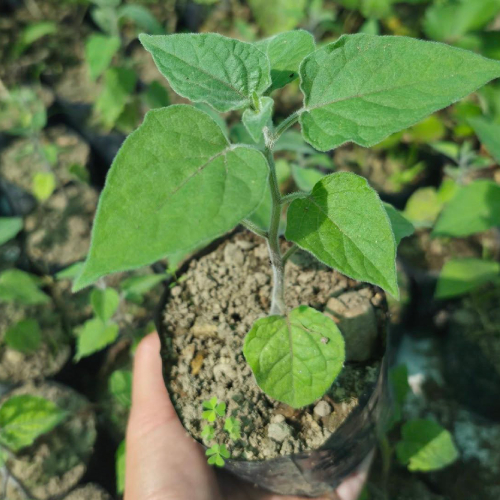
Description
Cape Gooseberry Seedlings in Kenya: Price, Varieties, Planting and Profit
Looking for cape gooseberry seedlings in Kenya? This fruit is also known as goldenberry or ground cherry. It is becoming popular with Kenyan farmers because it grows fast and gives good money. The fruit is small, round, and yellow-orange when ripe. It has a sweet-tart taste that people love. Farmers who want a quick return on their investment are looking at this fruit.
Fruit Africa Veriplant is a trusted source of high-quality cape gooseberry seedlings in Kenya. With locations in Murang’a, Nairobi, and Embu, the nursery serves farmers across the country. They offer KEPHIS-certified seedlings that are well-hardened and ready for transplanting. Contact Fruit Africa Veriplant at +254714994444 or sales@fruitafrica.org for genuine, high-quality seedlings.
At Fruit Africa Veriplant, our cape gooseberry seedlings are priced at Ksh150 each. This price reflects the superior quality of our seedlings and the extensive care we put into producing each plant. We understand that farmers invest money into their farms, and we want to give them seedlings that will reward them with high yields and quality fruit for many seasons.
What Are Cape Gooseberries?
Cape gooseberry is a small shrub that belongs to the Solanaceae family. It is related to tomatoes, peppers, and eggplants. The plant produces small, round fruits that are enclosed in a papery husk. The husk looks like a lantern. When the fruit is ripe, the husk turns brown and falls off. The fruit inside is yellow-orange and shiny.
The taste is sweet and tart. Some people say it tastes like a mix between pineapple, mango, and tomato. The fruit has small seeds inside that are edible. You can eat them fresh or use them in jams, pies, and salads.
Cape gooseberry plants are fast-growing shrubs. They grow between 1 and 2 meters tall. They produce fruit within 4 to 6 months after planting. This makes them one of the fastest fruit crops to start producing. Farmers can get quick returns on their investment.
The plants have a productive lifespan of 2 to 3 years. After that, the yields start to drop. Farmers usually replant after 3 years to keep production high.
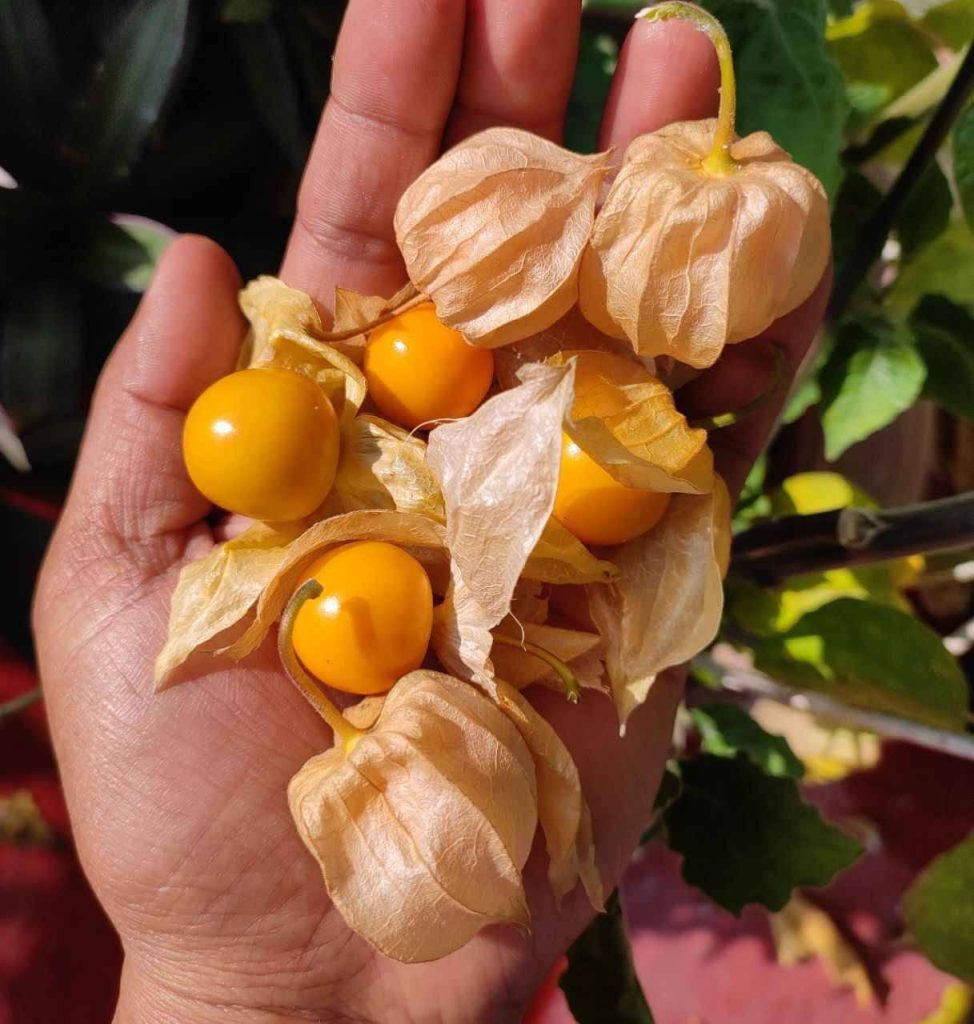
Holding Cape Gooseberry Fruits by hand
Cape Gooseberry Seedlings in Kenya
Cape gooseberry seedlings in Kenya are becoming more common. Farmers are starting to grow this fruit and sell it. The demand for cape gooseberry seedlings in Kenya has grown as more people realize that this fruit can grow well in our tropical and subtropical conditions.
When buying cape gooseberry seedlings in Kenya, always look for KEPHIS certification. This ensures the seedlings are clean and free from diseases. Also check that the seedlings are well-rooted and hardened before transplanting. These factors determine the survival rate and eventual productivity of your farm.
Fruit Africa Veriplant offers some of the best cape gooseberry seedlings in Kenya. Our seedlings are propagated from elite mother plants, giving them superior genetics. This means you get plants that are productive, disease-resistant, and adapted to local conditions.
The seedlings we offer are grown in sterile conditions. They are free from pests and diseases. They are also uniform, which means all your plants will grow at the same rate and produce at the same time. This is important for commercial farming because it makes management easier and harvesting more predictable.
Cape Gooseberry Seedlings Price in Kenya
The price of cape gooseberry seedlings in Kenya varies depending on the nursery and quality of the seedlings. At Fruit Africa Veriplant, our cape gooseberry seedlings are priced at Ksh150 each. This is the current cape gooseberry seedlings price in Kenya for premium, KEPHIS-certified planting material.
| Item | Details |
|---|---|
| Crop | Cape Gooseberry |
| Seedling price | Ksh 150 |
| Available varieties | Standard Cape Gooseberry, Large Fruit Varieties |
| Suitable areas | Central, Rift Valley, Eastern, Coastal |
| Soil pH | 5.5 to 7.0 |
| Recommended spacing | 1m x 1.5m |
| Population per acre | 2,500 plants |
| Irrigation | Recommended during dry periods |
| First production | 4 to 6 months after planting |
When comparing cape gooseberry seedlings price in Kenya, farmers should consider the quality of the seedlings. Cheaper seedlings may not be certified or may have poor genetics. This can lead to lower yields and more disease problems. The cape gooseberry seedlings price in Kenya from Fruit Africa Veriplant reflects the superior quality we provide.
Our cape gooseberry seedlings price in Kenya is Ksh150 each. This is for well-rooted, hardened, KEPHIS-certified seedlings. We offer delivery services to various parts of the country. Contact us for bulk pricing and delivery arrangements.
Cape Gooseberry Spacing and Population Per Acre
Getting the spacing right is important for cape gooseberry farming. The recommended spacing is 1 metre between rows and 1.5 metres between plants. This spacing gives you about 2,500 plants per acre.
The spacing calculation is simple. One acre is about 4,047 square metres. At 1 metre by 1.5 metres, each plant gets 1.5 square metres. Divide 4,047 by 1.5 and you get approximately 2,500 plants.
Some farmers use closer spacing of 0.8 metres by 1 metre. This gives about 3,000 plants per acre. Closer spacing means more plants per acre but requires more intensive management. The plants will compete more for water and nutrients.
Wider spacing of 1.5 metres by 2 metres gives about 1,350 plants per acre. This allows more room for each plant to grow but reduces the total number of plants.
The choice of spacing depends on your soil fertility, water availability, and management intensity. For most farmers, 1 metre by 1.5 metres is a good balance between plant population and management requirements.
| Spacing | Population per Acre | Suitability |
|---|---|---|
| 1m x 1.5m | 2,500 plants | Standard recommendation |
| 0.8m x 1m | 3,000 plants | High density, intensive management |
| 1.5m x 2m | 1,350 plants | Wider spacing, lower management |
Where to Buy Cape Gooseberry Seedlings in Kenya
If you are wondering where to buy cape gooseberry seedlings in Kenya, Fruit Africa Veriplant is your answer. We have locations in Murang’a, Nairobi, and Embu. This makes it easy for farmers from different regions to access our seedlings.
Where to buy cape gooseberry seedlings in Kenya is a common question among new farmers. The best place to buy cape gooseberry seedlings in Kenya is from a nursery that offers KEPHIS-certified seedlings. This ensures the planting material is clean and true to type.
When deciding where to buy cape gooseberry seedlings in Kenya, look for a nursery with a good reputation. Ask about their propagation methods and mother plant sources. A good nursery will be transparent about their practices.
You can buy cape gooseberry seedlings in Kenya directly from Fruit Africa Veriplant. We deliver seedlings to farmers across the country. Contact us at +254714994444 or sales@fruitafrica.org to place your order.
How to Choose Quality Cape Gooseberry Seedlings
Choosing quality cape gooseberry seedlings is important for the success of your farm. Here are some things to look for when selecting seedlings.
Check for Certification: Look for KEPHIS-certified seedlings. This ensures the seedlings are clean and free from diseases. Certified seedlings have been inspected and verified to meet quality standards.
Inspect the Roots: Good seedlings have well-developed root systems. The roots should be white or light brown, not dark or rotten. Avoid seedlings with root-bound or damaged roots.
Check the Stem: The stem should be straight and strong. It should be free from wounds, cracks, or disease symptoms.
Look at the Leaves: Healthy leaves are green and free from spots or discolouration. Yellowing or wilting leaves can indicate poor health or disease.
Consider the Age: Seedlings that are 4 to 6 weeks old are ideal for planting. Younger seedlings may be too delicate. Older seedlings may have become root-bound.
Ask About the Variety: Different varieties have different requirements. Make sure you are getting a variety that suits your area and market.
Where Cape Gooseberries Grow Best in Kenya
Cape gooseberries are adaptable and can grow in a variety of conditions, making them suitable for many parts of Kenya.
Central Kenya: Murang’a, Kiambu, Nyeri. These areas have the warm, moderate conditions that the plant likes.
Rift Valley: Nakuru, Laikipia. These areas have suitable conditions.
Eastern Regions: Machakos, Makueni, Kitui. These areas have warm temperatures and can support production.
Coastal Kenya: Kilifi, Kwale, Mombasa. These areas have warm, humid conditions that the plant likes.
Western Kenya: Kakamega, Bungoma, parts of Kisumu. These areas have warm temperatures and adequate rainfall.
Climate Requirements
Cape gooseberries need warm temperatures year-round. The ideal temperature range is 15 to 25 degrees Celsius. The plant does not tolerate frost and needs protection from cold winds.
Rainfall should be between 800 and 1,500 mm per year. The plant can handle short dry spells but does better with consistent moisture. In areas with lower rainfall, irrigation is needed.
Altitude Requirements
The best altitude for cape gooseberries is 0 to 2,000 meters above sea level. The plant can tolerate a wide range of elevations as long as temperatures remain warm.
Soil Requirements
Cape gooseberry plants are adaptable to a range of soil types, including sandy, loamy, and clay soils, as long as they are well-drained. The ideal soil pH for cape gooseberry cultivation is between 5.5 and 7.0. Adding organic matter such as compost or manure can improve soil fertility and enhance plant growth. Avoid waterlogged areas, as the plants are sensitive to root rot.
Land Preparation
Clear the land of weeds and debris. Plough the land to break up the soil. Remove any rocks or roots that could interfere with planting. Make sure the land is well-drained.
It is also wise to test your soil before planting. This helps you know the pH and nutrient levels. You can then add the right amendments to prepare the land for planting.
Cape Gooseberry Planting Hole Size
Dig holes that are 30 centimetres by 30 centimetres by 30 centimetres. This gives the roots enough room to spread and establish. Mix the topsoil with 5 to 10 kilograms of well-decomposed manure before refilling. This gives the seedlings a strong start.
How to Plant Cape Gooseberry Seedlings
Plant the seedlings at the same depth as they were in the nursery. The crown of the plant should be at the same level as the soil surface. Firm the soil around the roots. Water immediately after planting. Mulch around the plant to conserve moisture.
Best Time to Plant
The best time to plant cape gooseberries is during the rainy season. March to May or October to November are ideal. This gives the plants enough water to establish themselves before the dry season. In areas with irrigation, planting can be done year-round.
Irrigation Requirements
Water deeply weekly during dry seasons. Avoid waterlogging to prevent root rot. Drip irrigation is the most efficient system.
During the first month, the seedlings need consistent moisture to establish their root systems. Watering two to three times a week is usually enough, depending on the rainfall and soil type.
Fertilizer Requirements
Apply balanced organic fertilizer like NPK 10:10:10 or 10:10:20 every 4 weeks during the growing season. Supplement with compost annually.
Young plants need more nitrogen for growth. Mature plants need more potassium and phosphorus for fruit production. Soil testing can help you determine the right fertilizer for your farm.
Mulching
Apply organic mulch like wood chips, dry grass, or coffee husks around the base. This retains moisture, suppresses weeds, and adds nutrients as it breaks down. Keep the mulch away from the stem to prevent rot.
Weed Control
Weed control is important for young seedlings. Weeds compete for water and nutrients. They also harbour pests and diseases. Regular weeding reduces the risk of competition and disease.

cape gooseberry plant
Pruning and Training
Light pruning can shape the plant and promote airflow. Remove dead or weak branches regularly. Prune to maintain a manageable plant height and improve fruit production.
The plant can be staked to keep the branches off the ground. This reduces disease risk and makes harvesting easier.
Pollination and Fruit Set
Cape gooseberry plants are self-pollinating. This means you do not need another plant for pollination. Bees and other insects help with pollination and can improve fruit set.
Cape Gooseberry Pests
Aphids: Aphids are small insects that attack young shoots and leaves. Control with neem oil or insecticidal soap.
Whiteflies: Whiteflies are small insects that feed on the underside of leaves. Control with yellow sticky traps or appropriate insecticides.
Fruit Flies: Fruit flies lay eggs in the fruit, making it unsuitable for market. Use pheromone traps and practice strict orchard sanitation.
Cape Gooseberry Diseases
Root Rot: Root rot is caused by waterlogged soils. Improve drainage and avoid overwatering.
Powdery Mildew: Powdery mildew appears as white powder on leaves. Control with sulphur-based fungicides. Improve air circulation by pruning.
Fusarium Wilt: Fusarium wilt causes yellowing and wilting of the plant. Use resistant varieties and practice crop rotation.
Harvesting Cape Gooseberries
Cape gooseberry plants start bearing fruit in 4 to 6 months after planting. Full production is reached in 6 to 8 months. The plant produces fruit continuously once it starts production.
Harvest cape gooseberries when the husk turns brown and falls off. The fruit inside should be yellow-orange and shiny. Handle the fruit gently to avoid bruising. The fruit can be eaten fresh or processed into jams, pies, and other products.
Cape Gooseberry Yield Per Plant
A mature cape gooseberry plant produces 1 to 2 kilograms of fruit per year. Under optimal management, farmers can achieve 2 to 3 kilograms per plant.
Cape Gooseberry Yield Per Acre
At 2,500 plants per acre, a well-managed farm can produce 2,500 to 5,000 kilograms of fruit per acre per year. Under optimal management, farmers can achieve 5,000 to 7,500 kilograms per acre.
Cape Gooseberry Farming Cost Per Acre
| Item | Estimated Cost (KES) |
|---|---|
| Seedlings (2,500 at Ksh150 each) | 375,000 |
| Land Preparation | 20,000 – 50,000 |
| Soil Testing | 5,000 – 10,000 |
| Manure and Compost | 20,000 – 30,000 |
| Planting Labour | 10,000 – 20,000 |
| Irrigation Equipment | 30,000 – 50,000 |
| Mulching Material | 10,000 – 15,000 |
| Fertilizer (first year) | 15,000 – 25,000 |
| Pest and Disease Control | 10,000 – 20,000 |
| Total Establishment Cost | 495,000 – 595,000 |
Cape Gooseberry Farming Profit Per Acre
| Scenario | Yield (kg) | Price (KES/kg) | Revenue (KES) | Costs (KES) | Profit (KES) |
|---|---|---|---|---|---|
| Low | 2,500 | 200 | 500,000 | 495,000 | 5,000 |
| Average | 5,000 | 300 | 1,500,000 | 545,000 | 955,000 |
| High | 7,500 | 400 | 3,000,000 | 595,000 | 2,405,000 |
Cape Gooseberry Market in Kenya
The cape gooseberry market in Kenya is growing. There are opportunities in local markets, supermarkets, hotels, and processors.
Fresh Fruit: Sell fresh fruits in local markets and supermarkets. The bright yellow colour makes them attractive on shelves.
Juice and Smoothies: Cape gooseberry is excellent for juice and smoothies. The sweet-tart flavour blends well with other fruits.
Jams and Preserves: The fruit is used in jams and preserves. Processors buy large volumes of fruit.
Baked Goods: Cape gooseberry can be used in pies, tarts, and other baked goods.
How to Find Buyers
To find buyers for your cape gooseberries, consider these approaches:
Contact Supermarkets: Approach supermarkets with a professional offer. Show them samples and provide your contact details.
Approach Hotels and Restaurants: Hotels and restaurants are often interested in exotic fruits. Approach them directly.
Join Farmer Groups: Farmer groups and cooperatives can help aggregate production and find buyers.
Use Online Platforms: There are online platforms where farmers can connect with buyers.
Common Mistakes Farmers Should Avoid
Wrong Spacing: Using the wrong spacing reduces yields and makes management difficult. Follow the recommended spacing for your area.
Poor Soil Preparation: Planting without proper soil preparation leads to poor establishment. Test your soil and amend it before planting.
Overwatering: Waterlogging can cause root rot. Water only when needed.
Ignoring Pests: Pests like fruit flies can destroy your harvest. Monitor and control them early.
Harvesting Too Early: Cape gooseberries do not ripen well after picking. Wait until the husk falls off before harvesting.
Frequently Asked Questions
What is the price of cape gooseberry seedlings in Kenya? The price of cape gooseberry seedlings in Kenya from Fruit Africa Veriplant is Ksh150 each. This is for KEPHIS-certified, well-rooted seedlings.
Where can I buy cape gooseberry seedlings in Kenya? You can buy cape gooseberry seedlings in Kenya from Fruit Africa Veriplant. We have locations in Murang’a, Nairobi, and Embu. Contact us at +254714994444 or sales@fruitafrica.org.
How many cape gooseberry seedlings do I need for one acre? You need about 2,500 cape gooseberry seedlings for one acre at 1m by 1.5m spacing.
What is the spacing for cape gooseberry seedlings? The recommended spacing is 1 metre between rows and 1.5 metres between plants.
Which areas in Kenya are best for cape gooseberries? Cape gooseberries grow best in central, rift valley, eastern, and coastal regions.
How long do cape gooseberry seedlings take to mature? Cape gooseberry seedlings start bearing fruit in 4 to 6 months. Full production is reached in 6 to 8 months.
What soil pH do cape gooseberry seedlings need? Cape gooseberry seedlings need soil with pH between 5.5 and 7.0.
Are cape gooseberry seedlings profitable in Kenya? Yes, cape gooseberry seedlings are profitable in Kenya. A well-managed farm can earn Ksh500,000 to Ksh3 million per acre per year.
What is another name for cape gooseberry? Cape gooseberry is also known as goldenberry, ground cherry, or Physalis peruviana.
Can cape gooseberry grow in hot areas? Yes, cape gooseberry grows well in warm areas.
Get Cape Gooseberry Seedlings in Kenya
Ready to start your cape gooseberry farm? Get cape gooseberry seedlings in Kenya from Fruit Africa Veriplant. We offer KEPHIS-certified seedlings that are well-rooted, hardened, and ready for transplanting. Our seedlings are priced at Ksh150 each. We deliver to farmers across the country.
Contact Fruit Africa Veriplant at +254714994444 or sales@fruitafrica.org to place your order.



Reviews
There are no reviews yet.