

Description
Grafted Pixie Orange Seedlings in Kenya: Complete Guide to Planting, Spacing, Yield and Profitability
Pixie orange farming in Kenya is one form of agri-business that has picked up pace fast. The fruit is a cross between oranges and tangerines, yellow-orange in colour, seedless, easy to peel, tasty and highly nutritious. Demand is significantly high while supply is low, making it a profitable venture for farmers who get into it early.
Stephen Mutiso, who grows Pixie oranges in Kitui County, says the demand is significantly high while the supply is low. The fruit has been gaining traction in Kenya with the market extending to the Eastern and Coastal regions such as Machakos, Kitui, and Voi.
Unlike ordinary oranges that sell at Ksh50 per kilogram, Pixie oranges retail at Ksh150 to Ksh200 per kilogram, making them three to four times more profitable. A farmer can earn Ksh1.2 million per acre annually from Pixie oranges, with each tree producing up to 80 kilograms of fruit or more under good management.
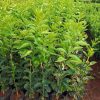
Fruit Africa Nurseries is a trusted source of high-quality grafted Pixie orange seedlings in Kenya. With locations in Murang’a, Nairobi, and Embu, the nursery serves farmers across the country. They offer KEPHIS-certified seedlings that are properly grafted using lemon rootstock, well-hardened, and ready for transplanting. Contact Fruit Africa Nurseries at +254714994444 or sales@fruitafrica.org for genuine, high-quality seedlings.
While other nurseries sell Pixie seedlings from Ksh250 to Ksh350, Fruit Africa Nurseries offers superior seedlings at Ksh200 each. Their seedlings are larger, healthier, and feature well-healed grafting that ensures higher survival rates and faster establishment. At Fruit Africa Nurseries, they value farmers and their success, which is why they provide the best quality planting material at affordable prices.
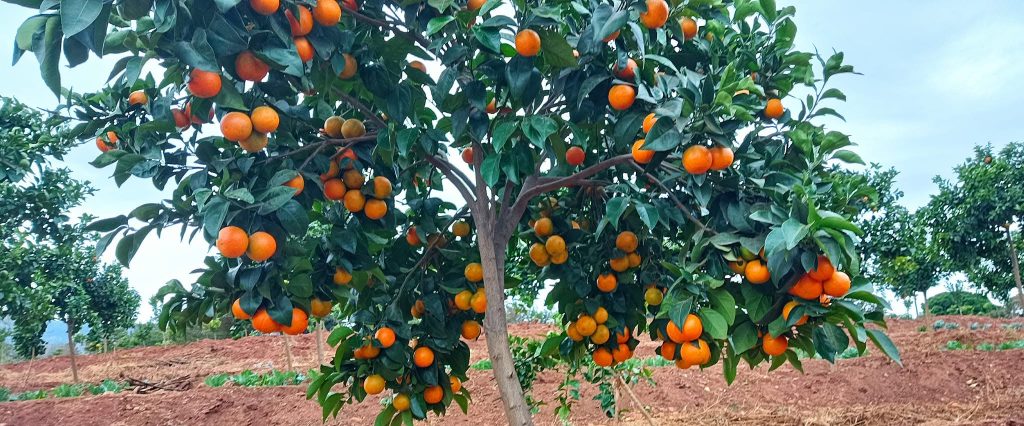
What Are Pixie Oranges?
Pixie oranges originated from California and are seedless. Therefore, the only available method of propagating this variety in Kenya is by grafting. Pixie is a fleshy, easy-to-peel, and highly nutritious fruit that is yellow-orange in colour.
The fruit is often mistaken for normal oranges, but it yields more profit as opposed to oranges. The prices per kilogram of Pixie fruits are three times higher than for oranges. When oranges are retailing at Ksh50 per kilogram, Pixie retails at Ksh150 to Ksh200 per kilogram, making it a highly profitable business.
Pixie oranges are seedless, which is one of their main selling points. Consumers prefer them because they are easy to peel and have a sweet, pleasant taste. The fruit does not have the sourness that some people dislike in ordinary oranges. This makes it popular with children and adults alike.
Why Choose Grafted Pixie Orange Seedlings from Fruit Africa Nurseries?
Grafted Pixie orange seedlings offer several advantages over seedlings grown from seeds. The most important advantage is that grafted seedlings mature faster. Grafted Pixie oranges will start giving you fruits in the second year after planting and mature after 3 to 5 years depending on how well they are taken care of.
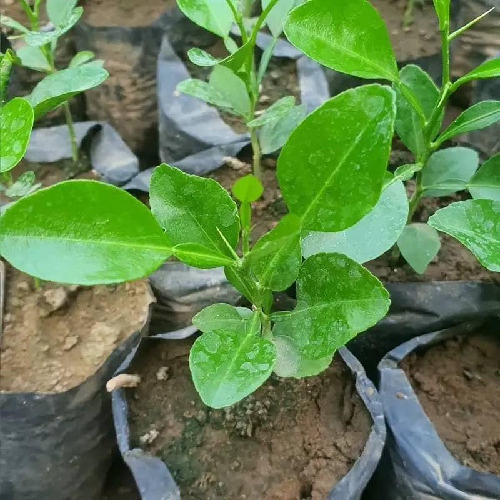
Fruit Africa Nurseries provides the highest quality grafted Pixie orange seedlings in Kenya. Each seedling is meticulously grafted using lemon rootstock, which provides several benefits. The lemon rootstock gives the tree tolerance to various climatic conditions, resistance to common diseases, reduced maturity period, and high production capacity.
The rootstock used for grafting Pixie oranges is lemon. Grafting is done using lemon rootstocks and Pixie scions cut from a mature and vigorously growing Pixie tree. The bud grafting method is the most preferred.
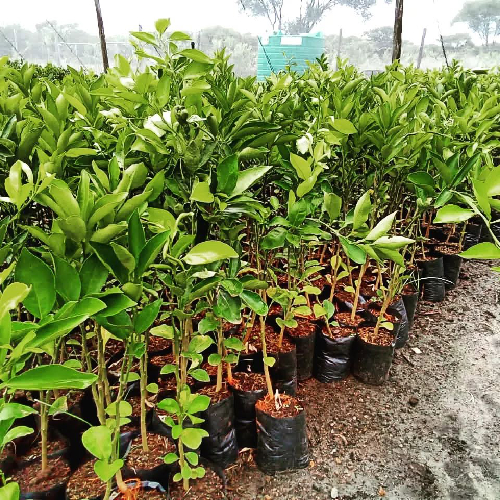
The seedlings from Fruit Africa Nurseries are certified and hardened, ready to transplant. Their superior quality ensures a 99 percent survival rate, giving farmers confidence in their investment. The grafting is well-healed, meaning the union between the rootstock and scion is strong and will support the tree throughout its productive life.
At Fruit Africa Nurseries, they value farmers. This is reflected in their pricing of Ksh200 per seedling for superior quality, compared to other nurseries that charge Ksh250 to Ksh350 for lower quality seedlings. Buying from Fruit Africa Nurseries gives farmers access to larger, healthier seedlings with better genetics and stronger root systems.
Ecological Requirements for Pixie Oranges
Climate Requirements
Pixie oranges thrive in a wide range of soils although they perform best in sandy loamy soils. For optimum performance, they should be grown in deep, fertile and well-drained soils with a pH range of 6.5 to 7.3.
Like oranges, Pixie oranges also survive in areas with low and moderate rainfall, which is why they perform well in arid and semi-arid areas. Makueni County is at the forefront of Pixie orange production, with Machakos and Kitui counties also contributing significantly.
Pixie does very well in arid and semi-arid areas. The fruit has been gaining traction in Kenya with the market extending to the Eastern and Coastal regions. Makueni County is a major producer, with farmers like Haron Muthini operating eight-acre farms with 1,400 Pixie plants.
Temperature and Rainfall
Pixie oranges prefer warm temperatures. They can tolerate dry conditions but need some moisture for good fruit production. The trees do best in areas with low to moderate rainfall. Irrigation is recommended during dry periods to maintain production.
Pixie also performs well in areas that are not suitable for other citrus varieties. This makes it a good choice for farmers in arid and semi-arid areas who want to diversify their production.
Soils
Pixie oranges thrive in a wide range of soils although they perform best in sandy loamy soils. For optimum performance, they should be grown in deep, fertile and well-drained soils with a pH range of 6.5 to 7.3.
Propagation and Planting
Grafting Process
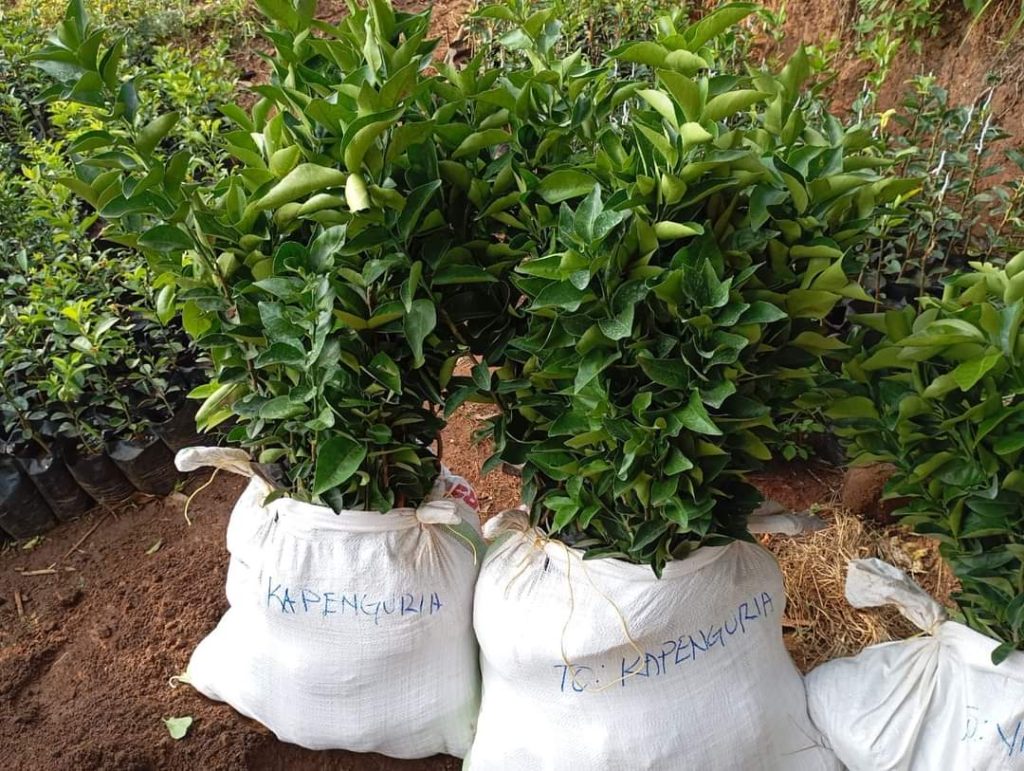
Grafting is done using lemon rootstocks and Pixie scions cut from a mature and vigorously growing Pixie tree. The bud grafting method is the most preferred. The rootstocks become ready for grafting once they attain pencil-like thickness.
Grafting can be done either after transplanting rootstocks (lemon seedlings) on the field, or on lemon seedlings prepared in seedling bags. The seedling should be planted firmly in the prepared hole.
To raise clean seedlings for grafting, a farmer can plant seeds in commercially available media like peat moss and cocopit. These artificial soils are neutral and disease free. A farmer is only required to add mineral nutrients to support growth of the seedlings.
Hole Preparation
Plant seedlings in a hole size of two feet by two feet. Dig and add manure of about 20 kilograms mixed with topsoil put in each of the holes. Mix the soil and manure thoroughly and put it back into the hole up to 2 feet deep.
Spacing
An acre can accommodate 250 Pixie trees with a spacing of four by five metres. Farmers should consider the soil fertility, water availability, and management intensity when deciding on spacing.
Wider spacing allows for more air circulation, which reduces disease pressure. Closer spacing increases the number of trees per acre but requires more intensive management. The typical spacing is 4 metres by 5 metres.
Planting Time
The best time to plant Pixie orange seedlings is at the onset of the rainy season. This allows the trees to establish before the dry season. In areas with irrigation, planting can be done year-round.
Planting Density
At a spacing of 4 metres by 5 metres, approximately 250 trees fit per acre. This is the recommended density for optimal production.
Grafted Pixie Orange Seedlings Price
The cost of grafted Pixie orange seedlings from Fruit Africa Nurseries is Ksh200 per seedling. This is significantly lower than other nurseries that charge Ksh250 to Ksh350 for lower quality seedlings.
The cost of starting a Pixie farm includes the seedlings, land preparation, manure, and initial care. With Fruit Africa Nurseries’ affordable pricing, farmers can establish their orchards at a lower cost and start earning returns sooner.
Pixie Orange Management Practices
Weed Control
Pixie orchards should be weed-free. Mulching and planting cover crops minimize the growth of weeds and help to conserve soil moisture and control erosion. The mulching material should never come in contact with the graft union.
Pruning
Very light pruning is required. The trees are trained to a single system and any shoot emerging from the portion below the bud union should be nipped off regularly. Pruning helps maintain the shape of the tree and improves light penetration.
Nutrition
Seedlings respond well to organic fertilizer, blooming after two and a half years of planting. They require a sufficient supply of fertilizer and manure for normal growth and development. Farmers should apply manure annually around the base of the tree.
Irrigation
Irrigation is important for Pixie orange production, especially during dry periods. The trees need consistent moisture for good growth and fruit development. Drip irrigation is the most efficient system.
Mulching
Mulching is essential for Pixie orange production. It conserves soil moisture, suppresses weeds, and provides nutrients as it decomposes. Apply dry grass or other organic mulch around the plant, keeping it away from the graft union.
Pests and Diseases
Common Pests
Common pests that affect Pixie oranges include mites, bark-eating caterpillars, mealybugs, aphids, leaf miners, and fruit flies. Farmers should monitor their orchards regularly and take appropriate action when pests are detected.
Common Diseases
Diseases include gummosis, collar rot, twig blight, and damping-off. Grafted varieties are resistant to many of the common pests and diseases. Clean planting materials can save between 25 percent and 100 percent of the crops affected by the greening disease.
Disease Management
To control gummosis, there is a need to do a management practice that entails removing the dark, diseased bark and a buffer strip of healthy, light brown to greenish bark around the margins of the infection. Allow the exposed area to dry out and check from time to time and repeat frequently.
For collar rot disease, farmers can do application of foliar sprays of phosphorous acid or treat as advised by the experts. Damping off is favoured by abundant moisture in the soil. Adequate control of damping off can be achieved by avoiding infested soils and overwatering.
Pest Control
The best way to control the African Citrus Trizoid (ACT) pest still remains the use of systemic pesticides like imidacloprid. However, biopest control remains the only viable route of minimizing chemical use in production.
Pixie Orange Maturity and Harvest
Maturity Timeline
The trees begin to flower in the second year and can produce a few fruits on each tree. They attain maturity at around two to three years. Grafted Pixie oranges mature quicker and start bearing fruit in their second year, reaching full maturity in 3 to 5 years, with yield increasing as the trees grow.
The profitability of the trees starts at around five years, with each plant producing more than 300 fruits. At first, each tree will give a few fruits, about 30 to 50 fruits. This production increases every year as the branches grow wider. The highest yield is attained in the 4th or 5th year in which each Pixie tree can give up to 300 fruits.
Harvesting
Harvest Pixie oranges when they are fully ripe. The fruits should be yellow-orange in colour and easy to peel. Use appropriate tools to avoid damaging the fruit. Handle the fruit carefully to prevent bruising.
Harvesting is typically done by hand. The fruit is cut from the tree with clippers or scissors. Care should be taken to avoid damaging the tree or the remaining fruit.
Profitability of Pixie Orange Farming
Revenue per Tree
A mature Pixie tree produces up to 80 kilograms of fruit annually. With proper management, yields can reach 120 kilograms per tree. At a farm gate price of Ksh80 to Ksh150 per kilogram, each tree earns Ksh6,400 to Ksh18,000 per year.
Revenue per Acre
At 250 trees per acre, an acre of Pixie oranges produces up to 16,000 kilograms of fruit per year. At Ksh80 per kilogram, gross revenue is Ksh1.28 million per acre per year. At Ksh150 per kilogram, gross revenue is Ksh2.4 million per acre per year.
A farmer can earn at least Ksh1.2 million from an acre of Pixie oranges annually. The profit can vary depending on the demand and the size of the farm.
Farmer Case Study
Haron Muthini, a farmer from Makueni, started his agricultural journey in 2011. He currently has an eight-acre farm supporting 1,400 Pixie plants. His operation generates over 150 tons annually, achieving sales exceeding Ksh100,000 per ton.
He strategically markets his harvest off-season to capitalize on favorable pricing, with each kilogram fetching good prices. The venture reached a break-even point after 3.5 years, highlighting the significant investment required in nurturing the plants.
He also offers planting services to aspiring Pixie orange farmers, charging Ksh102,000 per acre, which covers manure, planting, and initial care for the first four months.
Cost of Starting Pixie Orange Farming
| Item | Estimated Cost (KES) |
|---|---|
| Seedlings (250) at Ksh200 each from Fruit Africa Nurseries | 50,000 |
| Land Preparation | 20,000 – 40,000 |
| Manure and Compost | 20,000 – 30,000 |
| Planting Labour | 10,000 – 20,000 |
| Irrigation Equipment (if needed) | 30,000 – 50,000 |
| Total | 130,000 – 190,000 |
Where to Buy Grafted Pixie Orange Seedlings
Fruit Africa Nurseries is a trusted source of high-quality grafted Pixie orange seedlings in Kenya. With locations in Murang’a, Nairobi, and Embu, the nursery serves farmers across the country.
The company offers KEPHIS-certified seedlings that are properly grafted using lemon rootstock. The seedlings are well-hardened and ready for transplanting. They promise superior quality and exceptional productivity, thanks to advanced grafting techniques.
At Fruit Africa Nurseries, they value farmers and their success. That is why they offer the best quality seedlings at Ksh200 each, significantly lower than other nurseries that charge Ksh250 to Ksh350 for lower quality seedlings.
Contact Fruit Africa Nurseries at +254714994444 or sales@fruitafrica.org to place your order or get more information about their products and services.
Frequently Asked Questions
What is a Pixie orange? Pixie orange is a cross between oranges and tangerines. It is yellow-orange in colour, seedless, easy to peel, tasty and highly nutritious.
How much do grafted Pixie orange seedlings cost from Fruit Africa Nurseries? Fruit Africa Nurseries offers superior quality grafted Pixie orange seedlings at Ksh200 each. Other nurseries charge Ksh250 to Ksh350 for lower quality seedlings.
How many trees fit on one acre? At a spacing of 4m by 5m, approximately 250 trees fit per acre.
How long does it take for Pixie oranges to mature? Grafted Pixie oranges start bearing fruit in the second year and reach full maturity in 3 to 5 years.
How much can I earn from one acre? A well-managed acre can produce up to 16,000 kilograms per year, earning Ksh1.2 million to Ksh2.4 million annually.
What is the best soil for Pixie oranges? Pixie oranges thrive in well-drained sandy loam soils with a pH range of 6.5 to 7.3.
Can Pixie oranges grow in dry areas? Yes, Pixie oranges survive in areas with low and moderate rainfall, which is why they perform well in arid and semi-arid areas.
What is the spacing for Pixie oranges? The recommended spacing is 4 metres by 5 metres. This gives approximately 250 trees per acre.
How do I control pests on Pixie oranges? Monitor your orchard regularly. Use cultural controls like pruning and sanitation. Apply chemical controls when necessary. Grafted varieties are resistant to many common pests.
How do I control diseases on Pixie oranges? For gummosis, remove the dark, diseased bark and allow the exposed area to dry out. For collar rot, apply foliar sprays of phosphorous acid. Avoid overwatering to control damping-off.
What rootstock is used for grafting Pixie oranges? Lemon rootstocks are used for grafting Pixie oranges. The bud grafting method is the most preferred.
How long does it take to break even? The venture reaches a break-even point after 3.5 years, depending on management.
What is the farm gate price for Pixie oranges? The farm gate price is Ksh80 to Ksh150 per kilogram. Retail price can be Ksh150 to Ksh200 per kilogram.
Do Pixie oranges need irrigation? Irrigation is recommended during dry periods. The trees need consistent moisture for good growth and fruit production.
What is the best time to plant Pixie oranges? The best time is at the start of the rainy season. In areas with irrigation, planting can be done year-round.
Final Checklist
- Select the right location with suitable soil and climate conditions.
- Buy grafted Pixie orange seedlings from Fruit Africa Nurseries.
- Prepare the land with proper planting holes and organic matter.
- Plant at the start of the rainy season.
- Space correctly (4m by 5m).
- Water regularly during the establishment phase.
- Apply fertilizer and manure based on soil analysis.
- Control weeds through mulching.
- Manage pests and diseases through good sanitation.
- Harvest when the fruit is mature.
- Market your Pixie oranges to supermarkets and local traders.


Reviews
There are no reviews yet.