

Description
Apricot Seedlings in Kenya: Complete Guide to Planting, Spacing, Yield and Profitability
Apricot farming in Kenya is slowly picking up. Farmers are looking for fruits that give good money and are not yet grown by everyone. Apricots belong to the same family as peaches, plums, and cherries. They are round fruits with golden-orange skin and a sweet, tangy taste. They are packed with vitamins A and C, fibre, and antioxidants. The demand for apricots is growing as more Kenyans discover this fruit. Supermarkets, hotels, and health food shops are looking for local suppliers.
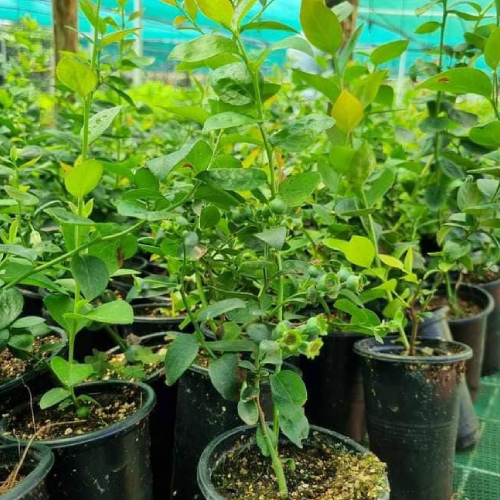
Fruit Africa Nurseries is a trusted source of high-quality apricot seedlings in Kenya. With locations in Murang’a, Nairobi, and Embu, the nursery serves farmers across the country. They offer KEPHIS-certified seedlings that are properly grafted, well-hardened, and ready for transplanting. Contact Fruit Africa Nurseries at +254714994444 or sales@fruitafrica.org for genuine, high-quality seedlings.
At Fruit Africa Nurseries, we take pride in offering only the best planting material to Kenyan farmers. Our apricot seedlings are among the most expensive exotic fruit seedlings in the country, priced at Ksh3,500 each. This price reflects the superior quality of our seedlings, the advanced propagation techniques we use, and the extensive care we put into producing each plant. We understand that farmers invest a lot of money into their farms, and we want to give them seedlings that will reward them with high yields and quality fruit for many years.
What Are Apricots?
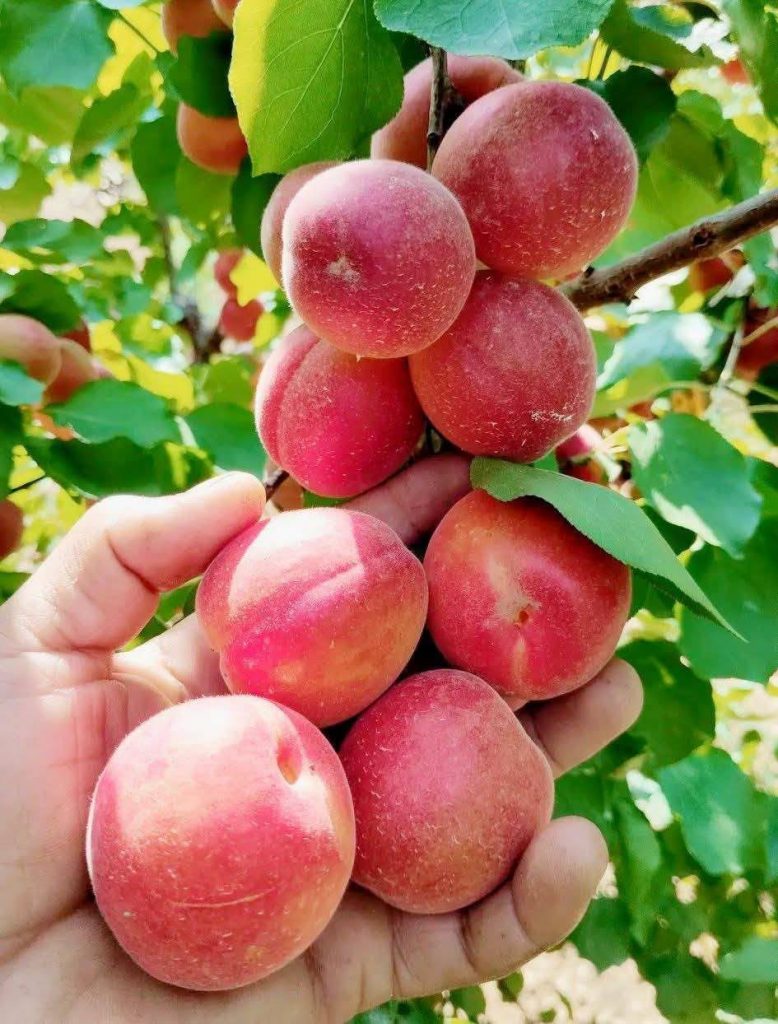
Apricots are stone fruits that belong to the same family as peaches, plums, cherries, and almonds. The fruit is round to slightly oval, with smooth skin that changes from green to yellow to deep orange as it ripens. Some varieties develop a reddish blush on the side that faces the sun.
The fruit has a sweet, tangy flavour and a soft, juicy texture. Inside the fruit is a hard stone that contains a kernel. Apricots are eaten fresh, dried, or processed into jams, juices, and oils. The kernels are used in cosmetics and medicinal products.
Apricots are highly nutritious. They are rich in vitamin A, which supports eye health and immunity. They also contain vitamin C, dietary fibre, and antioxidants that fight inflammation. The fruit is also a good source of potassium, which supports heart health.
Apricot trees are attractive in the landscape. They produce beautiful white or pink blossoms in early spring before the leaves appear. The trees are medium-sized, reaching heights of 3 to 6 metres at maturity. They have a spreading canopy and are suitable for orchards and home gardens.
Why Choose Apricot Seedlings from Fruit Africa Nurseries?
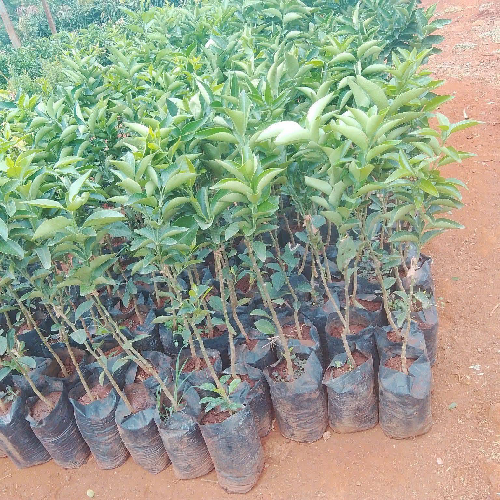
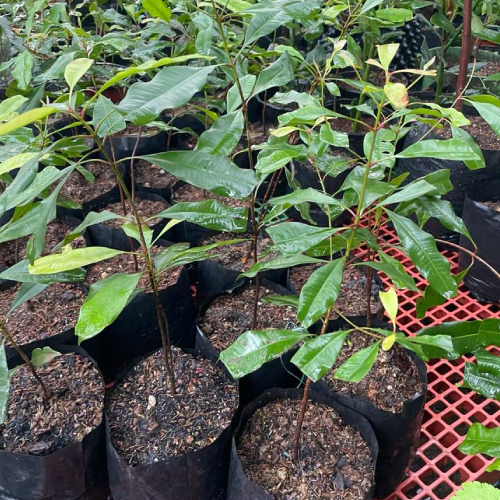
Fruit Africa Nurseries provides high-quality grafted apricot seedlings. Each seedling is propagated from elite mother trees, giving the tree disease resistance and high production capacity. Our seedlings are certified and hardened, ready to transplant. They have a high survival rate and give farmers confidence in their investment.
At Fruit Africa Nurseries, we value farmers and their success. That is why we offer the best quality seedlings. Our apricot seedlings are grafted onto rootstock that is disease-resistant and well-adapted to Kenyan conditions. The graft union is strong and well-healed, ensuring the tree develops a strong foundation.
We produce our seedlings under strict quality control. Each seedling is inspected before it leaves our nursery. We only sell seedlings that meet our high standards. Our farmers get access to technical support and advice on planting and management.
The cost of our seedlings is Ksh3,500 each. While this is higher than many other fruit seedlings, the return on investment is substantial. Farmers who buy our seedlings get trees that are disease-free, fast-growing, and high-yielding. The superior genetics of our seedlings mean they produce fruit earlier and in larger quantities than ordinary seedlings.
Apricot Varieties Available at Fruit Africa Nurseries
Early Golden
Early Golden is one of the most popular apricot varieties grown in Kenya. It produces medium-sized, golden-orange fruit with a sweet, tangy flavour. The tree is vigorous and produces good yields. It matures early, making it ideal for areas with shorter growing seasons. The fruit ripens in late spring to early summer. This variety is well-suited for fresh consumption and drying.
Moorpark
Moorpark is a well-known apricot variety that produces large, orange fruit with a rich, sweet flavour. The fruit has a firm texture, making it suitable for fresh consumption and drying. The tree is productive and reliable. It is one of the most popular varieties in many apricot-growing regions. Moorpark performs well in a range of climates.
Blenheim
Blenheim is another popular apricot variety. It produces medium-sized fruit with excellent flavour. The fruit is used fresh and for canning. The tree is vigorous and productive. It is a good choice for farmers who want high-quality fruit. Blenheim is known for its superior eating quality.
Royal
Royal is a variety that produces large, orange-red fruit with a sweet, aromatic flavour. The fruit is firm and stores well. The tree is productive and disease-resistant. It is a good choice for commercial production. Royal apricots are highly regarded for their appearance and taste.
Goldrich
Goldrich is a late-maturing variety that produces large, orange fruit with a sweet, tangy flavour. The fruit has a firm texture and stores well. The tree is productive and reliable. It is a good choice for areas with longer growing seasons. Goldrich is a good choice for fresh consumption and processing.
Hungarian
Hungarian apricot is a variety known for its high sugar content. The fruit is medium-sized, golden-orange, and very sweet. It is ideal for fresh consumption and drying. The tree is hardy and productive, making it suitable for cooler climates. Hungarian apricots are prized for their sweetness.
Comparing Apricot Varieties
| Feature | Early Golden | Moorpark | Blenheim | Royal | Goldrich | Hungarian |
|---|---|---|---|---|---|---|
| Fruit Size | Medium | Large | Medium | Large | Large | Medium |
| Skin Colour | Golden-orange | Orange | Orange | Orange-red | Orange | Golden-orange |
| Flavour | Sweet, tangy | Rich, sweet | Excellent | Sweet, aromatic | Sweet, tangy | Very sweet |
| Maturity | Early | Mid | Mid | Mid | Late | Late |
| Best Use | Fresh, drying | Fresh, drying | Fresh, canning | Fresh, storage | Fresh, storage | Fresh, drying |
| Disease Resistance | Moderate | Good | Good | Good | Good | Good |
Ecological Requirements for Apricots
Climate Requirements
Apricots need a temperate climate with distinct seasons. They require a period of cold dormancy to break bud and flower properly. This is called chilling requirement. Apricots need 300 to 800 hours of cold temperatures below 7 degrees Celsius. Farmers in areas with mild winters should choose varieties with lower chilling requirements.
Apricot trees are sensitive to late frosts. The flowers open early and can be damaged by frost. Areas with late frosts should choose late-blooming varieties. The trees also need protection from strong winds, which can damage flowers and young fruit.
Temperature Requirements
Apricots need temperatures between 15 and 25 degrees Celsius during the growing season. They can tolerate hot summers but need cool nights for good fruit development. Winter temperatures should be cold enough to meet the chilling requirement. The trees are hardy and can survive short periods of extreme cold.
Altitude
The ideal altitude for apricots is between 1,000 and 2,500 metres above sea level. At these altitudes, the trees produce the best quality fruit with good colour and flavour. Higher altitudes with cooler temperatures may slow growth but often produce fruit with better flavour. Farmers should choose varieties suited to their specific altitude.
Soil Requirements
Apricots need deep, well-drained soils. They do not tolerate waterlogged soils. The soil pH should be between 6.0 and 7.5. Sandy loam soils are ideal. The soil should be fertile and rich in organic matter. Farmers should test their soil before planting and amend it as needed.
Rainfall and Irrigation
Apricots need 500 to 800 millimetres of water per year. In areas with lower rainfall, irrigation is needed. Drip irrigation is the most efficient system. It delivers water directly to the root zone. Irrigation is most important during flowering, fruit set, and fruit development. Water stress during these stages reduces yields and fruit quality.
Best Counties for Apricot Farming in Kenya
Central Highlands
Central Kenya has suitable conditions for apricot farming. Counties like Kiambu, Murang’a, Nyeri, and Kirinyaga have moderate temperatures and good soils. The altitude and climate are favourable. These areas have good access to markets and services. Many successful apricot orchards are found in these counties.
Rift Valley
Parts of the Rift Valley are suitable for apricot farming. Nakuru, Laikipia, and parts of Kericho have the right conditions. The cooler temperatures help meet the chilling requirement. The soils are generally good. These areas are close to major markets.
Eastern Kenya
Parts of Eastern Kenya are suitable for apricot farming. Meru and Embu have moderate temperatures and good soils. The altitude and climate are favourable. These areas are close to major markets. Many farmers in these areas are already growing apricots successfully.
Other Areas
Apricots can be grown in other parts of Kenya with suitable conditions. Farmers should assess their site before planting. The altitude, temperatures, and rainfall should be appropriate. Fruit Africa Nurseries can advise farmers on site suitability.
How to Plant Apricot Seedlings
Land Preparation
Clear the land of weeds and debris. Plough the land to break up the soil. Remove any rocks or roots that could interfere with planting. Prepare the field for planting. The land should be well-drained and free from waterlogging. If the land is sloping, consider terracing to prevent soil erosion.
Hole Preparation
Dig holes that are 2 feet by 2 feet by 2 feet. Separate the topsoil from the subsoil. Mix the topsoil with 20 kilograms of well-decomposed manure. Add 200 grams of DAP fertilizer. Mix everything well and put it back into the hole. The hole should be large enough to accommodate the root system without bending or crowding the roots.
Spacing
The recommended spacing for apricot trees is 5 metres by 5 metres. This gives approximately 150 trees per acre. This spacing allows the trees to develop fully and produce well. Closer spacing requires more intensive management. The spacing should be adjusted based on soil fertility and management intensity.
Planting
Plant the seedlings at the same depth as they were in the nursery. The graft union should be above the ground. Firm the soil around the roots. Water immediately after planting. Mulch around the tree to conserve moisture.
Planting Time
The best time to plant apricot seedlings is at the start of the rainy season. This allows the trees to establish before the dry season. In areas with irrigation, planting can be done year-round. The ideal planting time is March to April or October to November.
Pollination Requirements
Apricots are self-pollinating. This means you can plant a single variety and still get fruit. However, cross-pollination with another variety can improve fruit set and yields. Bees are the primary pollinators. Place beehives in the orchard during bloom to improve fruit set.
Apricot Tree Management Practices
Weed Control
Apricot orchards should be kept weed-free. Weeds compete with the trees for water and nutrients. They also harbour pests and diseases. Mulching helps suppress weeds. Mechanical weeding is also effective. Chemical herbicides can be used but should be applied carefully.
Pruning
Pruning is important for apricot production. It maintains the shape of the tree and promotes new growth. It improves light penetration and air circulation. It also removes diseased or damaged branches.
Apricot trees are trained to an open centre system. This allows light to reach all parts of the tree. Pruning is done annually after harvest. Remove any shoots growing below the graft union. Prune to remove crowded and crossing branches.
Nutrition
Apricot trees need adequate nutrition for good production. Nitrogen is important for growth. Phosphorus is important for root development. Potassium is important for fruit development.
Apply fertilizer based on soil analysis. A typical program includes nitrogen, phosphorus, and potassium. Organic manure is also important. Apply manure annually around the base of the tree. The most critical periods for nutrition are flowering and fruit development.
Irrigation
Irrigation is important for apricot production. Apricots need water during the growing season. The most critical periods are flowering, fruit set, and fruit development.
Drip irrigation is the most efficient system. It delivers water directly to the root zone. It reduces water waste and disease risk. Maintain consistent moisture for good yields. Avoid waterlogging, which can cause root rot.
Mulching
Mulching is essential for apricot production. It conserves soil moisture and suppresses weeds. It also provides nutrients as it decomposes. Apply dry grass or other organic mulch around the tree. Keep the mulch away from the trunk to prevent rot.
Pests and Diseases of Apricots
Common Pests
Apricots are affected by several pests. The major pests include aphids, mites, scale insects, fruit flies, and borers. Farmers should monitor their orchards regularly. Take action when pests are detected.
Aphids are small insects that feed on young shoots and leaves. They cause stunted growth and produce honeydew that encourages sooty mould. Control with insecticides or natural predators.
Mites are tiny pests that feed on leaves, causing yellowing and bronzing. They reduce photosynthesis and can cause defoliation. Control with miticides or natural predators.
Fruit flies lay eggs in the fruit. The larvae cause damage and make the fruit unsuitable for market. Control with bait traps and insecticides. Good orchard sanitation is also important.
Common Diseases
Apricots are affected by several diseases. The major diseases include brown rot, bacterial canker, leaf curl, shot hole, and gummosis. Good management practices reduce disease pressure.
Brown rot is a fungal disease that affects flowers and fruits. It causes fruit rot and reduces yields. Fungicide applications may be needed. Good air circulation reduces disease pressure.
Bacterial canker causes gum exudation and dieback. It can kill branches and reduce yields. Remove and destroy infected branches. Apply copper sprays in autumn.
Leaf curl causes leaves to become distorted and red. It reduces photosynthesis and tree vigour. Apply copper sprays in autumn to prevent infection.
Disease Management
To control gummosis, remove the diseased bark and allow the area to dry out. For bacterial canker, remove and destroy infected branches. Apply copper sprays in autumn. For brown rot, apply fungicides during bloom and fruit development.
Pest Control
Monitor your orchard regularly for pests. Use cultural controls like pruning and sanitation. Apply chemical controls when necessary. Follow the recommended rates and timing. Always follow safe spraying practices.
Apricot Maturity and Harvest
Maturity Timeline
Grafted apricot trees start bearing fruit in 3 to 5 years. Full production is reached in 6 to 10 years. The trees continue to produce for more than 20 years.
The profitability of the trees starts at around 5 years. Production increases every year as the trees grow. The highest yield is attained in the 8th to 10th year.
Flowering
Apricot trees bloom in early spring. The flowers appear before the leaves. The flowers are self-pollinating but cross-pollination improves fruit set. Bees are the primary pollinators.
Fruit Development
After pollination, the fruit develops over several months. The fruit matures from late spring to early summer. The fruit changes from green to golden-orange as it ripens.
Harvesting
Apricots are harvested when they are fully ripe. The fruit should be golden-orange in colour and slightly soft to the touch. Handle the fruit carefully to prevent bruising. The fruit should be harvested by hand.
Post-Harvest Handling
Apricots are delicate and need careful handling after harvest. They should be cooled quickly to extend shelf life. They should be stored at 0 to 5 degrees Celsius. The fruit is highly perishable and should be marketed quickly.
Profitability of Apricot Farming in Kenya
Revenue per Tree
A mature apricot tree produces 30 to 60 kilograms of fruit per year. At a farm gate price of Ksh200 to Ksh400 per kilogram, each tree earns Ksh6,000 to Ksh24,000 per year.
Revenue per Acre
At 150 trees per acre (5m by 5m spacing), an acre produces 4,500 to 9,000 kilograms of fruit per year. At Ksh200 to Ksh400 per kilogram, gross revenue is Ksh900,000 to Ksh3,600,000 per acre per year.
Cost of Starting Apricot Farming
| Item | Estimated Cost (KES) |
|---|---|
| Seedlings (150 at Ksh3,500 each) | 525,000 |
| Land Preparation | 20,000 – 40,000 |
| Manure and Compost | 20,000 – 30,000 |
| Planting Labour | 10,000 – 20,000 |
| Irrigation Equipment (if needed) | 30,000 – 50,000 |
| Total | 605,000 – 665,000 |
Return on Investment
While the initial investment for apricot seedlings is high at Ksh3,500 each, the returns justify the cost. A well-managed apricot orchard can pay back the investment within 3 to 5 years. The trees then continue to produce for more than 20 years, providing a steady income for the farmer.
Where to Buy Apricot Seedlings
Fruit Africa Nurseries is a trusted source of high-quality apricot seedlings in Kenya. With locations in Murang’a, Nairobi, and Embu, the nursery serves farmers across the country.
The company offers KEPHIS-certified seedlings that are properly grafted. The seedlings are well-hardened and ready for transplanting. They have superior quality and exceptional productivity.
At Fruit Africa Nurseries, we value farmers and their success. That is why we offer the best quality seedlings. Our apricot seedlings are priced at Ksh3,500 each, reflecting the superior quality we provide. We know our seedlings are the best in the market, and we want our farmers to get the best returns.
Contact Fruit Africa Nurseries at +254714994444 or sales@fruitafrica.org to place your order or get more information about our products and services.
Frequently Asked Questions
What is an apricot? Apricot is a stone fruit belonging to the same family as peaches, plums, cherries, and almonds. It has golden-orange skin and a sweet, tangy taste.
How much do apricot seedlings cost from Fruit Africa Nurseries? Our apricot seedlings are priced at Ksh3,500 each. This reflects the superior quality of our seedlings and the advanced propagation techniques we use.
How many trees fit on one acre? At 5m by 5m spacing, approximately 150 trees fit per acre.
How long does it take for apricots to mature? Grafted trees start bearing fruit in 3 to 5 years. Full production is reached in 6 to 10 years.
How much can I earn from one acre? A well-managed acre can produce Ksh900,000 to Ksh3.6 million annually depending on spacing and management.
What is the best soil for apricots? Apricots need deep, well-drained soils with pH between 6.0 and 7.5. Sandy loam soils are ideal.
Can apricots grow in dry areas? Yes, with irrigation. Apricots need consistent moisture during the growing season.
What is the spacing for apricots? The recommended spacing is 5m by 5m.
How do I control pests on apricots? Monitor your orchard regularly. Use cultural controls like pruning and sanitation. Apply chemical controls when necessary.
How do I control diseases on apricots? Use clean planting material. Practice good sanitation. Apply fungicides when necessary.
Do apricots need cross-pollination? Apricots are self-pollinating. However, cross-pollination can improve fruit set and yields.
What are the best apricot varieties for Kenya? Early Golden, Moorpark, Blenheim, Royal, Goldrich, and Hungarian are suitable for Kenya.
How long does an apricot tree live? Apricot trees can produce for more than 20 years under proper management.
Do apricots need irrigation? Irrigation is recommended during dry periods. The trees need consistent moisture for good yields.
What is the best time to plant apricots? The best time is at the start of the rainy season. In areas with irrigation, planting can be done year-round.
Are apricot seedlings worth the investment? Yes. While the initial cost is high at Ksh3,500 per seedling, the returns justify the investment. A well-managed orchard can pay back the investment within 3 to 5 years.
Final Checklist
- Select the right location with suitable soil and climate conditions.
- Buy apricot seedlings from Fruit Africa Nurseries.
- Prepare the land with proper planting holes and organic matter.
- Plant at the start of the rainy season.
- Space correctly (5m by 5m).
- Water regularly during the establishment phase.
- Apply fertilizer and manure based on soil analysis.
- Control weeds through mulching.
- Prune annually to maintain tree shape.
- Monitor for pests and diseases regularly.
- Harvest when the fruit is fully ripe.
- Market your apricots to supermarkets, hotels, or processors.


Reviews
There are no reviews yet.