

Description
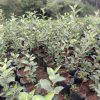
Grafted Apple Seedlings in Kenya: Complete Guide to Planting, Spacing, Yield and Profitability
Kenyan farmers are slowly discovering that apples can do well here. For a long time, people thought apples only grow in cold countries like Europe or South Africa. But that is not true. With the right seedlings and proper care, you can grow apples right here in Kenya and make good money from them.
The demand for apples in Kenya is huge. Walk into any supermarket in Nairobi, Kisumu, or Mombasa and you will see apples on the shelves. Most of these apples come from South Africa, China, or Europe. Kenyan farmers are missing out on this market. But that is changing. More farmers are planting apple trees and supplying the local market with fresh, locally grown fruit.
Fruit Africa Nurseries is a trusted source of high-quality grafted apple seedlings in Kenya. With locations in Murang’a, Nairobi, and Embu, the nursery serves farmers across the country. They offer KEPHIS-certified seedlings that are properly grafted onto M9 rootstock, well-hardened, and ready for transplanting. Contact Fruit Africa Nurseries at +254714994444 or sales@fruitafrica.org for genuine, high-quality seedlings.
Why Kenyan Farmers Should Grow Apples
The main reason to grow apples is simple. Money. Kenya brings in thousands of tonnes of apples from other countries every single year. That is money that could be going into the pockets of Kenyan farmers. The market is already there. You do not need to look for customers. They are already buying apples. You just need to produce the fruit.
Apples are also good because they do not spoil quickly like vegetables or tomatoes. You can harvest them and store them for weeks or even months. This gives you time to sell them when the price is good. You are not forced to sell immediately at low prices because the fruit is about to go bad.
Apples are versatile too. People eat them fresh. They use them in cooking. They process them into juice. Hotels use them in salads and desserts. The demand never drops. It stays steady throughout the year.
The government is also pushing farmers to grow fruits that can replace imports. Apples are one of those fruits. Farmers who start now will be ahead of the crowd. They will have established orchards when the market becomes even more competitive.
Why Choose Fruit Africa Nurseries for Apple Seedlings
Fruit Africa Nurseries gives you seedlings that are grafted on M9 rootstock. M9 is a special rootstock that keeps the trees small. This is good because you do not need a lot of space. The trees are easier to manage. You can prune them without climbing. You can spray them without struggling. Harvesting is also easier because the fruit is not too high up.
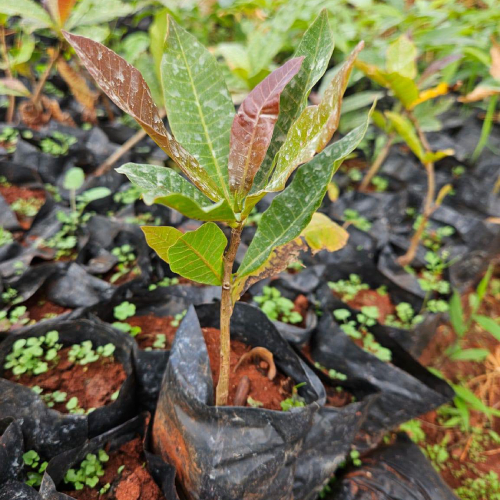
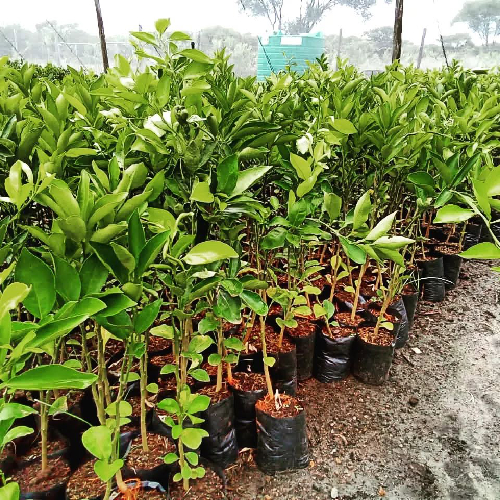
Our seedlings are certified by KEPHIS. This means they are clean and free from diseases. They are also hardened, which means they can survive transplanting. The survival rate is high. When you buy from us, you are not wasting your money.
M9 rootstock is important because it makes the trees bear fruit early. You do not have to wait many years like with ordinary apple trees. You start seeing fruit in 9 to 12 months. This is a big advantage for farmers who want quick returns.
We also make sure our seedlings are well grafted. The graft union is strong. The tree will not break when it gets bigger. We inspect every seedling before it leaves our nursery. We do not sell anything that is not up to standard.
Our seedlings are priced at Ksh500 each. This is fair for the quality we provide. You are getting certified seedlings grafted on M9 rootstock. The trees will bear fruit early and produce well. The investment pays back quickly.
What Is M9 Rootstock?
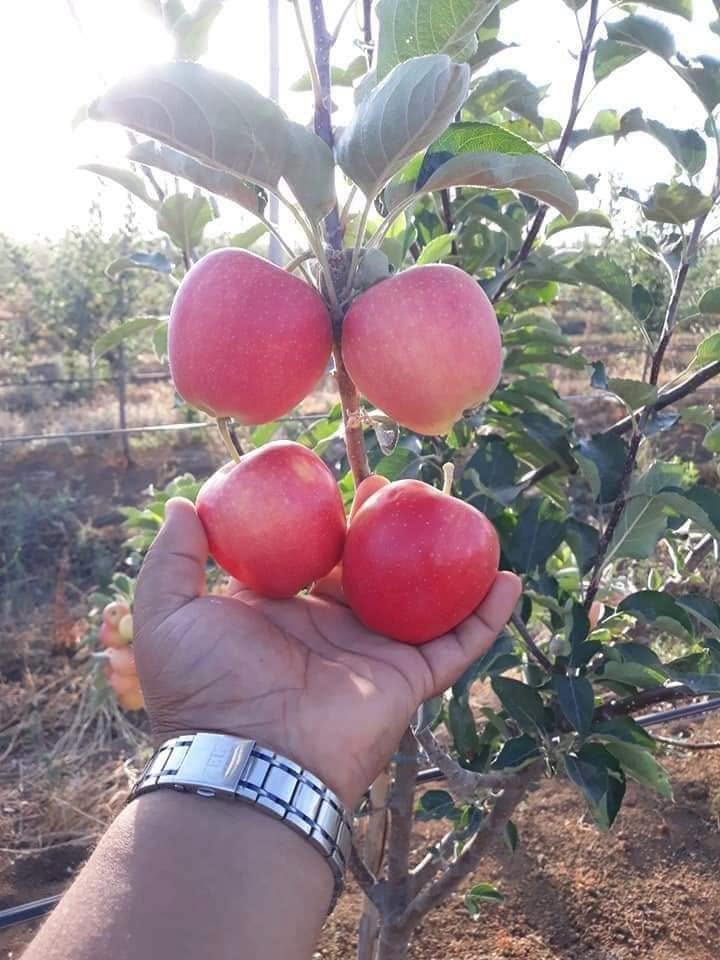
M9 rootstock is a dwarfing rootstock that people use all over the world for apple farming. It keeps the tree small. This is good because you can plant more trees per acre. More trees means more fruit. More fruit means more money.
Trees on M9 rootstock also start producing early. You do not wait eight years to see fruit. You start seeing fruit within the first year after planting. This is important for farmers who need income.
M9 rootstock also gives the tree resistance to some diseases. Fire blight and root rot are common problems in apple farming. M9 helps the tree fight these diseases. This means you spend less money on chemicals.
The rootstock also gives the tree a strong root system. The tree can take up nutrients well. It does not fall over easily. But because the trees are small, you still need to support them with stakes or wires. This is a small price to pay for the benefits.
Apple Varieties Available at Fruit Africa Nurseries
We have many varieties at Fruit Africa Nurseries. Different varieties do well in different areas. Some like it cool. Others can handle warmer conditions. We help farmers choose the right ones for their place.
Anna
Anna is a popular variety in Kenya. It produces red apples that are sweet and crisp. It starts bearing fruit quickly, in about 9 to 12 months. Anna does well in moderate climates. It is not too fussy. Many farmers start with Anna because it is reliable. The apples sell well in local markets and supermarkets.
Pink Lady
Pink Lady is a premium apple. The fruit is pink in colour, which is why it is called that. It is crisp and has a sweet-tart taste. People who try Pink Lady usually like it. It does well in highland areas where it is cool. The prices for Pink Lady are good because it is a high-quality fruit. This variety is good for export market too.
Fuji
Fuji is another good variety. It is sweet and crisp. The apples are large with red and yellow skin. Fuji originated in Japan but does well in Kenyan highlands. It has a long shelf life, which is good for storage. Fuji apples are popular in supermarkets because they look good and taste great.
Wambugu
Wambugu is a local variety. It was developed in Kenya and is very popular. It is hardy and grows fast. The apples are red with yellow specks. They are crisp and sweet. The best thing about Wambugu is that it can grow in warmer areas where other apples struggle. It also bears fruit early, in about 9 months. Many farmers prefer Wambugu because it is reliable and productive.
Granny Smith
Granny Smith is the green apple that many people know. It is tart and crisp. Many people like it for cooking and fresh eating. It does well in cool highland areas. The shelf life is long, which is good for storage. Granny Smith is popular in supermarkets and hotels.
Golden Dorsett
Golden Dorsett produces yellow apples that are sweet and mild. It does well in warmer areas compared to other varieties. It is also a good pollinator for other apple trees. If you have Anna or Winter Banana, Golden Dorsett helps them produce more fruit. This variety is good for farmers in slightly warmer areas.
Winter Banana
Winter Banana is a special variety. It has a banana-like smell and taste. The apples are golden-yellow and sweet. It also helps pollinate other trees. Winter Banana and Anna flower at the same time, which is good for fruit set. This variety is popular in the Mt. Elgon area.
Red Apple
Red Delicious is a well-known red apple. It has waxy red skin and white sweet flesh. It is a good pollinator for other varieties. It grows in highland areas where it is cool. Red Delicious is popular in local markets.
Gala
Gala is a popular apple worldwide. It is sweet and crisp. The fruit is smaller than some other varieties, which makes it good for snacking. Gala does well in cool highland areas. It is a favourite in supermarkets and fruit shops.
Braeburn
Braeburn produces red-striped apples with a sweet-tart taste. It is crisp and stores well. It does well in highland areas. Kenya imports a lot of Braeburn apples, so there is a market waiting for local production. This variety is good for farmers who want to supply supermarkets.
Comparing Apple Varieties
| Feature | Anna | Pink Lady | Fuji | Wambugu | Granny Smith | Golden Dorsett | Winter Banana | Red Apple | Gala | Braeburn |
|---|---|---|---|---|---|---|---|---|---|---|
| Skin Colour | Red | Pink | Red/yellow | Red/yellow | Green | Golden-yellow | Golden-yellow | Red | Red-orange | Red-striped |
| Flavour | Sweet | Sweet-tart | Sweet | Crisp, sweet | Tart, crisp | Sweet, mild | Banana-like | Sweet | Sweet | Sweet-tart |
| Maturity | Early | Mid-late | Mid-late | Early | Late | Early | Mid | Mid | Early | Mid |
| Best Use | Fresh | Fresh | Fresh | Fresh | Fresh, cooking | Fresh, pollinizer | Fresh, pollinizer | Fresh | Fresh | Fresh, storage |
| Best Region | Moderate | Cool highlands | Cool highlands | Warm tropical | Cool highlands | Warmer areas | Warm areas | Cool highlands | Cool highlands | Cool highlands |
Where Apples Grow Well in Kenya
Central Highlands
Central Kenya has good conditions for apples. Places like Kiambu, Murang’a, Nyeri, and Kirinyaga have the right altitude and temperatures. The soil is also good. Farmers in these areas have been growing apples successfully.
Rift Valley
Parts of the Rift Valley are also good. Nakuru, Laikipia, and Kericho have cool temperatures. These help the trees meet their chilling requirement. The soils are generally fertile.
Eastern Kenya
Meru highlands and parts of Machakos can grow apples. The altitude and climate are favourable. The proximity to markets is also good.
Other Areas
Apples can grow in other parts of Kenya too. Farmers should talk to experts about their specific area. Fruit Africa Nurseries can advise on which varieties will work.
Ecological Requirements for Apples
Climate
Apples need a climate with seasons. They need to experience cold temperatures for some time. This is called chilling requirement. Different varieties need different amounts of cold. Some varieties can handle warmer areas, while others need cooler conditions.
Temperature
The best temperatures for apples are between 15 and 25 degrees Celsius during the growing season. They also need cool nights for good fruit development. If it is too hot, the trees may not produce well.
Altitude
The best altitude for apples is between 1,500 and 2,700 meters above sea level. This is why areas like Nyandarua, Nyeri, Meru highlands, Kericho, Nandi Hills, and parts of Trans Nzoia do well. These areas have cool temperatures that help the trees.
Soil
Apples need deep, well-drained soil. They do not like waterlogged soil. The soil pH should be between 6.0 and 7.0. Sandy loam soil is best. The soil should be rich in organic matter.
Rainfall and Water
Apples need between 800 and 1,200 millimetres of rain per year. If you get less than that, you need irrigation. Drip irrigation is the best system because it saves water. Watering is especially important during flowering and fruit development.
How to Plant Apple Seedlings
Land Preparation
Clear the land. Remove weeds, rocks, and anything else that could interfere with planting. Plough the land to break up the soil. Make sure the land is well-drained.
Hole Preparation
Dig holes that are 2 feet by 2 feet by 2 feet. Separate the topsoil from the subsoil. Mix the topsoil with 20 kilograms of well-decomposed manure. Add 200 grams of DAP fertilizer. Mix everything well and put it back into the hole.
Spacing
Because M9 rootstock keeps the trees small, you can plant them close together. The recommended spacing is 4 metres by 4 metres. This gives about 450 trees per acre. For high density planting, you can use 4 metres by 3 metres. This gives about 650 trees per acre. The high density system gives more fruit per acre and better returns.
Planting
Plant the seedlings at the same depth as they were in the nursery. The graft union should be above the ground. Firm the soil around the roots. Water immediately after planting. Mulch around the tree to conserve moisture.
Planting Time
The best time to plant is at the start of the rainy season. This helps the trees establish before the dry season. If you have irrigation, you can plant at any time. March to April and October to November are good times.
Pollination
Most apple varieties need another variety to pollinate them. This means you need at least two different varieties that flower at the same time. Anna and Golden Dorsett flower together and make a good combination. Anna, Golden Dorsett, and Winter Banana also work well together. Bees help with pollination. You can place beehives in the orchard to improve fruit set.
Managing Apple Trees
Weed Control
Keep the orchard weed-free. Weeds take water and nutrients from the trees. They also bring pests and diseases. Mulching helps keep weeds down. Mechanical weeding is also effective.
Pruning
Pruning is very important for apple trees. It shapes the tree and removes diseased branches. It also improves light penetration and air circulation. This helps prevent diseases. Prune the trees every year after harvest. Remove any shoots growing below the graft union.
Nutrition
Apple trees need good nutrition. Nitrogen helps growth. Phosphorus helps root development. Potassium helps fruit development. Apply fertilizer based on your soil test results. Manure is also important. Apply it annually around the base of the tree.
Irrigation
Irrigation is necessary during dry periods. M9 rootstock trees have shallow roots, so they need regular watering. Drip irrigation is the most efficient system. Water during flowering, fruit set, and fruit development. Consistent moisture gives good yields.
Mulching
Mulching is good for apple trees. It keeps the soil moist and suppresses weeds. It also adds nutrients to the soil. Apply dry grass or other organic mulch around the tree. Keep the mulch away from the trunk to prevent rot.
Pests and Diseases
Common Pests
Aphids are small insects that attack new growth. They cause leaves to curl. You can use neem oil or insecticidal soap to control them. Fruit moths can damage the developing fruit. Scale insects and mites also attack apple trees.
Common Diseases
Powdery mildew appears as white powder on leaves. Pruning to improve air circulation helps. Sulphur-based fungicides also work. Apple scab causes dark lesions on leaves and fruit. Copper-based fungicides help prevent it. Root rot can happen in poorly drained soils.
Controlling Diseases
Good orchard management helps prevent diseases. Use resistant rootstocks like M9. Ensure good drainage. Prune to improve air circulation. Apply fungicides when necessary. Keep the orchard clean.
Controlling Pests
Monitor your orchard regularly. Use pruning and sanitation to reduce pest problems. Apply chemical controls only when necessary. Follow the recommended rates and timing. Always follow safe spraying practices.
Apple Maturity and Harvest
When Trees Bear Fruit
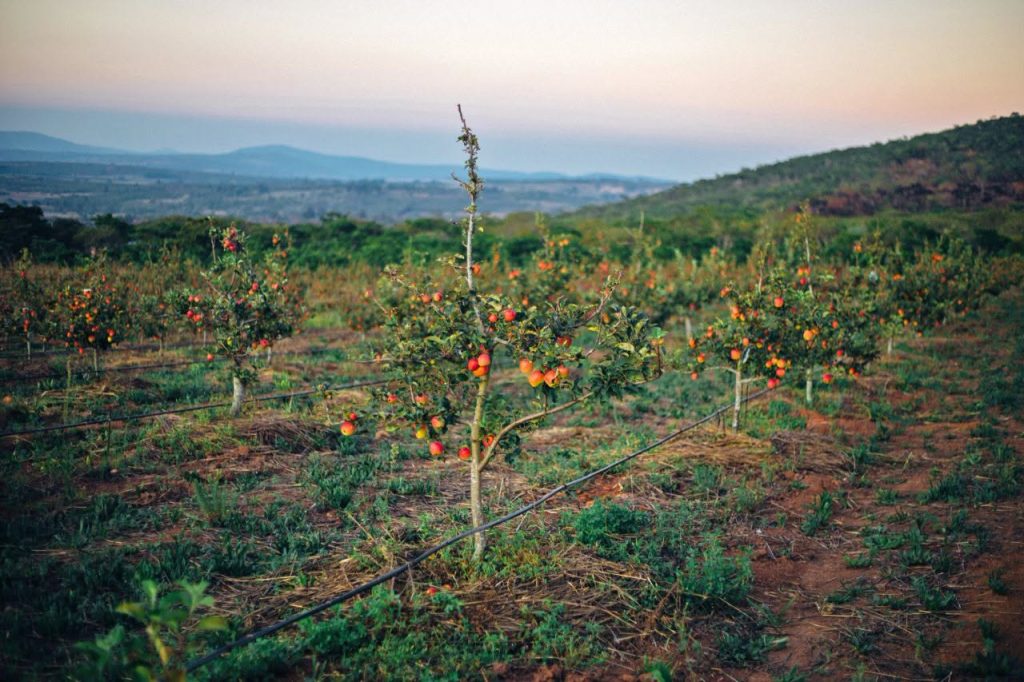
Grafted apple trees start bearing fruit early. You can see fruit in 9 to 12 months. Production increases as the trees get bigger. A mature dwarf tree can produce 20 to 40 kilograms of fruit per year. The best production is between years five and fifteen.
| Year | Expected Yield |
|---|---|
| Year 1-2 | 10 to 40 fruits per tree |
| Year 3-4 | 50 to 150 fruits per tree |
| Year 5 onwards | Up to 500 fruits per tree |
Harvesting
Different varieties are harvested at different times. Anna has two harvests per year. Some varieties have three harvests. The fruit is ready when it has developed full colour and comes off the tree easily with a gentle twist. Apples bruise easily, so handle them gently and use padded containers.
Post-Harvest
Some varieties store well for a long time. This gives you flexibility in selling. For longer storage, keep apples in cool conditions. The ideal temperature is 0 to 4 degrees Celsius with high humidity. Under normal conditions, shelf life is 2 to 4 weeks.
Profitability of Apple Farming in Kenya
Money from One Tree
A mature tree produces 200 to 500 fruits per year. At farm gate price of Sh30 to Sh100 per fruit, each tree earns Ksh6,000 to Ksh50,000 per year.
Money from One Acre
With 450 trees per acre at 4m by 4m spacing, an acre produces 90,000 to 225,000 fruits per year. At Sh30 to Sh100 per fruit, gross revenue is Ksh2.7 million to Ksh22.5 million per acre per year. With high density of 650 trees per acre at 4m by 3m spacing, the production is even higher.
Cost of Starting
| Item | Estimated Cost (KES) |
|---|---|
| Seedlings (450 at Ksh500 each) | 225,000 |
| Land Preparation | 20,000 – 40,000 |
| Manure and Compost | 20,000 – 30,000 |
| Planting Labour | 10,000 – 20,000 |
| Staking/Trellis Support | 30,000 – 50,000 |
| Irrigation Equipment | 30,000 – 50,000 |
| Total | 335,000 – 415,000 |
For high density planting at 650 trees per acre, the seedling cost is Ksh325,000. The total cost is higher but the returns are also higher due to more trees per acre.
Where to Buy Apple Seedlings
Fruit Africa Nurseries is a trusted source of high-quality grafted apple seedlings in Kenya. With locations in Murang’a, Nairobi, and Embu, the nursery serves farmers across the country. The company offers KEPHIS-certified seedlings that are properly grafted onto M9 rootstock. The seedlings are well-hardened and ready for transplanting.
At Fruit Africa Nurseries, we value farmers and their success. Our apple seedlings are grafted from elite mother trees onto superior rootstock, giving the tree disease resistance, early maturity, and high production capacity. We offer a wide selection of varieties including Anna, Pink Lady, Fuji, Wambugu, Granny Smith, Golden Dorsett, Winter Banana, Red Apple, Gala, and Braeburn.
Contact Fruit Africa Nurseries at +254714994444 or sales@fruitafrica.org to place your order or get more information about our products and services.
Frequently Asked Questions
What is M9 rootstock? M9 rootstock is a dwarfing rootstock that keeps the tree small. This makes the tree easier to manage and harvest. The trees also bear fruit earlier.
How much do grafted apple seedlings cost? Fruit Africa Nurseries sells grafted apple seedlings at Ksh500 each. Contact us for bulk pricing.
How many trees fit on one acre? At 4m by 4m spacing, about 450 trees fit per acre. For high density, at 4m by 3m, about 650 trees fit per acre.
How long does it take for apples to mature? Grafted trees start bearing fruit in 9 to 12 months. Full production is reached in 5 to 6 years.
How much can I earn from one acre? A well-managed acre can earn Ksh2.7 million to Ksh22.5 million per year depending on spacing and management.
What is the best soil for apples? Apples need deep, well-drained loamy soil. The pH should be between 6.0 and 7.0. Sandy loam soil is ideal.
What is the spacing for apples? The recommended spacing is 4m by 4m or 4m by 3m for high density.
How do I control pests on apples? Monitor your orchard regularly. Use pruning and sanitation. Apply chemical controls when necessary.
How do I control diseases on apples? Use resistant rootstocks. Ensure good drainage. Apply fungicides preventively when necessary.
Do apples need cross-pollination? Most apple varieties need another variety to pollinate them. You need at least two varieties that flower at the same time.
What are the best apple varieties for Kenya? Anna, Wambugu, Golden Dorsett, Winter Banana, Pink Lady, Fuji, Granny Smith, Gala, and Braeburn are good choices.
How long does an apple tree live? Apple trees can produce for more than 20 years with good management.
Do apples need irrigation? Irrigation is recommended during dry periods. The trees need consistent moisture for good yields.
What is the best time to plant apples? The best time is at the start of the rainy season. With irrigation, you can plant year-round.
Final Checklist
- Select the right location with suitable soil and climate conditions.
- Buy grafted apple seedlings from Fruit Africa Nurseries.
- Prepare the land with proper planting holes and organic matter.
- Plant at the start of the rainy season.
- Space correctly (4m by 4m or 4m by 3m for high density).
- Install staking or trellis support during planting.
- Water regularly during the establishment phase.
- Apply fertilizer and manure based on soil analysis.
- Control weeds through mulching.
- Prune annually to maintain tree shape.
- Monitor for pests and diseases regularly.
- Harvest when the fruit is fully ripe.
- Market your apples to supermarkets, hotels, or processors.


Reviews
There are no reviews yet.