

Description
Chestnut Seedlings in Kenya: Price, Varieties, Planting and Profit
Looking for chestnut seedlings in Kenya? Chestnuts are becoming more popular with Kenyan farmers. The nuts are sweet and tasty. They are used in roasting, baking, and making flour. People also eat them as snacks during cold weather. Farmers who want a long-term tree crop with good market potential are looking at this tree.
Fruit Africa Veriplant is a trusted source of high-quality chestnut seedlings in Kenya. With locations in Murang’a, Nairobi, and Embu, the nursery serves farmers across the country. They offer KEPHIS-certified seedlings that are well-hardened and ready for transplanting. Contact Fruit Africa Veriplant at +254714994444 or sales@fruitafrica.org for genuine, high-quality seedlings.
At Fruit Africa Veriplant, our chestnut seedlings are priced at Ksh1,000 each. This price reflects the superior quality of our seedlings and the extensive care we put into producing each plant. We understand that farmers invest money into their farms, and we want to give them seedlings that will produce them with high yields and quality nuts for many years.
What Are Chestnuts?
Chestnuts are nuts that come from chestnut trees. The trees belong to the Castanea genus. Chestnut trees are large deciduous trees that produce edible nuts. The nuts have a starchy texture and a sweet flavour that gets better when roasted.
Chestnuts are different from other nuts. They have less fat and more carbohydrates. This makes them a good source of energy. They can be roasted, boiled, or ground into flour. Chestnut flour is used in baking and cooking.
Chestnut trees are also known for their ornamental value. They have beautiful leaves and produce flowers in summer. The wood is durable and used in furniture making. This adds to the value of the tree beyond the nuts.
Chestnut Seedlings in Kenya
Chestnut seedlings in Kenya are becoming more common. Farmers are starting to grow this tree and sell the nuts. More people are asking for chestnut seedlings in Kenya because they have heard about the good prices this nut fetches.
When you buy chestnut seedlings in Kenya, always check for KEPHIS certification. This tells you the seedlings are clean and free from diseases. Also look at the roots. They should be white or light brown, not dark or rotten. The seedlings should be hardened before you take them to the field.
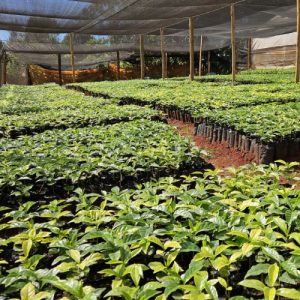
Fruit Africa Veriplant has good chestnut seedlings in Kenya. Our seedlings come from elite mother trees that produce well. This means your trees will have good genetics from the start. They will produce more nuts and stay healthier.
Our seedlings are grown in clean conditions. They are free from pests and diseases. They are also uniform, which means all your trees will grow at the same rate. This makes management easier because you can do everything at the same time.
The seedlings we sell are about 12 to 18 months old. They are ready for transplanting. The root system is well developed. The stem is straight and strong. The leaves are green and healthy.
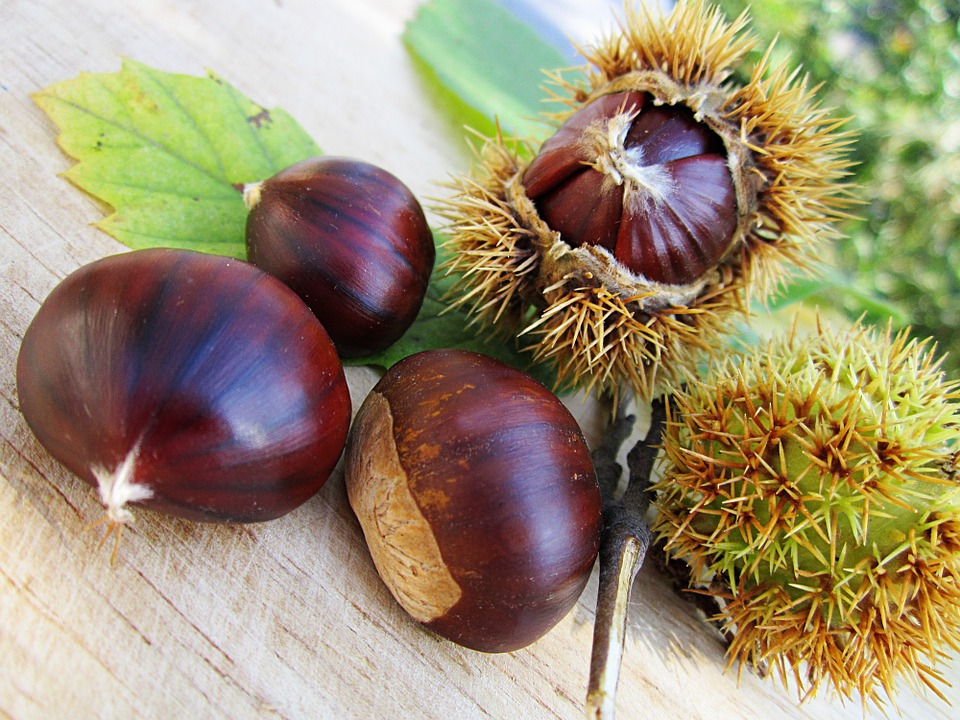
Chestnut Fruits in Kenya
Chestnut Seedlings Price in Kenya
The price of chestnut seedlings in Kenya depends on the nursery you buy from. At Fruit Africa Veriplant, our chestnut seedlings are priced at Ksh1,000 each. This is a fair price for KEPHIS-certified seedlings that are well-rooted and hardened.
| Item | Details |
|---|---|
| Crop | Chestnut |
| Seedling price | Ksh 1,000 |
| Available varieties | European Chestnut, Chinese Chestnut, Hybrid Varieties |
| Suitable areas | Central Highlands, Rift Valley, Eastern Highlands |
| Soil pH | 5.5 to 6.5 |
| Recommended spacing | 8m x 8m |
| Population per acre | 60 to 70 trees |
| Irrigation | Recommended during dry periods |
| First production | 5 to 7 years after planting |
When you compare chestnut seedlings price in Kenya, think about quality. Cheap seedlings may not be certified. They may have poor genetics. This leads to low yields and more disease problems. The chestnut seedlings price in Kenya from Fruit Africa Veriplant gives you value for money.
Our chestnut seedlings price in Kenya is Ksh1,000 each. This is for well-rooted, hardened, KEPHIS-certified seedlings. We deliver to farmers across the country. Contact us for bulk pricing.
If you buy 500 or more seedlings, we give a discount. Call us to discuss your order. We also offer after-sales support to help you get the most from your chestnut farm.
Chestnut Varieties Available in Kenya
There are several chestnut varieties that can grow well in Kenya. Each variety has different characteristics.
European Chestnut
European chestnut is also known as sweet chestnut. It produces large, sweet nuts that are good for roasting. The tree grows well in highland areas. It needs well-drained soils and moderate temperatures. This variety is popular in Europe and is now being grown in Kenya.
Chinese Chestnut
Chinese chestnut is known for its resistance to chestnut blight. This is a disease that has affected chestnut trees in many parts of the world. The tree produces medium-sized nuts with good flavour. It is a good choice for farmers who want a disease-resistant variety.
Hybrid Varieties
Hybrid varieties combine the best traits of different chestnut species. They often have good disease resistance and produce large nuts. Hybrids are gaining popularity among commercial farmers. They are bred for high yields and good nut quality.
American Chestnut
American chestnut was once a dominant tree in North America. It was nearly wiped out by chestnut blight. Scientists have been working to develop blight-resistant American chestnut trees. These are now being planted in some areas.
Chestnut Spacing and Population Per Acre
Spacing is important for chestnut farming. The recommended spacing depends on the variety and the soil fertility.
The recommended spacing is 8 metres between rows and 8 metres between plants. This gives you about 60 to 70 trees per acre. This spacing allows the trees to develop their canopies without overcrowding.
The calculation is simple. One acre has about 4,047 square metres. At 8 by 8, each tree gets 64 square metres. Divide 4,047 by 64 and you get approximately 63 trees.
Some farmers use wider spacing of 9 metres by 9 metres. This gives about 50 trees per acre. Wider spacing is suitable for areas with lower fertility or where trees are expected to grow large.
| Spacing | Population per Acre | Suitability |
|---|---|---|
| 8m x 8m | 60 to 70 trees | Standard recommendation |
| 9m x 9m | 50 trees | Wider spacing |
| 7m x 7m | 80 to 85 trees | High density |
Where Chestnuts Grow Best in Kenya
Chestnuts grow in many parts of Kenya. They do best in cool, highland areas. They need good rainfall and well-drained soils.
Central Highlands: Kiambu, Murang’a, Nyeri, Kirinyaga. These places have good weather for chestnuts. The altitude is between 1,500 and 2,500 meters.
Rift Valley: Nakuru, Laikipia, Kericho. The weather here is also good for this tree. The cool temperatures help the trees grow well.
Eastern Highlands: Meru, Embu. These areas have suitable conditions for chestnut farming.
The best altitude for chestnuts is 1,500 to 2,500 meters above sea level. The tree can grow at lower and higher elevations if the conditions are right.
Climate Requirements
Chestnuts like cool to moderate weather. The best temperature is between 15 and 25 degrees Celsius. The tree can handle short periods of cold weather but does not grow well in hot, dry areas.
Rainfall should be between 1,000 and 1,500 mm per year. The tree needs consistent moisture but cannot handle waterlogged soil. In areas with lower rainfall, irrigation is needed.
The tree needs full sunlight for good production. Plant it in an open area where it gets 6 to 8 hours of direct sunlight.
Soil Requirements
Chestnut trees grow in many soil types. Sandy loam and loamy soils are best. The soil should be deep and well-drained. The best soil pH is between 5.5 and 6.5.
Add manure or compost to improve the soil. The tree does not need deep soil but the drainage must be good. Waterlogging will kill the tree. Avoid areas where water stays after rain because the roots will rot.
Test your soil before planting. This helps you know the pH and nutrient levels. You can then add what the soil needs.
Land Preparation
Clear the land first. Remove weeds, rocks, and anything else that could get in the way. Plough the land to break up the soil. Make sure water can drain away.
Test your soil before planting. This tells you the pH and nutrient levels. You can then add what the soil needs.
If the soil is too acidic, add lime. If the soil is too alkaline, add sulphur. Follow the recommendations from the soil test.
Chestnut Planting Hole Size
Dig holes that are 60 centimetres deep, 60 centimetres wide, and 60 centimetres long. This gives the roots room to spread. Mix the topsoil with 20 kilograms of manure. Add 200 grams of DAP or NPK 17:17:17 per hole. Put this mixture back into the hole before planting.
The hole should be ready before the rainy season starts. This gives the soil time to settle.
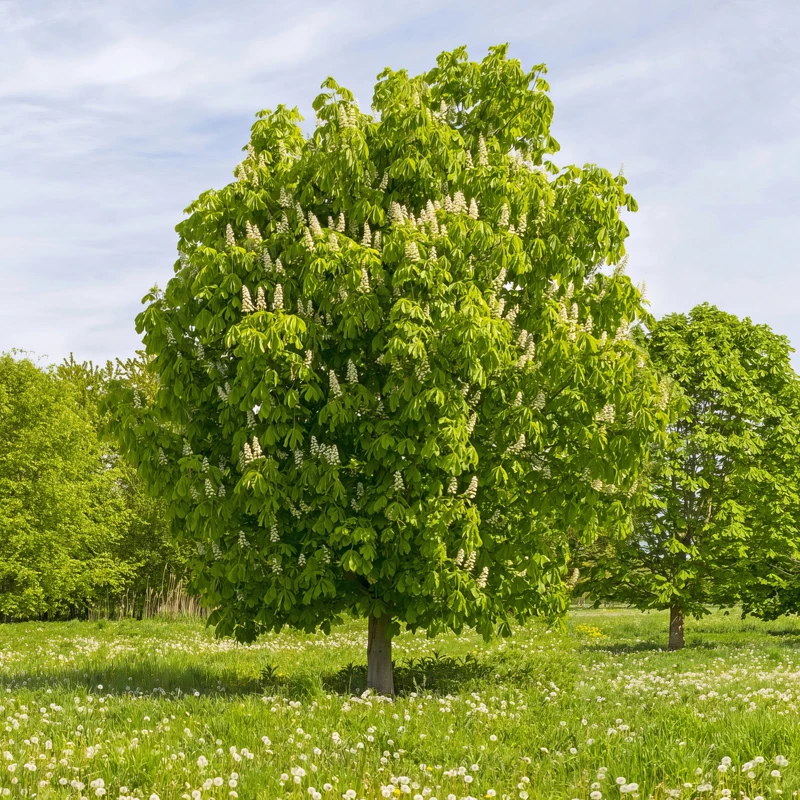
How to Plant Chestnut Seedlings
Plant the seedlings at the same depth they were in the nursery. The root collar should be at the same level as the soil surface. Firm the soil around the roots. Water immediately after planting. Put mulch around the plant to keep the soil moist.
Remove the plastic bag carefully. Do not break the root ball. If the roots are circling, loosen them gently.
Best Time to Plant
The best time to plant chestnuts is during the rainy season. March to May or October to November are good times. The rain gives the seedlings water to establish themselves. If you have irrigation, you can plant anytime.
Avoid planting during the dry season. The seedlings will struggle without water.
Irrigation Requirements
Young trees need regular water for the first three years. Water weekly during dry spells. Give each tree 20 to 30 litres of water. Mature trees can handle dry periods but they produce better with consistent moisture.
Drip irrigation saves water and works well. Mulching also helps retain moisture.
Fertilizer Requirements
Apply fertilizer twice a year. Do it at the start of the rainy season and again three months later.
For young trees: Apply 100 grams of CAN per tree each time. Add 10 to 20 kilograms of manure per tree per year.
For mature trees: Apply 200 to 250 grams of NPK 17:17:17 per tree each time during the rainy seasons. Add 20 to 30 kilograms of manure per tree per year. Potassium helps with nut quality.
Spread the fertilizer around the tree. Do not put it directly on the stem. Water after applying fertilizer.
Mulching
Put organic mulch around the base of the tree. Use wood chips, dry grass, or coffee husks. Mulch keeps moisture in the soil. It also stops weeds from growing. As it breaks down, it adds nutrients to the soil. Keep the mulch away from the stem to prevent rot.
Apply mulch twice a year. Add more when it breaks down.
Weed Control
Weeds compete with your trees for water and nutrients. They also bring pests and diseases. Keep the area around trees weed-free for the first three years. Mature orchards need regular weeding.
You can weed by hand or use a hoe. Be careful not to damage the shallow roots. Mulching also helps control weeds.
Pruning
Pruning shapes the tree and encourages new growth. It also improves air circulation and light penetration. Prune every year during the dry season. Remove dead, diseased, or crossing branches. Thin the canopy to let light in. Keep the tree height manageable for harvesting.
Use sharp pruning tools. Clean them between trees to prevent disease spread.
Pests and Diseases
Common Pests
Chestnut Weevils: These insects lay eggs in the nuts. The larvae eat the nut from inside. Good orchard sanitation and proper storage help control them.
Aphids: These small insects attack young shoots and leaves. They cause distortion and stunted growth. Control with neem oil or insecticidal soap.
Scale Insects: These insects feed on plant sap. They weaken the tree. Control with horticultural oil or insecticides.
Common Diseases
Chestnut Blight: This is a fungal disease that affects chestnut trees. It causes cankers on branches and stems. It can kill the tree. Use resistant varieties like Chinese chestnut.
Phytophthora Root Rot: This disease is caused by waterlogged soils. It attacks the roots and kills the tree. Improve drainage and avoid overwatering.
Leaf Spot: This fungal disease causes spots on leaves. Control with appropriate fungicides.
Chestnut Maturity and Harvest
When Trees Bear Fruit
Chestnut trees start bearing nuts in 5 to 7 years after planting. Full production comes in 10 to 15 years. The trees continue producing for many decades. Chestnut trees can produce for 50 to 100 years.
When Nuts Are Ready
Chestnuts are ready when the burrs open and the nuts fall to the ground. The nuts should be brown and shiny. Harvest the nuts from the ground daily. Do not leave them on the ground for too long because they can rot or be eaten by animals.
Harvesting
Harvest chestnuts by hand from the ground. Wear gloves to protect your hands from the spiny burrs. Remove the nuts from the burrs carefully. Sort the nuts and remove any damaged ones. Store the nuts in a cool, dry place.
Chestnut Yield Per Tree
| Year | Expected Yield per Tree (kg) |
|---|---|
| Year 5-7 | 5 to 10 kg |
| Year 8-10 | 10 to 20 kg |
| Year 11+ | 20 to 30 kg |
A well-managed tree at peak production yields 20 to 30 kilograms per tree annually.
Chestnut Yield Per Acre
At 65 trees per acre, a well-managed farm can produce 1,300 to 1,950 kilograms of chestnuts per acre per year at peak production.
Chestnut Farming Cost Per Acre
| Item | Estimated Cost (KES) |
|---|---|
| Seedlings (65 at Ksh1,000 each) | 65,000 |
| Land Preparation | 20,000 – 50,000 |
| Soil Testing | 5,000 – 10,000 |
| Manure and Compost | 20,000 – 30,000 |
| Planting Labour | 10,000 – 20,000 |
| Irrigation Equipment | 30,000 – 50,000 |
| Mulching Material | 10,000 – 15,000 |
| Fertilizer (first year) | 15,000 – 25,000 |
| Pest and Disease Control | 10,000 – 20,000 |
| Total Establishment Cost | 185,000 – 285,000 |
Chestnut Farming Profit Per Acre
| Scenario | Yield (kg) | Price (KES/kg) | Revenue (KES) | Costs (KES) | Profit (KES) |
|---|---|---|---|---|---|
| Low | 1,300 | 400 | 520,000 | 185,000 | 335,000 |
| Average | 1,600 | 500 | 800,000 | 235,000 | 565,000 |
| High | 1,950 | 600 | 1,170,000 | 285,000 | 885,000 |
Chestnut Market in Kenya
The chestnut market in Kenya is growing. There are opportunities in many places.
Fresh Nuts: You can sell fresh chestnuts in local markets and supermarkets. People buy them for roasting during cold weather.
Processed Nuts: Chestnuts can be roasted, boiled, or ground into flour. Processors buy large amounts.
Export: There is demand for chestnuts in Europe and other markets. Kenyan chestnuts can compete because of quality.
Value-Added Products: You can make chestnut flour, roasted chestnuts, and other products. These sell at higher prices.
How to Find Buyers
Approach supermarkets with samples of your nuts. Show them what you have. Give them your contact details.
Hotels and restaurants use chestnuts in their dishes. Approach them directly.
Join farmer groups. Cooperatives can help you find buyers. They also help with aggregation.
Use online platforms. There are places where farmers connect with buyers.
Frequently Asked Questions
What is the price of chestnut seedlings in Kenya? The price is Ksh1,000 each from Fruit Africa Veriplant.
Where can I buy chestnut seedlings in Kenya? You can buy from Fruit Africa Veriplant in Murang’a, Nairobi, and Embu. Call +254714994444 or email sales@fruitafrica.org.
How many chestnut seedlings do I need for one acre? You need about 60 to 70 at 8m by 8m spacing.
What is the spacing for chestnut seedlings? Use 8 metres between rows and 8 metres between plants.
Which areas in Kenya are best for chestnuts? Central Highlands, Rift Valley, and Eastern Highlands.
How long do chestnut seedlings take to mature? They start bearing nuts in 5 to 7 years. Full production comes in 10 to 15 years.
What soil pH do chestnut seedlings need? They need pH between 5.5 and 6.5.
Are chestnut seedlings profitable in Kenya? Yes. A well-managed farm can earn Ksh520,000 to Ksh1.17 million per acre per year.
What is another name for chestnut? Chestnut is also called Castanea in some regions.
Can chestnut grow in hot areas? No, chestnuts need cool to moderate weather.
Get Chestnut Seedlings in Kenya
Ready to start your chestnut farm? Get chestnut seedlings in Kenya from Fruit Africa Veriplant. We offer KEPHIS-certified seedlings that are well-rooted, hardened, and ready for transplanting. Our seedlings are priced at Ksh1,000 each. We deliver to farmers across the country.
Contact Fruit Africa Veriplant at +254714994444 or sales@fruitafrica.org to place your order.




Reviews
There are no reviews yet.