
Description
Ripening Banana Seedlings in Kenya: Complete Guide to Varieties, Planting, and Profitability
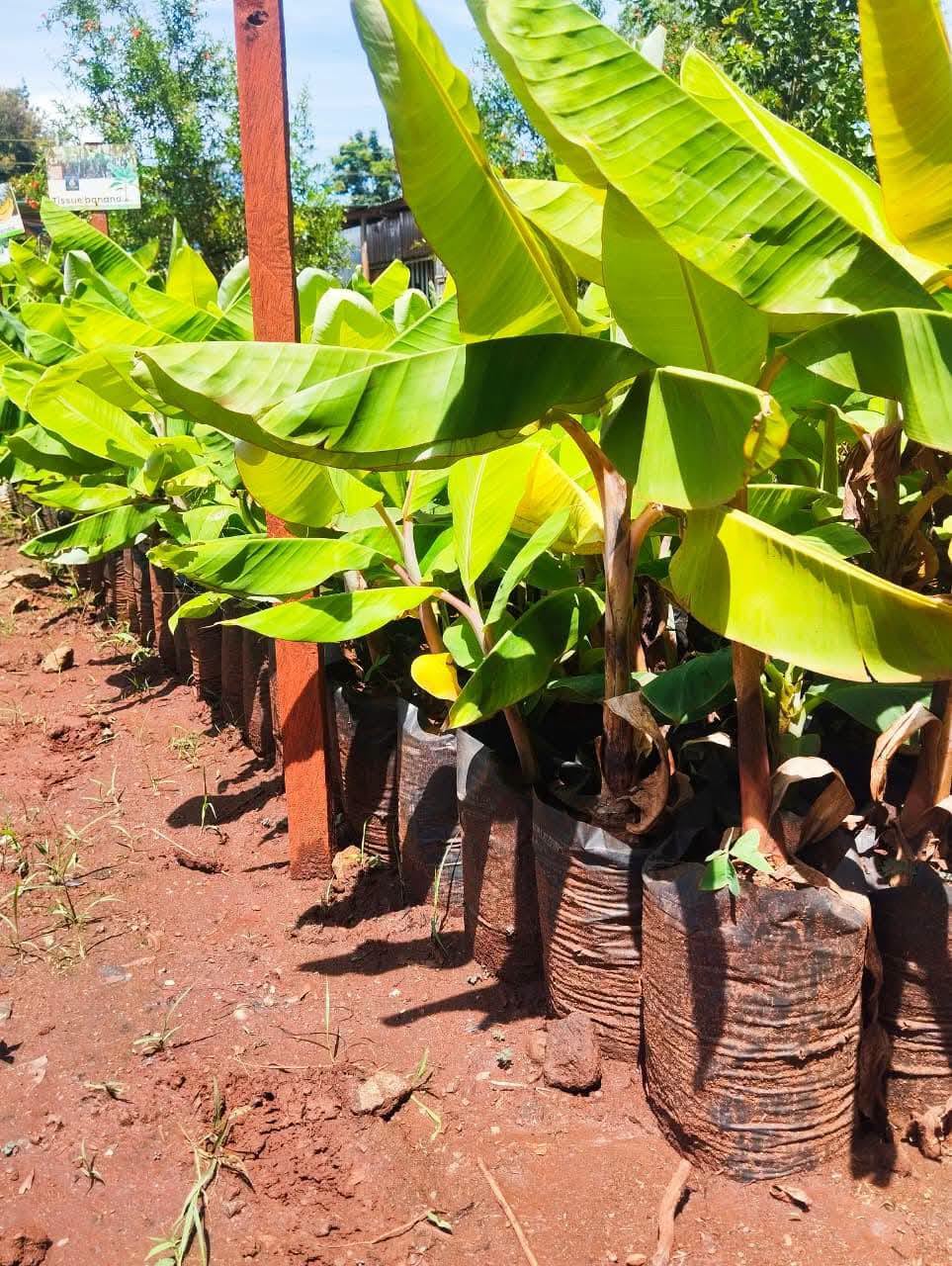
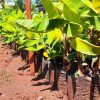
Banana farming in Kenya is changing. Farmers across the country are moving away from traditional suckers to tissue culture seedlings. The reason is simple. Tissue culture bananas produce more, grow faster, and are free from the diseases that plague traditional varieties. Among the most sought-after are ripening banana seedlings, which produce the sweet, yellow bananas that dominate local and export markets.
Fruit Africa Nurseries is a trusted source of high-quality tissue culture ripening banana seedlings in Kenya. With locations in Murang’a, Nairobi, and Embu, the nursery serves farmers across the country. They offer a wide range of improved banana varieties that have been propagated in sterile laboratories to ensure they are disease-free, uniform, and high-yielding. Contact Fruit Africa Nurseries at +254714994444 or sales@fruitafrica.org for genuine, hardened seedlings ready for planting.
Tissue culture banana seedlings are grown in sterile laboratories. Scientists take small pieces of plant tissue and grow them in special nutrient solutions under controlled conditions. This process produces many identical plantlets that are free from pests and diseases. The plantlets are then hardened in nurseries before being sold to farmers for planting.
The main difference between tissue culture and traditional banana suckers is that tissue culture plants are clean. Traditional suckers often carry diseases like Panama wilt, nematodes, and banana weevils that reduce yields and eventually kill the plants. Tissue culture seedlings eliminate these problems from the start.
Tissue culture bananas also have other advantages. They grow uniformly, which makes management easier. They mature faster than traditional varieties, meaning quicker returns on investment. They produce larger bunches with more fingers, resulting in higher incomes for farmers. Their disease-free nature means fewer chemicals are needed during production, lowering costs and improving sustainability.
Ripening Banana Varieties Available at Fruit Africa Nurseries
Ripening bananas are the sweet bananas eaten fresh. They are distinguished from cooking bananas, which are eaten after boiling or frying. The most popular ripening banana varieties in Kenya include Grand Nain, Giant Cavendish, Mbogoya, Williams, FHIA-17, and FHIA-18.
Grand Nain
Grand Nain is one of the most commonly cultivated bananas worldwide. It is a Cavendish variety that produces large, sweet bunches. The fruit is eaten fresh and used in baking, fruit salads, and compotes. Grand Nain is highly sought after in local markets for its good flavour and high yields. It thrives in areas with well-distributed rainfall and moderate temperatures. It does well in the highlands of Central Kenya, the Rift Valley, and parts of Western Kenya.
Grand Nain bananas are known for their uniform fruit size and appealing taste. They are resistant to several common banana diseases and can yield up to 40 tonnes under optimal conditions. This variety thrives in well-drained soils with regular fertilization and irrigation.
Giant Cavendish
Giant Cavendish is another popular ripening variety. It produces large bunches with many fingers. The fruit is eaten fresh and is common in food markets. The outer skin is partially green when sold and turns yellow when it ripens. As it ripens, the starches turn to sugar making a sweeter fruit. When overripe, the skin turns black and the flesh becomes mushy. Giant Cavendish is high-yielding and disease-resistant.
This variety is characterized by large, curved bananas that have a thick peel and a creamy, sweet and firm flesh. It grows up to 6 metres in height. Giant Cavendish is considered a commercial favourite because it produces large bunches and has a relatively short time to maturity making it highly productive. Its large bananas weigh from about 40 to 60 kilograms per bunch under optimal conditions.
Mbogoya
Mbogoya, also known as Bogoya, is a popular ripening banana variety in Kenya. It is widely grown for the local market and is prized for its sweet taste and good shelf life. Mbogoya grows well in areas that are 1,200 to 1,600 meters above sea level, with seasonal rainfall averaging 1,200 millimeters and average temperatures of 25 degrees Celsius.
Williams
Williams is another Cavendish variety commonly grown in Kenya. It produces large, sweet bunches and is well suited for both local and export markets. It performs well in many parts of the country and is a reliable choice for commercial banana production. Williams is a high-yielding and disease-resistant hybrid.
FHIA-17
FHIA-17 is an improved banana cultivar developed by the FHIA Honduran Breeding Programme. It is a tissue-cultured banana that can produce 135 to 275 fingers and weigh up to 45 kilograms per hand under warm and humid growing conditions. On average, common banana varieties like Giant Cavendish top out at 35 kilograms.
FHIA-17 is resistant to common banana diseases such as Panama disease, Black leaf streak, Fusarium wilt, and Eumusae leaf spot. It is tolerant to diseases such as Sigatoka leaf spot and fungi like banana freckle disease, as well as banana weevils. This makes it a good choice for areas with high disease pressure.
FHIA-17 does best in areas with altitudes of 0 to 1,200 meters, rainfall of at least 2,000 millimeters per year well distributed throughout the year, temperatures around 28 degrees Celsius, though it is tolerant to colder temperatures than more common Cavendish varieties, well-drained soil, and a recommended planting density of 1,600 plants per hectare. FHIA-17 takes 12 months to fully mature and harvest, and 14 months in colder regions. When the fruits are ripe, the peel is pale yellow and its pulp is a light cream and smooth.
However, farmers should be aware that FHIA-17 can be heavy. Some farmers have reported FHIA-17 bananas that weigh up to 102 kilograms; if it is well fed the least it weighs is 80 kilograms. Their market is poor because their skin splits once they are nearly ripe. Improved bananas also present an added market challenge because they are heavy. Three fingers can weigh one kilogram, the equivalent of up to seven regular-sized bananas. This makes them hard to sell to retail outlets and hawkers who often sell bananas as pieces rather than on a kilogram basis.
FHIA-18
FHIA-18 is another improved banana cultivar from the FHIA breeding programme. It produces large, sweet bunches and is resistant to many common banana diseases. FHIA-18 is grown by farmers in various parts of the country and is well suited for both local and specialty markets. The variety produces good yields with proper management and is popular among farmers looking for disease-resistant options.
Comparing Ripening Banana Varieties
| Feature | Grand Nain | Giant Cavendish | Mbogoya | Williams | FHIA-17 | FHIA-18 |
|---|---|---|---|---|---|---|
| Type | Ripening | Ripening | Ripening | Ripening | Ripening | Ripening |
| Bunch Size | Large | Large | Good | Large | 45 kg max | Large |
| Disease Resistance | Moderate | Good | Moderate | Moderate | Excellent | Excellent |
| Maturity | 9-12 months | 9-12 months | 9-12 months | 9-12 months | 12-14 months | 12-14 months |
| Market | Local/Export | Local | Local | Local/Export | Local/Export | Local/Export |
| Best Altitude | 1200-1600m | 0-1800m | 1200-1600m | 1200-1600m | 0-1200m | 0-1200m |
Fruit Africa Nurseries: Your Source for Quality Seedlings
Fruit Africa Nurseries is a trusted supplier of tissue culture ripening banana seedlings in Kenya. With locations in Murang’a, Nairobi, and Embu, the nursery serves farmers across the country. They offer a wide selection of improved banana varieties propagated in sterile laboratories to ensure disease-free, uniform, and high-yielding plants.
The nursery provides KEPHIS-certified seedlings that have been properly hardened and are ready for planting. They also offer delivery services to various parts of the country. Contact them at +254714994444 or sales@fruitafrica.org to place your order or get more information about their products and services.
Farmers should always ask for KEPHIS certification confirmation when buying seedlings. It is also wise to make sure the seedlings have been hardened (acclimatised) before delivery, and to ask each supplier about their hardening process. Confirm that the supplier delivers to your specific county.
Where to Plant Ripening Bananas
Climate Requirements
Ripening bananas thrive in warm, humid conditions. The best areas have temperatures between 20 and 30 degrees Celsius. Rainfall should be well distributed throughout the year, with at least 1,000 to 1,200 millimeters annually. Bananas do not tolerate drought well and need consistent moisture for good growth and production.
The altitude for ripening varieties should be between 1,200 and 1,600 meters above sea level. Some varieties like FHIA-17 can grow at lower altitudes, from 0 to 1,200 meters. Higher altitudes with cooler temperatures may slow growth and delay maturity.
Soil Requirements
Bananas need deep, well-drained soils that are rich in organic matter. The soil pH should be between 5.5 and 6.5. Sandy loam soils are ideal, but bananas can grow in a range of soil types as long as drainage is good and nutrients are adequate.
Soil testing is recommended before planting to determine nutrient status and pH. Organic matter should be incorporated into the planting holes to improve soil structure and provide nutrients. Regular mulching helps conserve soil moisture and adds nutrients as the mulch decomposes.
Best Counties for Ripening Banana Farming
Bananas can be grown in many parts of Kenya. The leading counties for banana production include Kisii, Kakamega, Bungoma, Meru, Murang’a, Embu, Nyeri, Kerio Valley, Kericho, Baringo, Kirinyaga and the coastal region. They can also be grown in drier areas such as Kitui, Machakos, and Makueni Counties under irrigation.
Western Kenya is one of the most productive banana-growing regions. The fertile soils and reliable rainfall support good yields. Farmers in Bungoma, Kakamega, and Kisii have successfully grown ripening varieties and earn good incomes.
Central Kenya also has good potential for banana farming. Murang’a, Nyeri, and Kirinyaga have suitable climates and soils. The proximity to Nairobi makes it easy to access markets.
Eastern Kenya counties like Embu and Meru also produce good bananas. The highland areas have suitable conditions for ripening varieties.
How to Plant Ripening Banana Seedlings
Spacing
The correct spacing is important for maximizing production and minimizing disease. The recommended spacing for tissue culture bananas is 3 meters by 3 meters or 2.5 meters by 3 meters. At 3 by 3 meters, approximately 450 plants fit per acre. At 2.5 by 3 meters, approximately 540 plants fit per acre.
Closer spacing increases the number of plants per acre but requires more intensive management. Wider spacing allows for more air circulation, which reduces disease pressure.
Hole Preparation
Prepare square holes that are 3 feet by 3 feet by 3 feet. Separate the top soil from the subsoil. Mix 2 wheelbarrows of well-decomposed farmyard manure per hole. Add 200 grams of DAP or TSP fertilizer. Add nematicide to control nematodes. Mix everything thoroughly and put it back into the hole up to 2 feet deep.
Planting
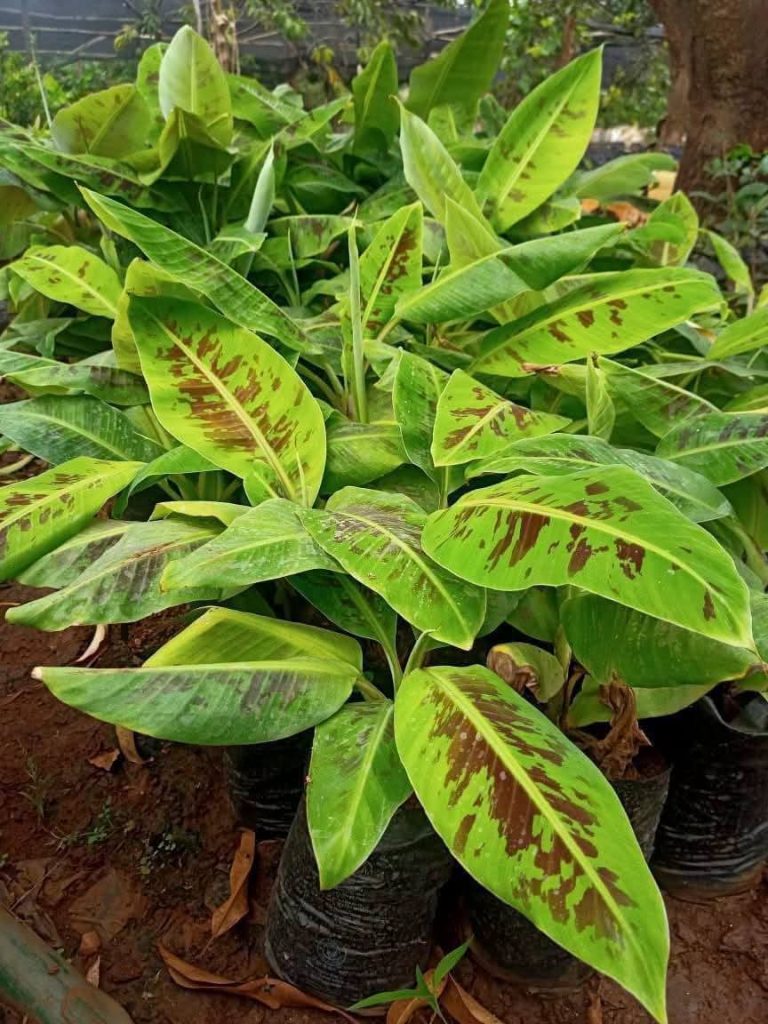
Cut the plastic bag holding the seedling carefully. Ensure the root plug does not break. Plant the seedling firmly in the prepared hole. Pour 40 liters of water at planting. Mulch around the seedling with dry grass, keeping it 6 inches away from the plant.
Watering
Water the seedlings regularly during the establishment phase. Once established, water weekly with 20 liters per plant during dry periods. Irrigation is important in areas with unreliable rainfall. Drip irrigation is the most efficient system for bananas.
Mulching
Mulching is essential for banana production. It conserves soil moisture, suppresses weeds, and provides nutrients as it decomposes. Apply dry grass or other organic mulch around the plant, keeping it 6 inches away from the stem.
Intercropping
Bananas can be intercropped with other crops to maximize land use. Leguminous crops such as beans are good options because they fix nitrogen and improve soil fertility. The beans should be planted in the spaces between the banana plants.
Sucker Management
Suckers are the shoots that grow from the base of the banana plant. To maintain productivity, select 3 best suckers at any given time facing the eastern side where the sun is rising from to ensure there is enough sunlight for the plants. Remove unwanted suckers using a knife or destroy them with a kit.
Depending on the intensity of a farmer’s feeding program, suckers should not be more than five on each bed. Ideally, a bed should accommodate the mother plant and two suckers.
De-leafing
Remove old, diseased leaves using a knife. This improves air circulation and reduces disease pressure. It also makes the plant look cleaner and easier to manage. The chopped leaves can be left on the ground to provide nutrients for the next generation of banana plants.
Banana Management
Nutrition
Bananas are heavy feeders and need adequate nutrition for good production. Apply fertilizer regularly based on soil analysis. A typical program includes nitrogen, phosphorus, and potassium, with potassium being particularly important for fruit development.
Organic fertilizers like manure and compost are also important. They improve soil structure, provide slow-release nutrients, and encourage beneficial soil organisms. Apply manure annually around the base of the plant.
Pest and Disease Management
Bananas are susceptible to several pests and diseases. The major pests include banana weevils, nematodes, and aphids. The major diseases include Panama disease, Black leaf streak, Sigatoka leaf spot, and banana freckle disease.
Tissue culture seedlings are free from diseases at planting. However, they can become infected through contaminated tools, soil, or other means. Farmers should practice good sanitation and monitoring to protect their crops.
Panama disease is one of the most destructive banana diseases. It is caused by a fusarium fungus and spreads mostly through infected suckers and contaminated soil. There is no cure once it has set in. Prevention is key. Use clean planting material, practice crop rotation, and avoid spreading contaminated soil.
Harvesting
Bananas are harvested while they are still green. Wear protective gear and cut the fruit with a machete carefully. Avoid damaging the plant or the remaining suckers. The leaves of the harvested banana should be chopped and left on the ground to provide nutrients.
The time from when the banana fruit stem first appears to harvest is about 12 to 13 weeks. The actual time depends on the variety and growing conditions.
Ripening Bananas for Market
Bananas are often ripened artificially before being sold to consumers. Traditional methods include using banana leaves or other ethylene-releasing materials. These methods take 10 to 14 days to ripen bananas.
Modern ripening chambers use ethylene gas to ripen bananas in 3 to 4 days. This technology, which uses avocadoes or passion fruits as catalysts because they release ethylene gas, has been adopted by some farmer groups in Kenya. A group in Nyamira County uses a ripening chamber that takes 3 to 4 days to ripen bananas, earning them over Sh1,000 per bunch.
The chamber has three compartments. Avocadoes or passion fruits are placed in the lowest chamber, depending on the number of bananas to be ripened. The fruits produce ethylene gas, which causes the bananas to turn yellow. The group sells ripened bananas to traders from Kisumu, Kisii, Kericho, and other markets.
Profitability of Ripening Banana Farming
Tissue culture bananas earn farmers more than traditional varieties. A farmer in Nyamira County reported that a tissue culture bunch fetches between Sh1,000 and Sh1,500, while a local variety fetches between Sh400 and Sh700 depending on the size. The farmer sells a 80-kilogram bunch at Sh1,000, and by the time it reaches Nairobi and other towns, it fetches more than Sh1,500.
Another farmer in Kiambu County earns Sh100,000 a month from banana farming. He planted 40 seedlings of Mbogoya and Uganda Green tissue culture bananas. The farmer sells the bananas to local markets and earns a steady income throughout the year.
A mature well-grown tissue culture banana can have 2,000 banana fingers and weigh up to 80 kilograms. If sold green for cooking or ripening, it fetches between Sh1,100 and Sh1,300. But ripening it in a chamber for three days increases its value to above Sh3,000.
The high returns make banana farming an attractive option for farmers with suitable land. The initial investment in tissue culture seedlings is higher than traditional suckers, but the returns justify the cost.
Frequently Asked Questions
How much do tissue culture banana seedlings cost? The price ranges from Sh100 to Sh250 per seedling depending on the variety and supplier. Fruit Africa Nurseries offers competitive pricing for quality seedlings.
How many seedlings fit on one acre? At the recommended spacing of 3m by 3m, approximately 450 plants fit per acre. At 2.5m by 3m, approximately 540 plants fit per acre.
How long does it take for tissue culture bananas to mature? Most varieties take 9 to 12 months from planting to harvest. FHIA-17 takes 12 to 14 months in colder regions.
How much can I earn from one acre of bananas? Earnings depend on management and market prices. A well-managed acre can produce 18,000 to 25,000 kilograms per year, earning 300,000 to 700,000 KES or more annually.
Which banana variety is most profitable? Grand Nain and Giant Cavendish are popular for local and export markets. FHIA-17 offers high yields and disease resistance. The best variety depends on your location and market.
Can I grow bananas in dry areas? Yes, with irrigation. Bananas need consistent moisture for good production. Drip irrigation is efficient and can support production in drier areas.
How do I control Panama disease? Prevention is key. Use disease-free planting material, practice crop rotation, avoid spreading contaminated soil, and follow good sanitation practices. Remove and destroy infected plants immediately.
What is the best time to plant bananas? The best time is at the start of the long rains in March to April to reduce irrigation costs. In areas with irrigation, planting can be done year-round.
How long does it take to ripen bananas in a chamber? A ripening chamber takes 3 to 4 days to ripen bananas, compared to 10 to 14 days with traditional methods.
Do tissue culture bananas need fertilizer? Yes, they are heavy feeders and need adequate nutrition for good production. Apply fertilizer based on soil analysis.
How do I water bananas during dry periods? Provide 20 liters of water per plant per week during dry periods. Drip irrigation is the most efficient system.
Can bananas be intercropped with other crops? Yes, with leguminous crops like beans. This improves soil fertility and maximizes land use.
What causes banana rejection in the market? Poor quality, inadequate size, damage, and disease can lead to rejection. Good management practices reduce these risks.
How do I keep banana prices from falling during mango season? Plant your bananas to ripen at different seasons to avoid the main mango harvest. Bananas are lighter and sell for less during the rainy season and mango season.
What is the biggest market challenge for FHIA-17? FHIA-17 bananas can be very heavy. The skin splits once they are nearly ripe, making them hard to sell to retail outlets and hawkers who sell bananas as pieces rather than on a kilogram basis.
Final Checklist
- Select the right variety for your area.
- Buy tissue culture seedlings from Fruit Africa Nurseries.
- Prepare the land with proper planting holes and organic matter.
- Plant at the start of the rainy season.
- Space correctly (3m by 3m or 2.5m by 3m).
- Water regularly during the establishment phase.
- Apply fertilizer based on soil analysis.
- Manage suckers to maintain productivity.
- Control pests and diseases through good sanitation.
- Harvest when the fruit is mature.
- Market your bananas to wholesalers or directly to ripening chambers.


Reviews
There are no reviews yet.