
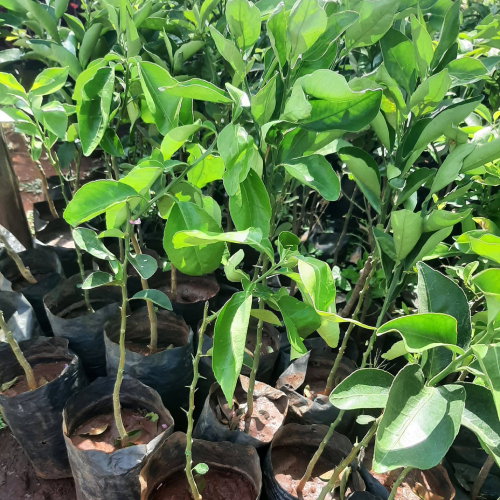
Description
Grafted Blood Orange Seedlings in Kenya: Price, Varieties, Planting and Profit
Looking for grafted blood orange seedlings in Kenya? Blood oranges are becoming more popular with Kenyan farmers. The fruit has a deep red flesh that looks like blood. The taste is sweet and slightly tart. People love the unique colour and flavour. They use them for juice, salads, and desserts. Farmers who want a high-value citrus variety with good market potential are looking at this fruit.
Fruit Africa Veriplant is a trusted source of high-quality grafted blood orange seedlings in Kenya. With locations in Murang’a, Nairobi, and Embu, the nursery serves farmers across the country. They offer KEPHIS-certified seedlings that are well-hardened and ready for transplanting. Contact Fruit Africa Veriplant at +254714994444 or sales@fruitafrica.org for genuine, high-quality seedlings.
At Fruit Africa Veriplant, our grafted blood orange seedlings are priced at Ksh500 each. This price reflects the superior quality of our seedlings and the extensive care we put into producing each plant. We understand that farmers invest money into their farms, and we want to give them seedlings that will reward them with high yields and quality fruit for many years.
What Are Blood Oranges?
Blood oranges are a variety of orange with a deep red flesh. The colour comes from anthocyanins, which are natural pigments. These pigments develop when the fruit gets cold nights during ripening. The red colour is what gives the fruit its name.
Blood oranges taste sweeter than regular oranges. They have a hint of raspberry or berry flavour. The juice is also red, which makes it popular for cocktails and desserts. The fruit has fewer seeds than other oranges, which makes it easy to eat.
Blood oranges are rich in vitamin C and antioxidants. They are also a good source of fibre and potassium. The unique colour and flavour make them popular in high-end restaurants and juice bars.

Grafted Blood Orange Fruits on a Branch.
Key Concepts for Grafted Blood Orange Seedlings
1. Grafting
Grafting is when you join two different plants together. The bottom part is the rootstock. The top part is the scion from a blood orange tree. This gives you the best of both plants. The rootstock gives the tree strong roots and disease resistance. The scion gives you the blood orange fruit you want. Grafted trees start producing fruit faster than seed-grown trees. They also produce better quality fruit.
2. Blood Orange Varieties
There are three main blood orange varieties you can grow in Kenya. Moro has the deepest red colour and is the most common. Tarocco has medium red flesh and is very sweet. Sanguinello has lighter red flesh and is also sweet. Each variety has its own strengths. Moro is best for juice. Tarocco is best for fresh eating. Sanguinello is a good all-rounder.
3. Spacing
Spacing is about how much room each tree gets. For blood oranges, the recommended spacing is 4 metres by 5 metres. This gives you 250 trees per acre. Proper spacing is important because it allows each tree to get enough sunlight, water, and nutrients. It also helps air to circulate, which prevents diseases.
4. Rootstock
The rootstock is the bottom part of the grafted tree. It determines how big the tree grows and how well it handles different soils. Good rootstock also gives the tree resistance to diseases. The rootstock is just as important as the top part of the tree.
5. Cold Nights for Colour
Blood oranges need cold nights to develop their red colour. The red comes from anthocyanins, which are natural pigments. These pigments only develop when the fruit gets cold nights during ripening. This is why blood oranges do best in areas with cool nights.
Best Practices for Grafted Blood Orange Seedlings
1. Buy Certified Seedlings
Always buy KEPHIS-certified seedlings. This ensures you are getting clean, disease-free plants. Certified seedlings have been inspected and verified to meet quality standards. They are also true to type, which means you get what you pay for.
2. Plant at the Right Time
Plant during the rainy season. March to May or October to November are good times. The rain gives the seedlings water to establish themselves. If you have irrigation, you can plant anytime. Avoid planting during the dry season.
3. Prepare the Soil Properly
Test your soil before planting. Add manure and compost to improve the soil. Make sure the soil drains well. Waterlogging will kill the trees.
4. Water Regularly
Young trees need regular water for the first two years. Water 2 to 3 times weekly during dry spells. Give each tree 20 to 30 litres of water. The most critical time for water is during flowering and fruit development.
5. Fertilize Correctly
Apply fertilizer twice a year. Do it at the start of the rainy season and again three months later. For young trees, apply 100 grams of CAN per tree each time. For mature trees, apply 200 to 250 grams of NPK 17:17:17 per tree each time.
6. Prune Annually
Prune every year after harvest. Remove dead, diseased, or crossing branches. Thin the canopy to let light in. Keep the tree height at 2.5 to 3 metres for easy harvesting.
7. Monitor for Pests and Diseases
Inspect your trees regularly. Look for signs of pests and diseases. Early detection is key to effective control. Use neem oil for organic control when possible.
Common Mistakes to Avoid
1. Planting in Waterlogged Areas
Blood oranges do not like wet feet. Waterlogging causes root rot and kills the tree. Make sure the soil drains well before planting.
2. Using Poor Quality Seedlings
Cheap seedlings may not be certified. They may have poor genetics or carry diseases. This leads to low yields and more disease problems. Always buy KEPHIS-certified seedlings.
3. Overwatering
Too much water can cause root rot. Water only when needed. Let the soil dry slightly between waterings.
4. Not Pruning
Unpruned trees become overcrowded. This leads to poor air circulation and more disease. Prune every year after harvest.
5. Ignoring Pests
Pests can destroy your harvest. Monitor your trees regularly. Take action early before the pests spread.
6. Harvesting Too Early
Blood oranges need to be fully ripe for the best colour and flavour. Wait until the skin turns orange and the flesh is deep red.
Actionable Tips for Success
1. Choose the Right Variety for Your Area
Moro does well in most areas. Tarocco is good for fresh eating. Sanguinello is a good all-rounder. Choose the variety that suits your market.
2. Space Correctly
Use 4 metres by 5 metres spacing. This gives you 250 trees per acre. Do not plant too close together.
3. Mulch to Retain Moisture
Put organic mulch around the base of the tree. Use wood chips, dry grass, or coffee husks. Mulch keeps moisture in the soil and stops weeds from growing.
4. Water During Critical Stages
The most critical time for water is during flowering and fruit development. Lack of water during these stages causes flowers to drop and fruit to be small.
5. Market Your Fruit Well
Blood oranges are unique. The red colour attracts customers. Sell to supermarkets, high-end restaurants, and juice processors. Consider exporting to the Middle East and Europe.
6. Join Farmer Groups
Farmer groups and cooperatives can help you find buyers. They also help with aggregation and negotiating better prices.
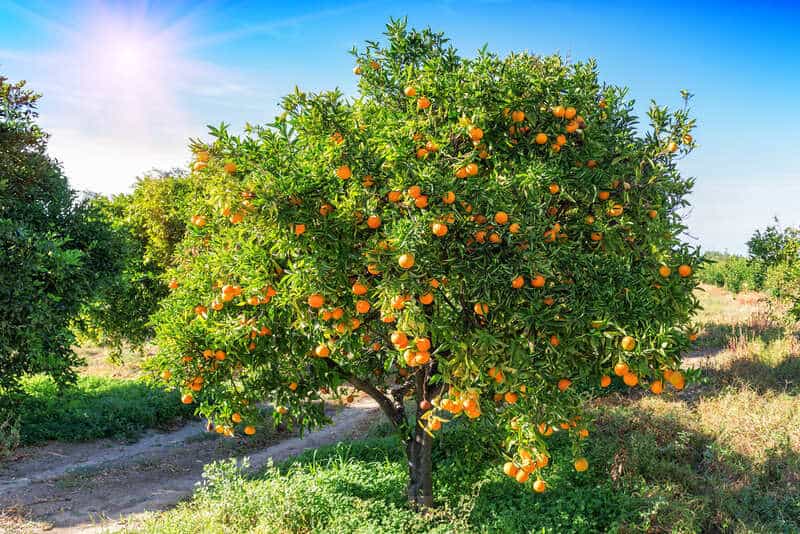
A mature blood orange tree from grafted blood orange seedlings supplied by Fruit Africa Veriplant
Grafted Blood Orange Seedlings in Kenya
Grafted blood orange seedlings in Kenya are becoming more common. Farmers are starting to grow this fruit and sell it. More people are asking for grafted blood orange seedlings in Kenya because they have heard about the good prices this fruit fetches.
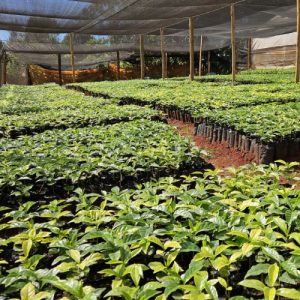
When you buy grafted blood orange seedlings in Kenya, always look for KEPHIS certification. This tells you the seedlings are clean and free from diseases. Also look at the roots. They should be white or light brown, not dark or rotten. The seedlings should be hardened before you take them to the field.
Fruit Africa Veriplant has good grafted blood orange seedlings in Kenya. Our seedlings come from elite mother trees that produce well. This means your trees will have good genetics from the start. They will produce more fruit and stay healthier.
Our seedlings are grown in clean conditions. They are free from pests and diseases. They are also uniform, which means all your trees will grow at the same rate. This makes management easier because you can do everything at the same time.
The seedlings we sell are about 6 to 12 months old. They are ready for transplanting. The root system is well developed. The stem is straight and strong. The leaves are green and healthy.
Grafted Blood Orange Seedlings Price in Kenya
The price of grafted blood orange seedlings in Kenya depends on the nursery you buy from. At Fruit Africa Veriplant, our grafted blood orange seedlings are priced at Ksh500 each. This is a fair price for KEPHIS-certified seedlings that are well-rooted and hardened.
| Item | Details |
|---|---|
| Crop | Grafted Blood Orange |
| Seedling price | Ksh 500 |
| Available varieties | Moro, Tarocco, Sanguinello |
| Suitable areas | Central, Eastern, Rift Valley, Coastal, Western |
| Soil pH | 5.5 to 7.0 |
| Recommended spacing | 4m x 5m |
| Population per acre | 250 trees |
| Irrigation | Recommended during dry periods |
| First production | 2 to 3 years after planting |
When you compare grafted blood orange seedlings price in Kenya, think about quality. Cheap seedlings may not be certified. They may have poor genetics. This leads to low yields and more disease problems. The grafted blood orange seedlings price in Kenya from Fruit Africa Veriplant gives you value for money.
Our grafted blood orange seedlings price in Kenya is Ksh500 each. This is for well-rooted, hardened, KEPHIS-certified seedlings. We deliver to farmers across the country. Contact us for bulk pricing.
If you buy 500 or more seedlings, we give a discount. Call us to discuss your order. We also offer after-sales support to help you get the most from your blood orange farm.
Blood Orange Varieties Available in Kenya
Moro
Moro is the most common blood orange variety. It has a deep red flesh and a sweet flavour. The colour is intense and consistent. This variety is good for juice and fresh eating. It is also the most widely grown blood orange in the world.
Tarocco
Tarocco is a popular blood orange variety. It has a medium red flesh and a sweet flavour. The fruit is large and has few seeds. This variety is good for fresh eating and juice. It is also known for its high vitamin C content.
Sanguinello
Sanguinello is another blood orange variety. It has a lighter red flesh and a sweet flavour. The fruit is medium-sized and has few seeds. This variety is good for fresh eating and juice.
Blood Orange Spacing and Population Per Acre
Spacing is important for blood orange farming. The recommended spacing is 4 metres between rows and 5 metres between plants. This gives you about 250 trees per acre.
The spacing calculation is simple. One acre has about 4,047 square metres. At 4 by 5, each tree gets 20 square metres. Divide 4,047 by 20 and you get approximately 250 trees.
| Spacing | Population per Acre | Suitability |
|---|---|---|
| 4m x 5m | 250 trees | Standard recommendation |
| 4m x 4m | 270 trees | Closer spacing |
| 5m x 5m | 170 trees | Wider spacing |
Where Blood Oranges Grow Best in Kenya
Blood oranges grow in many parts of Kenya. They need warm weather and good soil.
Central Kenya: Murang’a, Kiambu, Nyeri, Kirinyaga. These places have good weather for blood oranges.
Eastern Kenya: Machakos, Makueni, Embu, Meru. These areas have warm temperatures and are suitable.
Rift Valley: Nakuru, Kericho at lower altitudes. The weather here is also good for this tree.
Coastal Kenya: Kilifi, Kwale, Mombasa. The warm, humid weather suits the tree.
Western Kenya: Kakamega, Bungoma, parts of Kisumu. These areas have good rainfall and warm temperatures.
The best altitude for blood oranges is 0 to 1,500 meters above sea level. The tree can grow at lower and higher elevations as long as the weather is not too cold.
Climate Requirements
Blood oranges like warm weather. The best temperature is between 20 and 30 degrees Celsius. The tree can handle short periods of cool weather but frost will damage it.
Rainfall should be between 800 and 1,500 mm per year. The tree can handle short dry periods but does better with consistent moisture. If you live in a dry area, you will need to irrigate.
The tree needs full sunlight for good production. Plant it in an open area where it gets 6 to 8 hours of direct sunlight.
Soil Requirements
Blood orange trees grow in many soil types. Sandy soil, loamy soil, and clay soil all work as long as water drains away. The best soil pH is between 5.5 and 7.0.
Add manure or compost to improve the soil. The tree needs deep soil for good root development. Waterlogging will kill the tree. Avoid areas where water stays after rain because the roots will rot.
Test your soil before planting. This helps you know the pH and nutrient levels. You can then add what the soil needs.
Land Preparation
Clear the land first. Remove weeds, rocks, and anything else that could get in the way. Plough the land to break up the soil. Make sure water can drain away.
Test your soil before planting. This tells you the pH and nutrient levels. You can then add what the soil needs.
If the soil is too acidic, add lime. If the soil is too alkaline, add sulphur. Follow the recommendations from the soil test.
Blood Orange Planting Hole Size
Dig holes that are 60 centimetres deep, 60 centimetres wide, and 60 centimetres long. This gives the roots room to spread. Mix the topsoil with 20 kilograms of manure. Add 200 grams of DAP or NPK 17:17:17 per hole. Put this mixture back into the hole before planting.
The hole should be ready before the rainy season starts. This gives the soil time to settle.
How to Plant Grafted Blood Orange Seedlings
Plant the seedlings at the same depth they were in the nursery. The graft union should be 5 to 10 centimetres above the soil level to prevent rot. Firm the soil around the roots. Water immediately after planting. Put mulch around the plant to keep the soil moist.
Remove the plastic bag carefully. Do not break the root ball. If the roots are circling, loosen them gently.
Best Time to Plant
The best time to plant blood oranges is during the rainy season. March to May or October to November are good times. The rain gives the seedlings water to establish themselves. If you have irrigation, you can plant anytime.
Avoid planting during the dry season. The seedlings will struggle without water.
Irrigation Requirements
Young trees need regular water for the first two years. Water 2 to 3 times weekly during dry spells. Give each tree 20 to 30 litres of water.
The most critical time for water is during flowering and fruit development. Lack of water during these stages causes flowers to drop and fruit to be small. Mature trees can handle dry periods but they produce better with consistent moisture.
Drip irrigation saves water and works well. Mulching also helps retain moisture.
Fertilizer Requirements
Apply fertilizer twice a year. Do it at the start of the rainy season and again three months later.
For young trees: Apply 100 grams of CAN per tree each time. Add 10 kilograms of manure per tree per year.
For mature trees: Apply 200 to 250 grams of NPK 17:17:17 per tree each time during the rainy seasons. Add 20 to 30 kilograms of manure per tree per year. Potassium helps with fruit quality.
Spread the fertilizer around the tree. Do not put it directly on the stem. Water after applying fertilizer.
Mulching
Put organic mulch around the base of the tree. Use wood chips, dry grass, or coffee husks. Mulch keeps moisture in the soil. It also stops weeds from growing. As it breaks down, it adds nutrients to the soil. Keep the mulch away from the stem to prevent rot.
Apply mulch twice a year. Add more when it breaks down.
Weed Control
Weeds compete with your trees for water and nutrients. They also bring pests and diseases. Keep the area around trees weed-free for the first two years. Mature orchards need weeding every 2 to 3 months.
You can weed by hand or use a hoe. Be careful not to damage the shallow roots. Mulching also helps control weeds.
Pruning
Pruning shapes the tree and encourages new growth. It also improves air circulation and light penetration. Prune every year after harvest. Remove dead, diseased, or crossing branches. Thin the canopy to let light in. Keep the tree height at 2.5 to 3 metres for easy harvesting.
Use sharp pruning tools. Clean them between trees to prevent disease spread.
Pests and Diseases
Common Pests
Aphids: These small insects attack young shoots and leaves. They cause distortion and stunted growth. Control with neem oil or insecticidal soap.
Whiteflies: These small insects feed on the underside of leaves. They can transmit diseases. Control with yellow sticky traps or appropriate insecticides.
Scale Insects: These insects feed on plant sap, weakening the tree. Control with horticultural oil or insecticides.
Fruit Flies: These are a problem for blood orange farmers. They lay eggs in the fruit. The fruit becomes damaged and cannot be sold. Use pheromone traps. Keep the orchard clean.
Citrus Leaf Miner: This pest tunnels through young leaves, causing curling and distortion. Control with systemic insecticides or neem oil.
Common Diseases
Citrus Canker: This bacterial disease causes lesions on leaves, stems, and fruit. It can reduce yields and fruit quality. Use copper-based sprays and resistant varieties.
Citrus Greening (Huanglongbing): This bacterial disease is spread by psyllids. It causes yellowing, stunted growth, and bitter fruit. There is no cure. Control the psyllid vector and remove infected trees.
Root Rot: This happens when the soil stays too wet. Improve drainage. Do not overwater.
Powdery Mildew: This fungal disease appears as white powder on leaves. Control with sulphur-based fungicides. Improve air circulation by pruning.
Blood Orange Maturity and Harvest
When Trees Bear Fruit
Grafted blood orange trees start bearing fruit in 2 to 3 years. Full production comes in 4 to 5 years. The tree produces fruit once a year depending on weather.
How to Know When Fruit Is Ready
Blood oranges are ready when the skin turns orange and the flesh is deep red. The fruit should give slightly when you press it. Harvest with scissors or by hand. Handle the fruit carefully because it bruises easily.
Blood Orange Yield Per Tree
| Year | Expected Yield per Tree (kg) |
|---|---|
| Year 3 | 5 to 10 kg |
| Year 4 | 10 to 20 kg |
| Year 5+ | 20 to 30 kg |
A well-managed tree at peak production yields 20 to 30 kilograms per tree annually.
Blood Orange Yield Per Acre
At 250 trees per acre, a well-managed farm can produce 5,000 to 7,500 kilograms of fruit per acre per year at peak production.
Blood Orange Farming Cost Per Acre
| Item | Estimated Cost (KES) |
|---|---|
| Seedlings (250 at Ksh500 each) | 125,000 |
| Land Preparation | 20,000 – 50,000 |
| Soil Testing | 5,000 – 10,000 |
| Manure and Compost | 20,000 – 30,000 |
| Planting Labour | 10,000 – 20,000 |
| Irrigation Equipment | 30,000 – 50,000 |
| Mulching Material | 10,000 – 15,000 |
| Fertilizer (first year) | 15,000 – 25,000 |
| Pest and Disease Control | 10,000 – 20,000 |
| Total Establishment Cost | 245,000 – 345,000 |
Blood Orange Farming Profit Per Acre
| Scenario | Yield (kg) | Price (KES/kg) | Revenue (KES) | Costs (KES) | Profit (KES) |
|---|---|---|---|---|---|
| Low | 5,000 | 60 | 300,000 | 245,000 | 55,000 |
| Average | 6,000 | 80 | 480,000 | 295,000 | 185,000 |
| High | 7,500 | 100 | 750,000 | 345,000 | 405,000 |
Blood Orange Market in Kenya
The blood orange market in Kenya is growing. There are opportunities in many places.
Fresh Fruit: You can sell fresh fruits in local markets and supermarkets. The red colour attracts customers.
Juice: Blood oranges make excellent juice. The red colour is appealing. Juice processors buy large volumes.
High-End Restaurants: Blood oranges are used in cocktails, salads, and desserts. High-end restaurants buy them.
Export: There is growing demand in the Middle East and Europe. Prices are higher than domestic markets.
Value-Added Products: You can make marmalade, jam, and other products. These sell at higher prices.
How to Find Buyers
Approach supermarkets with samples of your fruit. Show them what you have. Give them your contact details.
Hotels and restaurants like blood oranges. Approach them directly. They often buy in bulk.
Join farmer groups. Cooperatives can help you find buyers. They also help with aggregation.
Use online platforms. There are places where farmers connect with buyers.
Frequently Asked Questions
What is the price of grafted blood orange seedlings in Kenya? The price is Ksh500 each from Fruit Africa Veriplant.
Where can I buy grafted blood orange seedlings in Kenya? You can buy from Fruit Africa Veriplant in Murang’a, Nairobi, and Embu. Call +254714994444 or email sales@fruitafrica.org.
How many grafted blood orange seedlings do I need for one acre? You need about 250 at 4m by 5m spacing.
What is the spacing for grafted blood orange seedlings? Use 4 metres between rows and 5 metres between plants.
Which areas in Kenya are best for blood oranges? Central, Eastern, Rift Valley, Coastal, and Western regions.
How long do grafted blood orange seedlings take to mature? They start bearing fruit in 2 to 3 years. Full production comes in 4 to 5 years.
What soil pH do blood orange seedlings need? They need pH between 5.5 and 7.0.
Are grafted blood orange seedlings profitable in Kenya? Yes. A well-managed farm can earn Ksh300,000 to Ksh750,000 per acre per year.
What is another name for blood orange? Blood orange is also known as raspberry orange in some places.
Can blood orange grow in hot areas? Yes, it grows well in warm areas.
Get Grafted Blood Orange Seedlings in Kenya
Ready to start your blood orange farm? Get grafted blood orange seedlings in Kenya from Fruit Africa Veriplant. We offer KEPHIS-certified seedlings that are well-rooted, hardened, and ready for transplanting. Our seedlings are priced at Ksh500 each. We deliver to farmers across the country.
Contact Fruit Africa Veriplant at +254714994444 or sales@fruitafrica.org to place your order.




Reviews
There are no reviews yet.