
Description
Blueberry Seedlings in Kenya: Price, Varieties, Planting and Farming Guide
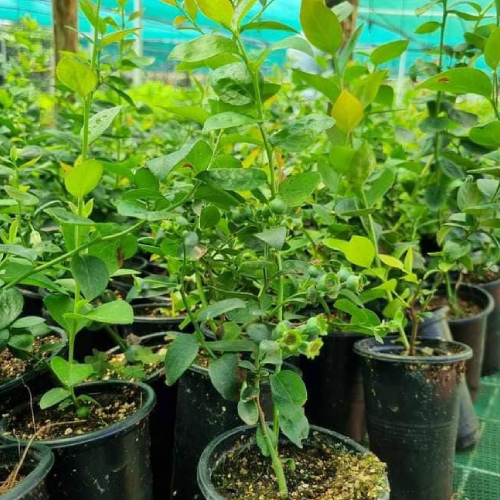
Looking for blueberry seedlings in Kenya? Choosing the right planting material is one of the first steps toward establishing a productive blueberry farm. Blueberries require suitable varieties, acidic soil, good drainage, reliable irrigation and proper orchard management.
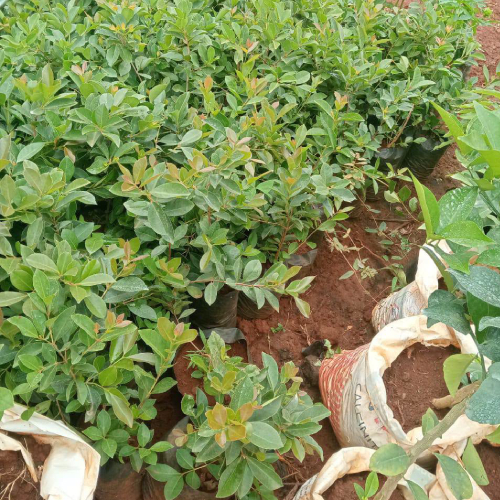
Farmers interested in blueberry farming should select healthy, well-rooted seedlings from a reliable nursery. The right seedlings give your farm a stronger start and help reduce establishment problems.
Fruit Africa Veriplant is a trusted source of high-quality blueberry seedlings in Kenya. With locations in Murang’a, Nairobi, and Embu, the nursery serves farmers across the country. They offer KEPHIS-certified seedlings that are well-hardened and ready for transplanting. Contact Fruit Africa Veriplant at +254714994444 or sales@fruitafrica.org for genuine, high-quality seedlings.
At Fruit Africa Veriplant, we take pride in offering only the best planting material to Kenyan farmers. Our blueberry seedlings are priced at Ksh3,500 each. This price reflects the superior quality of our seedlings, the advanced propagation techniques we use, and the extensive care we put into producing each plant. We understand that farmers invest a lot of money into their farms, and we want to give them seedlings that will reward them with high yields and quality fruit for many years.
Blueberry Seedlings in Kenya
Blueberry seedlings in Kenya are becoming more popular as farmers discover the potential of this high-value fruit. The demand for blueberry seedlings in Kenya has grown as more people realize that blueberries can thrive in our highland areas. Farmers looking for blueberry seedlings in Kenya should consider factors like variety selection, soil conditions, and nursery reputation.
When buying blueberry seedlings in Kenya, always look for KEPHIS certification. This ensures the seedlings are clean and free from diseases. Also check that the seedlings are well-rooted and hardened before transplanting. These factors determine the survival rate and eventual productivity of your farm.
Fruit Africa Veriplant offers some of the best blueberry seedlings in Kenya. Our seedlings are propagated from elite mother plants, giving them superior genetics. This means you get plants that are productive, disease-resistant, and adapted to local conditions. We have been supplying blueberry seedlings in Kenya for years and understand what farmers need to succeed.
Blueberry Seedlings Price in Kenya
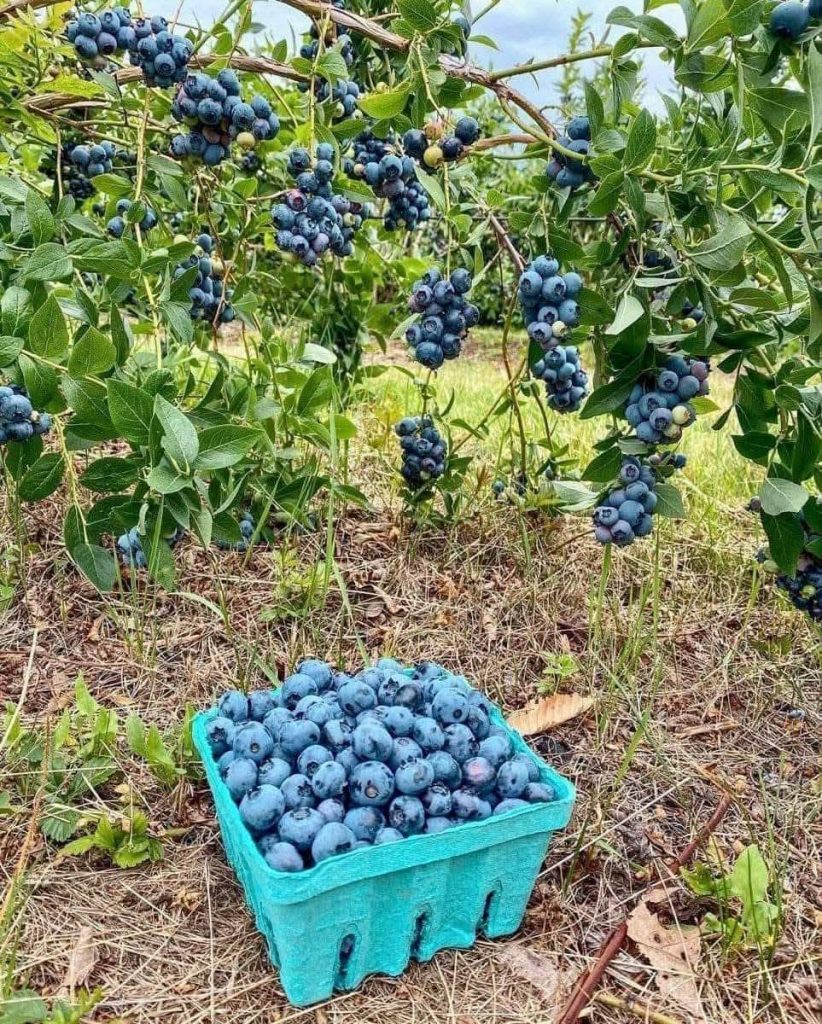
The price of blueberry seedlings in Kenya varies depending on the nursery, variety, and quality of the seedlings. At Fruit Africa Veriplant, our blueberry seedlings are priced at Ksh3,500 each. This is the current blueberry seedlings price in Kenya for premium, KEPHIS-certified planting material.
| Item | Details |
|---|---|
| Crop | Blueberry |
| Seedling price | Ksh 3,500 |
| Available varieties | Emerald, Jewel, Star, Misty, Bluecrop, Duke, Legacy |
| Suitable areas | Kenyan highland areas with suitable conditions |
| Soil pH | 4.5 to 5.5 |
| Recommended spacing | 2.5m × 1.5m, subject to variety and farm system |
| Irrigation | Recommended |
| First production | From around the second year, depending on plant and management |
When comparing blueberry seedlings price in Kenya, farmers should consider the quality of the seedlings. Cheaper seedlings may not be certified or may have poor genetics. This can lead to lower yields and more disease problems. The blueberry seedlings price in Kenya from Fruit Africa Veriplant reflects the superior quality we provide.
Our blueberry seedlings price in Kenya is Ksh3,500 each. This is for well-rooted, hardened, KEPHIS-certified seedlings. We offer delivery services to various parts of the country. Contact us for bulk pricing and delivery arrangements.
Where to Buy Blueberry Seedlings in Kenya
If you are wondering where to buy blueberry seedlings in Kenya, Fruit Africa Veriplant is your answer. We have locations in Murang’a, Nairobi, and Embu. This makes it easy for farmers from different regions to access our seedlings.
Where to buy blueberry seedlings in Kenya is a common question among new farmers. The best place to buy blueberry seedlings in Kenya is from a nursery that offers KEPHIS-certified seedlings. This ensures the planting material is clean and true to type.
When deciding where to buy blueberry seedlings in Kenya, look for a nursery with a good reputation. Ask about their propagation methods and mother plant sources. A good nursery will be transparent about their practices.
You can buy blueberry seedlings in Kenya directly from Fruit Africa Veriplant. We deliver seedlings to farmers across the country. Contact us at +254714994444 or sales@fruitafrica.org to place your order.
Blueberry Varieties Available in Kenya
Emerald
Emerald is a popular blueberry variety that does well in Kenyan highlands. It produces large, firm berries with a good flavour. The bush is vigorous and productive. It ripens early in the season, which is good for markets that want early fruit.
Jewel
Jewel is another good variety. It produces medium to large berries that are firm and sweet. The bush is upright and productive. It ripens in the middle of the season. It is a good choice for farmers who want to spread their harvest over a longer period.
Star
Star is a variety that produces large, sweet berries. The bush is vigorous and productive. It is known for its good flavour and firm texture. It ripens early and is a good choice for farmers who want to get their fruit to market early.
Misty
Misty is a variety that produces medium-sized berries with a good flavour. The bush is upright and productive. It is known for its good quality and consistent yields.
Bluecrop
Bluecrop is a reliable variety that produces medium-sized berries with a good flavour. The bush is vigorous and productive. It is a good choice for farmers who want a reliable variety that produces well.
Duke
Duke is an early-ripening variety that produces large, firm berries with a good flavour. The bush is upright and productive. It is a good choice for farmers who want to get their fruit to market early.
Legacy
Legacy is a variety that produces large, sweet berries. The bush is vigorous and productive. It is known for its good flavour and firm texture. It is a good choice for farmers who want high-quality fruit.
Comparing Blueberry Varieties
| Feature | Emerald | Jewel | Star | Misty | Bluecrop | Duke | Legacy |
|---|---|---|---|---|---|---|---|
| Berry Size | Large | Medium-Large | Large | Medium | Medium | Large | Large |
| Flavour | Good | Sweet | Sweet | Good | Good | Good | Sweet |
| Maturity | Early | Mid | Early | Mid | Mid | Early | Mid |
| Vigour | High | High | High | High | High | High | High |
| Best Use | Fresh | Fresh | Fresh | Fresh | Fresh | Fresh | Fresh |
How to Choose Quality Blueberry Seedlings
Choosing quality blueberry seedlings is important for the success of your farm. Here are some things to look for when selecting seedlings.
Check for Certification: Look for KEPHIS-certified seedlings. This ensures the seedlings are clean and free from diseases. Certified seedlings have been inspected and verified to meet quality standards.
Inspect the Roots: Good seedlings have well-developed root systems. The roots should be white or light brown, not dark or rotten. Avoid seedlings with root-bound or damaged roots.
Check the Stem: The stem should be straight and strong. It should be free from wounds, cracks, or disease symptoms. The graft union, if present, should be well healed.
Look at the Leaves: Healthy leaves are green and free from spots or discolouration. Yellowing or wilting leaves can indicate poor health or disease.
Consider the Age: Seedlings that are 6 to 12 months old are ideal for planting. Younger seedlings may be too delicate. Older seedlings may have become root-bound.
Ask About the Variety: Different varieties have different requirements. Make sure you are getting a variety that suits your area and market.
How Many Blueberry Seedlings Do You Need Per Acre?
The number of blueberry seedlings per acre depends on the spacing you choose. For blueberries, the recommended spacing is 2.5 metres between rows and 1.5 metres between plants. This gives about 1,000 to 1,200 seedlings per acre.
The number of blueberry seedlings per acre can vary depending on soil fertility, variety, and management intensity. Some farmers plant at higher densities to maximise production in the early years. However, this requires more intensive management and may lead to overcrowding.
The blueberry seedlings per acre calculation is straightforward. Multiply the number of rows per acre by the number of plants per row. For 2.5m by 1.5m spacing, you get approximately 1,000 to 1,200 seedlings per acre.
Blueberry Planting Spacing
Blueberry planting spacing is important for several reasons. Proper spacing allows good air circulation, which reduces disease risk. It also makes harvesting, pruning, and other management tasks easier.
The recommended blueberry planting spacing is 2.5 metres between rows and 1.5 metres between plants. This gives about 1,000 to 1,200 plants per acre.
Some farmers use a different blueberry planting spacing depending on their specific conditions. In more fertile areas, wider spacing may be used. In less fertile areas, closer spacing can help maximise production.
Where Do Blueberries Grow Best in Kenya?
Blueberries grow best in the highland areas of Kenya. Counties like Nyeri, Kiambu, Nakuru, Kericho, Meru, and Uasin Gishu have suitable conditions. These areas have cool temperatures, adequate rainfall, and well-drained soils.
The ideal altitude for blueberries is between 1,500 and 2,500 meters above sea level. This provides the cool temperatures that blueberries need. The ideal temperature range is 15 to 25 degrees Celsius.
Blueberries also need acidic soils with pH between 4.5 and 5.5. If your soil is not acidic enough, you need to amend it before planting. This is why soil testing is important before starting a blueberry farm.
Soil Requirements for Blueberry Seedlings
Soil requirements for blueberry seedlings are very specific. Blueberries need well-drained, acidic soils. The soil pH should be between 4.5 and 5.5. This is one of the most important factors for successful blueberry production.
If the pH is too high, blueberries cannot take up nutrients properly. This leads to nutrient deficiencies and poor growth. Soil testing is essential before planting.
Soil requirements for blueberry seedlings also include good organic matter content. Incorporate peat moss or well-decomposed pine bark into the planting holes. This improves soil structure and provides nutrients.
How to Plant Blueberry Seedlings
Land Preparation
Clear the land of weeds and debris. Plough the land to break up the soil. Remove any rocks or roots that could interfere with planting. Make sure the land is well-drained.
Soil pH Adjustment
Test your soil pH before planting. If the pH is above 5.5, you need to lower it. Use elemental sulphur or aluminium sulphate to acidify the soil. Apply the amendment several months before planting to give it time to work.
Hole Preparation
Dig holes that are 60 centimetres by 60 centimetres by 60 centimetres. This is deeper than for other fruits because blueberries need good root development. Separate the topsoil from the subsoil. Mix the topsoil with peat moss or well-decomposed pine bark. Mix everything well and put it back into the hole.
Planting
Plant the seedlings at the same depth as they were in the nursery. The crown of the plant should be at the same level as the soil surface. Firm the soil around the roots. Water immediately after planting. Mulch around the plant to conserve moisture.
Planting Time
The best time to plant blueberries is during the rainy season, preferably between March and June. This gives the plants enough water to establish themselves before the dry season. In areas with irrigation, planting can be done year-round.
How to Care for Blueberry Plants
Irrigation
Blueberries need consistent moisture, especially during flowering and fruiting. Drip irrigation is the most efficient system. It delivers water directly to the root zone and keeps the foliage dry.
Adjust the irrigation schedule according to soil type, rainfall, temperature, and plant development. During Kenya’s rainy seasons, irrigation requirements may drop substantially.
Fertilization
Blueberries need adequate nutrition for good production. Nitrogen is important for vegetative growth. Potassium is important for fruit development. Phosphorus contributes to root development.
Blueberries have specific nutrient requirements. They need ammonium nitrogen rather than nitrate nitrogen. Use fertilizers formulated for acid-loving plants.
Apply compost or well-rotted manure regularly. Supplement with a balanced fertilizer for acid-loving plants. Be careful not to apply excessive nitrogen.
Mulching
Mulching is very important for blueberries. Organic mulch helps reduce evaporation, suppress weeds, and moderate soil temperature. It also adds organic matter to the soil as it decomposes.
Apply dry grass, coffee husks, pine bark, or other organic mulch around the plants. Keep the mulch away from the plant crown to prevent excessive moisture and disease development.
Pruning
Pruning is essential for blueberry production. It removes old canes after fruiting to encourage new growth. It also thins overcrowded shoots to allow sunlight penetration.
Remove dead, damaged, or diseased canes regularly. This promotes healthy growth and fruiting. Prune after harvest to prepare the plants for the next season.
Pest and Disease Management
Monitor your orchard regularly. Inspect young shoots, leaves, flowers, and developing fruit regularly. Early detection is key to effective control.
Use organic sprays like neem oil or bio-pesticides when possible. Maintain good field hygiene and proper spacing to reduce disease spread. Remove diseased plant material promptly.
How Long Do Blueberry Seedlings Take to Produce?
Blueberry seedlings start bearing fruit in the second year after planting. The real harvest comes in years three and four. Production continues to increase as the plants mature.
The fruiting season lasts 2 to 3 months. This gives consistent cash flow over a longer period.
Blueberry Yield Per Acre
A well-managed acre can yield 8 to 10 tonnes of blueberries annually. At a farm gate price of Ksh800 to Ksh2,600 per kilogram, gross revenue is Ksh6.4 million to Ksh26 million per acre per year.
Blueberry Farming Cost Per Acre
| Item | Estimated Cost (KES) |
|---|---|
| Seedlings (1,000 at Ksh3,500 each) | 3,500,000 |
| Land Preparation | 20,000 – 50,000 |
| Soil Amendment (pH adjustment) | 30,000 – 50,000 |
| Manure and Compost | 30,000 – 50,000 |
| Planting Labour | 20,000 – 40,000 |
| Irrigation Equipment | 30,000 – 50,000 |
| Total | 3,630,000 – 3,740,000 |
Is Blueberry Farming Profitable in Kenya?
Yes, blueberry farming is profitable in Kenya. The fruit sells at high prices and there is strong demand. A well-managed acre can earn Ksh6.4 million to Ksh26 million per year. However, the initial investment is high. Farmers need to plan carefully and manage their orchards well to achieve profitability.
Blueberry Market in Kenya
The blueberry market in Kenya is growing. Supermarkets, juice processors, and hotels are always looking for fresh blueberries. There is also export potential to Europe, where demand for blueberries is strong.
The local market is not yet saturated. This means there is room for new farmers to enter the market and supply fresh, locally grown blueberries.
Frequently Asked Questions
What is the price of blueberry seedlings in Kenya? The price of blueberry seedlings in Kenya from Fruit Africa Veriplant is Ksh3,500 each. This is for KEPHIS-certified, well-rooted seedlings.
Where can I buy blueberry seedlings in Kenya? You can buy blueberry seedlings in Kenya from Fruit Africa Veriplant. We have locations in Murang’a, Nairobi, and Embu. Contact us at +254714994444 or sales@fruitafrica.org.
How many blueberry seedlings do I need for one acre? You need about 1,000 to 1,200 blueberry seedlings for one acre at 2.5m by 1.5m spacing.
Which blueberry variety is best for Kenya? Emerald, Jewel, Star, Misty, Bluecrop, Duke, and Legacy all do well in Kenya. The best variety depends on your specific location and market.
How long do blueberry seedlings take to mature? Blueberry seedlings start bearing fruit in the second year. Full production is reached in years three to four.
What soil pH do blueberry seedlings need? Blueberry seedlings need acidic soil with pH between 4.5 and 5.5.
What is the best spacing for blueberry seedlings? The best spacing for blueberry seedlings is 2.5m between rows and 1.5m between plants.
Are blueberry seedlings profitable in Kenya? Yes, blueberry seedlings are profitable in Kenya. A well-managed acre can earn Ksh6.4 million to Ksh26 million per year.
Get Blueberry Seedlings in Kenya
Ready to start your blueberry farm? Get blueberry seedlings in Kenya from Fruit Africa Veriplant. We offer KEPHIS-certified seedlings that are well-rooted, hardened, and ready for transplanting. Our seedlings are priced at Ksh3,500 each. We deliver to farmers across the country.
Contact Fruit Africa Veriplant at +254714994444 or sales@fruitafrica.org to place your order.


Reviews
There are no reviews yet.