
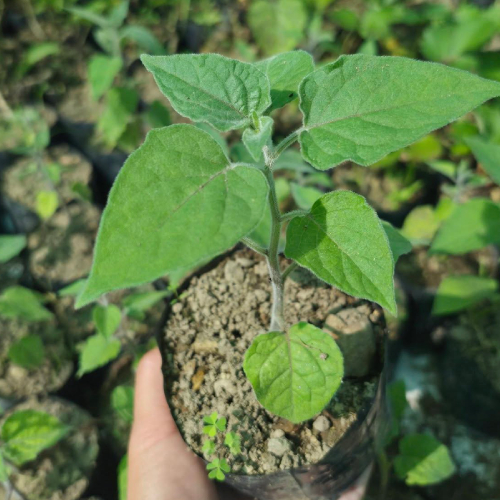
Description
Buy gooseberry seedlings in Kenya at Ksh 150 each from Fruit Africa Veriplant. Learn the best varieties, planting spacing, costs, and how much you can earn per acre. Call 0714 994 444.
Gooseberry Seedlings in Kenya: Price, Varieties, Spacing and Farming Guide
You are searching for gooseberry seedlings in Kenya. You want to know the price, the varieties available, where they grow, how many you need per acre, and how to order. Here are the answers before we go deeper.
Gooseberry seedlings from Fruit Africa Veriplant cost Ksh 150 each. We stock Cape gooseberry. We deliver countrywide. You call or WhatsApp 0714 994 444 to order or to ask for guidance.
The recommended spacing is 1 metre between rows and 1 metre between plants. That gives about 2,500 plants per acre. You plant at the start of the rains or anytime you have reliable irrigation.
Gooseberry grows in many counties in Kenya. It performs best in cool to warm areas with moderate rainfall and good drainage. Seedlings start fruiting in 12 to 14 weeks. A mature plant produces 4 to 5 kilograms per year and keeps producing for 2 to 3 years.
Now let us get into the details you need before you buy.
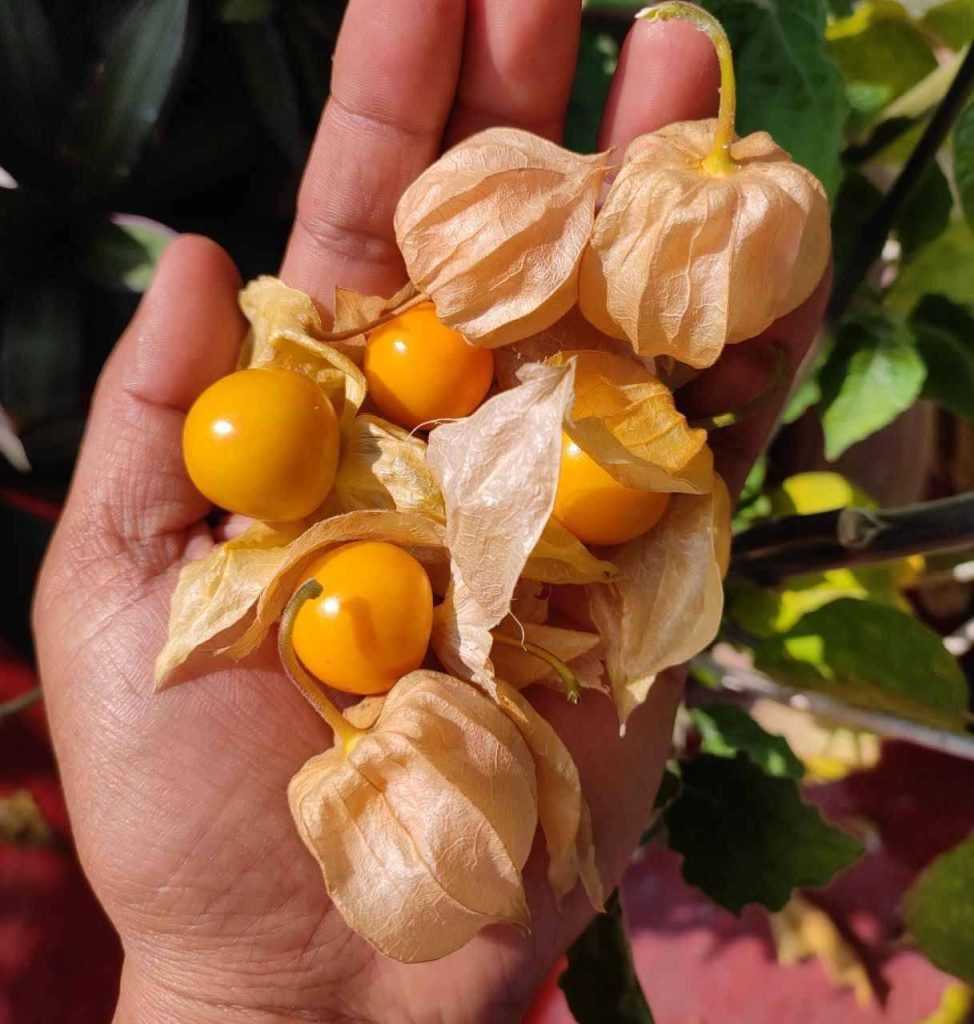
Gooseberry Fruits
Gooseberry Seedlings Price in Kenya
Gooseberry seedlings from Fruit Africa Veriplant cost Ksh 150 per rooted seedling. That price covers seedlings that are already rooted, hardened, and ready for field planting.
| Item | Details |
|---|---|
| Crop | Cape gooseberry |
| Seedling price | Ksh 150 each |
| Varieties stocked | Cape gooseberry |
| Seedling type | Rooted and hardened |
| Availability | Countrywide delivery in Kenya |
| International orders | Request for quote by email or WhatsApp |
| Contact | 0714 994 444 or sales@fruitafrica.org |
A rooted seedling is not the same as a seed. Gooseberry seeds germinate slowly and produce variable plants. You do not know what you are getting until the plant fruits. Rooted seedlings are genetically identical to the mother plant. You know the fruit quality before you plant.
We keep the price flat at Ksh 150 whether you buy five seedlings or five hundred. The only change comes when you buy in bulk. Call us to discuss quantities above 500 seedlings.
Where to Buy Gooseberry Seedlings in Kenya
You buy gooseberry seedlings directly from Fruit Africa Veriplant. We operate from Murang’a, Nairobi and Embu. We deliver to farmers across Kenya.
You can collect from our nurseries. You can also arrange delivery to your farm. Delivery cost depends on your location and the number of seedlings. We pack the seedlings to survive the journey. We keep the roots moist and the stems protected.
If you are in Nairobi, Murang’a or Embu, collection is straightforward. If you are in Trans Nzoia, Uasin Gishu, Kakamega, Nakuru or Narok, we arrange transport to your nearest town. Call us on 0714 994 444 to confirm delivery times and costs.
For farmers searching for gooseberry seedlings near me, the answer is simple. We serve the whole country from our three locations. The distance does not stop us from getting healthy seedlings to your farm.
What Are Gooseberry Seedlings?
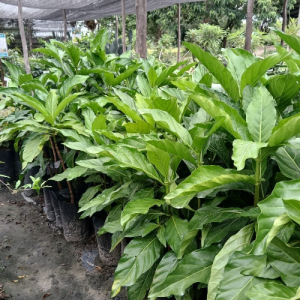
Your gooseberry seedlings are young Cape gooseberry plants raised from selected mother plants. The mother plants produce high quality fruit with good colour, sweetness and size. We choose them because they carry the characteristics you want in your field.
Cape gooseberry is a hardy plant that grows well in many parts of Kenya. It is known locally as nzabibu or poa berry. It is a small shrub that grows 1 to 2 metres tall. It produces small, round, yellow-orange fruits inside a papery husk. The fruit has a sweet-tart flavour. It is rich in vitamin C and antioxidants.
Gooseberry plants grow vigorously. They tolerate a wide range of rainfall conditions and perform well in both humid and semi-arid zones. They adapt to many soil types, including loamy, sandy, and even slightly saline soils.
The plant is related to the tomato and the potato. It belongs to the nightshade family. The fruit is technically a berry. It grows inside a protective husk that looks like a paper lantern. The husk turns from green to brown as the fruit ripens. When the fruit is ready, it falls to the ground inside the husk.
Your gooseberry seedlings need full sun and good drainage from the early growth stage. The site determines how the plant develops, how much fruit it produces, and how easy it is to harvest.
Rooted Gooseberry Seedlings vs Seed-Grown Plants
This is one of the first decisions you make. Many first time farmers get confused here.
Seed-grown gooseberry plants are cheap. The seeds germinate slowly. Seed propagation produces variable plants. You do not know the fruit colour, size or taste until the plant starts bearing. This takes months. By then, you have invested time, water and labour in a plant that may not give you what you want.
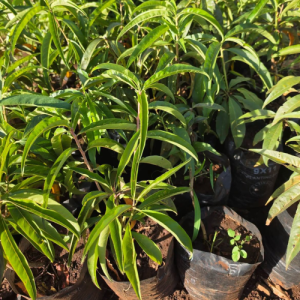
Rooted seedlings are plants that have already developed a healthy root system. This is what Fruit Africa Veriplant sells. When you buy a rooted seedling, you skip the variability. The plant is genetically identical to the mother plant. You know the fruit quality before you plant.
Rooted seedlings are cleaner. They grow in a controlled environment away from field pests and soil borne diseases. They are more uniform, so your farm grows evenly. They are easier to plant and establish. You know the source mother plant, so you know the variety and fruit quality you are buying.
Rooted seedlings also establish faster. They have a head start on seed-grown plants. They begin flowering and fruiting sooner. For a crop that produces for only two to three years, that head start matters. You get more harvests from the same plant over its short life.
Gooseberry Varieties Available at Fruit Africa Veriplant
Not every gooseberry variety performs the same way under Kenyan conditions. Fruit colour, flavour, and market appeal matter for the fresh fruit market and for processing. Here is the variety we stock.
Cape Gooseberry
Cape gooseberry produces fruit with a golden-orange colour. The fruit is small and round, covered by a papery husk. The flavour is sweet and tangy. The fruit is rich in vitamin C. It is used for fresh eating, juice, jams, and sauces. It matures in 12 to 14 weeks. It performs well in cool to warm areas with good management. If you want a reliable variety with a growing market, Cape gooseberry is a strong choice.
The fruit is versatile. You can eat it fresh. You can dry it into raisins. You can cook it into jam, sauce or chutney. You can juice it. You can use it in cakes and desserts. The processed products fetch better prices than the fresh fruit in some markets. You decide which product to make based on your buyer.
How to Choose a Variety
Start with Cape gooseberry for your first planting. It is reliable and has a growing market. Once you gain experience, you can expand your acreage. You can also explore other varieties as they become available in Kenya.
Gooseberry Varieties Comparison
| Variety | Fruit Colour | Flavour | Maturity | Market |
|---|---|---|---|---|
| Cape Gooseberry | Golden-orange | Sweet, tangy | 12 to 14 weeks | Fresh market, processing |
Best Areas for Growing Gooseberry in Kenya
Gooseberry grows well in tropical and subtropical climates. It performs best at temperatures between 15°C and 25°C. It also grows from sea level up to about 2,500 metres above sea level.
Gooseberry tolerates a wide range of rainfall conditions. It performs well in both humid and semi-arid zones. It produces higher yields under moderate and well-distributed rainfall.
The crop adapts to many soil types. It prefers well-drained soils with a pH range of about 5.5 to 7.0. Poor drainage reduces growth and increases disease risk.
Gooseberry grows in many counties across Kenya. The main growing areas include Nairobi, Uasin Gishu, Nakuru, Elgeyo Marakwet and Narok. Farmers in Trans Nzoia, Uasin Gishu and Kakamega also grow it successfully.
The cool highlands suit the crop well. Areas with reliable rainfall and moderate temperatures produce the best fruit. You can also grow it in warmer areas if you have irrigation and good drainage.
If you are unsure whether your farm is suitable, call us on 0714 994 444 and describe your location, soil and water source. We will tell you honestly whether gooseberry will do well there.
A simple test. If the area grows cabbages, potatoes or maize without much fuss, and it rarely floods, gooseberry will probably be happy there too.

Gooseberry growing on a small plot
Climate Requirements
You need to understand exactly what a gooseberry plant wants from its environment. Get these details right and your seedlings establish faster and grow into stronger, more productive plants.
Temperature
Gooseberry is a cool to warm climate plant. It grows best where daytime temperatures sit between 15°C and 25°C during the growing season. It handles short spells above that. Prolonged heat above 30°C causes flower drop and sunburn on the fruit. Gooseberry can handle some cold. Frost can damage young plants.
The plant grows well in the Kenyan highlands. It also grows in the mid-altitude areas. It does not like the hot, humid coastal lowlands. The fruit quality drops in extreme heat.
Rainfall
Gooseberry needs moderate rainfall, ideally between 800mm and 1,200mm a year. It tolerates lower rainfall once established. It produces higher yields under well-distributed rainfall. If you live in a dry area, you need irrigation during flowering and fruit development.
The plant does not like waterlogged soil. Too much rain during the growing season causes root rot. Good drainage matters more than total rainfall.
Sunlight
Full, unfiltered sun is important. Gooseberry needs at least six to eight hours of direct sunlight a day to flower and fruit well. The plants need sunlight for photosynthesis. The fruit needs sunlight to develop proper sugar content and colour. Plants in shade produce fewer fruits with lower sugar content. Choose your planting site with sunlight as the priority. Avoid areas shaded by buildings, hills, or larger trees.
Humidity
Gooseberry tolerates moderate humidity. High humidity encourages fungal diseases. If your area has high humidity, you need wider spacing, better canopy management and a strict spraying programme.
Soil Requirements
Gooseberry adapts to a wide range of soil textures. It prefers well-drained soils with a pH range of about 5.5 to 7.0.
Soil Type
In soil with low fertility or compact clay, mix in some organic compost before planting. Gooseberry likes the soil to hold some moisture, especially when the fruits are developing. It does not like soil that stays constantly soggy or wet.
Sandy loam soils are best. They drain well and warm up quickly. Clay soils need extra organic matter and raised beds to improve drainage. Avoid heavy clay soils that hold water for long periods.
Soil pH
Gooseberry prefers slightly acidic to neutral soil with a pH of 5.5 to 7.0. Strongly acidic soils below pH 5.5 lock up nutrients and lead to poor plant growth. If your soil pH is low, adjust it with agricultural lime before planting. If your soil is too alkaline, add organic matter or elemental sulphur.
Drainage
Good drainage is non negotiable. Gooseberry does not like wet feet. Waterlogging increases the risk of root rot and weakens the plant’s resistance to disease. If your soil is heavy clay or holds water for long periods after rain, you need raised planting mounds or extra sand and organic matter worked into each planting hole.
Soil Testing
Do a soil test before planting. It tells you the pH, nutrient levels and organic matter content. It costs between Ksh 3,000 and Ksh 8,000 depending on the laboratory. The money you spend on a soil test saves you from guessing on fertilizer and lime.
The formula for great ecological conditions. Cool to warm, sunny, free draining soil, and a slightly acidic to neutral pH. Match those and a gooseberry plant rewards you with good production.
How Many Gooseberry Seedlings Do You Need Per Acre?
This is one of the most important calculations before you order. The number depends on your spacing.
At our recommended spacing of 1 metre by 1 metre, one acre takes about 2,500 plants. One acre is approximately 4,047 square metres. At 1 metre by 1 metre, each plant gets 1 square metre. Divide 4,047 by 1 and you get approximately 4,000 plants. Practical field boundaries, access paths and other layout considerations reduce the plant population to about 2,500 plants per acre.
Some farmers use closer spacing of 0.8 metres by 1 metre. This gives about 3,000 plants per acre. Closer spacing increases early yields but requires more intensive management. Wider spacing of 1.5 metres by 1.5 metres gives about 1,800 plants per acre.
| Spacing | Approximate Plants Per Acre |
|---|---|
| 0.8m x 1m | 3,000 plants |
| 1m x 1m | 2,500 plants |
| 1.5m x 1.5m | 1,800 plants |
The final number depends on your field layout. Headlands, access paths and other infrastructure reduce the plant population. Order slightly more than your calculated figure to cover any seedling that fails to establish.
Seedling Cost Calculator
At Ksh 150 per seedling, here is what you pay.
| Seedlings | Cost | Approximate Area |
|---|---|---|
| 100 | Ksh 15,000 | 0.04 acre |
| 250 | Ksh 37,500 | 0.1 acre |
| 500 | Ksh 75,000 | 0.2 acre |
| 1,250 | Ksh 187,500 | 0.5 acre |
| 2,500 | Ksh 375,000 | 1 acre |
Call us on 0714 994 444 with your acreage and we will confirm your order quantity.
Gooseberry Spacing in Kenya
Your gooseberry seedlings need correct spacing from the day you plant them. Spacing determines how much sunlight each plant gets, how air moves through the field, and how easy it is for you to walk between rows for pruning, spraying and harvesting.
We recommend 1 metre between rows and 1 metre between plants for most Kenyan farmers. It gives you a good balance between plant population, airflow, and ease of movement through the farm. Planting too densely makes it hard to walk between the rows. Pruning, spraying and harvesting become difficult.
If you plant at 0.8 metres by 1 metre, you get more plants per acre. The higher density demands more careful management. You need more pruning, more spraying and more labour. Start with the standard spacing and adjust after you gain experience.
If you plant at 1.5 metres by 1.5 metres, you get fewer plants per acre. The wider spacing allows more air movement. It reduces disease pressure. It also makes harvesting easier. The trade off is lower plant population and lower total yield per acre in the early years.
How to Plant Gooseberry Seedlings
Once your seedlings arrive, timing and technique matter. This is what you should do.
Step 1: Choose the Site
Pick a spot with full sun exposure, at least six to eight hours a day, and soil that drains well. Avoid low lying areas that flood after heavy rain. Gooseberry needs good air circulation. Avoid sites surrounded by tall trees or buildings that block wind movement.
Step 2: Prepare the Planting Holes
Dig holes that are 30 centimetres deep, 30 centimetres wide, and 30 centimetres long. Mix the topsoil with 1 kilogram of well decomposed manure per plant at planting time. Put this mixture back into the hole before planting.
Step 3: Plant at the Right Depth
Place the seedling in the hole so the base of the stem sits at the same soil level it was growing at in the nursery bag. Planting too deep causes the stem to rot. Planting too shallow exposes roots to drying out.
Step 4: Water Immediately After Planting
Give a generous first watering to settle the soil around the roots and remove air pockets.
Step 5: Mulch Around the Base
A layer of dry grass, straw or wood chips around the base, kept a little away from the stem itself, helps retain moisture and suppress weeds.
Step 6: Support the Plants
Put a stick on each plant so the gooseberry does not lie on the ground. This helps in getting more yields.
The best planting window in most of Kenya is just before or during the onset of the rains, so the young roots get help establishing before the dry heat sets in fully. With reliable irrigation, you plant gooseberry at almost any time of year.
What to Do When Your Gooseberry Seedlings Arrive
So your seedlings have arrived. This is what you should do next.
Open the package in a shaded area. Do not leave the seedlings in direct sun inside the packaging.
Inspect the plants. Check the stems, roots and leaves. Look for damage during transport.
Keep the roots moist. If you are not planting immediately, water the root zone and keep the seedlings in a shaded place.
Prepare your planting holes beforehand. Have the manure and water ready before you open the package.
Plant promptly. Do not hold the seedlings for more than a few days. The longer you wait, the more stress the plants suffer.
Water immediately after planting. Give each plant a generous first watering.
Protect young plants from livestock. Goats, cattle and sheep eat young gooseberry leaves. Fence your field or keep animals away.
Call us on 0714 994 444 if you have questions when your seedlings arrive. We guide you through the first days after planting.
Watering Gooseberry Plants
Gooseberry plants are drought tolerant once established. Young seedlings are a different story. For the first month, consistent watering is critical to build a strong root system.
Watering Schedule for Young Plants
Water twice a week during establishment, adjusting for rainfall. Once established, reduce frequency but water deeply, allowing the soil to dry out somewhat between sessions. Deep, infrequent watering encourages roots to grow downward in search of moisture.
Watering Schedule for Mature Plants
Once the plant is established, water once a week during dry spells. The plant becomes dormant during drought. It revives when the rains return. Do not overwater. Too much water causes root rot.
Irrigation Methods
Drip irrigation is ideal for gooseberry. It delivers water directly to the root zone without wasting it on evaporation. A good drip system for an acre costs about Ksh 80,000 to Ksh 150,000. It pays back through water savings and better plant health.
Irrigation can be cut back when the fruits are maturing. The plants become dormant during drought.
If you use furrow irrigation, keep the water away from the stem. Wet stems encourage rot.
Fertilizer and Manure Requirements
Your fertilizer decisions should follow a soil test. Do not apply fixed rates blindly. The soil test tells you what your soil lacks.
Apply well rotted manure around the base at planting time and before the onset of flowering. Cape gooseberry thrives on neglect. Even moderate fertilizer tends to encourage excessive vegetative growth and to depress flowering. High yields are attained with little or no fertilizer.
Avoid over fertilising with nitrogen alone. It pushes leafy growth at the expense of fruiting.
If your soil test shows low potassium, add a potassium rich fertilizer before flowering. Potassium supports fruit development and quality.
Training and Pruning Gooseberry Plants
Gooseberry plants need little pruning unless the plant is being trained to a trellis. Pinching back of the growing shoots will induce more compact and shorter plants.
First Month Training
Allow the plant to establish. Remove shoots that grow from the base of the stem if they are weak. Select three to four strong branches to form the main framework.
Mature Plant Pruning
Prune every year after harvest. Remove dead, diseased and crossing branches. Thin the canopy to let light in. Keep the plant height manageable for easy harvesting. Use sharp pruning tools. Clean them between plants to prevent disease spread.
Pruning improves air circulation. It reduces disease pressure. It also makes harvesting easier.
Flowering, Fruit Set and Crop Development
Gooseberry flowers appear on new growth. The plant produces small, bell-shaped flowers. Flowering happens several times a year depending on the variety and the weather. Fruit set follows. The fruit grows and ripens over 12 to 14 weeks.
Cape gooseberry produces two flowering seasons a year. The main harvest comes when the fruit falls to the ground. Not all fallen fruits are in the same stage of maturity and must be held until they ripen.
The plant self pollinates. You do not need another plant for pollination. Bees and other insects help with pollination and improve fruit set.
How Long Do Gooseberry Plants Take to Fruit?
Your gooseberry seedlings are fast to establish. Rooted seedlings start producing fruit in 12 to 14 weeks after planting. Full production comes in the second year.
Once mature, a gooseberry plant produces 4 to 5 kilograms of fruit per year. The plant keeps producing for 2 to 3 years.
First Year to Third Year Timeline
| Year | What Happens |
|---|---|
| Year 1 | Establishment, root development, training, irrigation, weed control |
| Year 2 | Full production, canopy management, pruning, disease management |
| Year 3 | Peak production, market development |
This gives you a realistic picture of what happens after you buy gooseberry seedlings.
Gooseberry Pests and Diseases
Gooseberry plants are hardy. They are not invincible. Watch out for these problems.
Common Pests
| Pest | Symptoms | When It Appears | Prevention and Management |
|---|---|---|---|
| Cut worm | Cut stems at ground level | Young growth stages | Use a registered product approved for gooseberry. Follow the label rate and pre-harvest interval |
| Stem borer | Bore holes in stems | Warm dry periods | Remove affected stems, use approved products |
| Leaf borer | Tunnels in leaves | Growing season | Use approved products, keep field clean |
| Fruit moth | Larvae inside fruit | During fruiting | Use pheromone traps, harvest on time, keep field clean |
| Aphids | Curled leaves, stunted shoots | Young growth stages | Use a registered product approved for gooseberry |
| White fly | White insects on leaves | Warm humid periods | Use yellow sticky traps or approved products |
Common Diseases
| Disease | Symptoms | When It Appears | Prevention and Management |
|---|---|---|---|
| Alternaria | Dark lesions on leaves and fruit | Wet humid conditions | Copper based sprays, open canopy, good air circulation |
| Powdery mildew | White powder on leaves | Warm days, cool nights | Sulphur based fungicides, open canopy |
| Root rots | Yellowing leaves, plant decline | Waterlogged soils | Improve drainage, avoid overwatering |
| Viruses | Mottled leaves, stunted growth | Throughout season | Use clean planting material, control aphids |
Use registered products approved for gooseberry. Follow the label rate and the pre-harvest interval. Do not present one treatment as universally suitable. Ask us for guidance on your specific disease problem. Call 0714 994 444.
The single biggest protection against most of these problems is starting with clean, healthy planting material. Avoid uncertified seedlings from unknown sources. Rooted seedlings from a trusted nursery matter.
Harvesting Gooseberry in Kenya
Harvest timing affects flavour, shelf life and market price. Pick too early and the fruit lacks sweetness. Pick too late and the fruit spoils quickly.
How to Identify Mature Fruit
Check the husk. It turns from green to brown and papery. The fruit inside turns golden-orange. The fruit falls to the ground when ripe. Not all fallen fruits are in the same stage of maturity and must be held until they ripen.
Harvest Timing
Harvest in the cool hours of the morning. Handle the fruit gently. Place the fruit into clean crates. Do not pile too many fruits on top of each other.
The harvest season lasts several weeks. You pick the fallen fruit every few days. This gives you a steady supply for the market.
Sorting and Grading
Sort the fruit. Remove damaged, diseased or overripe fruits. Grade by size and colour. Uniform fruit fetches better prices.
Packaging and Transport
Pack gooseberry in ventilated crates. Do not overfill. Keep the fruit in a cool, shaded place before transport. Deliver to the market as soon as possible. Gooseberry loses quality fast in the heat.
You can also remove the husk before packing. Husked fruit looks better on the shelf. It also sells faster. Some buyers prefer fruit with the husk intact because it lasts longer.
Where to Sell Gooseberry in Kenya
Your market determines your variety, your volume and your harvest schedule. Find your buyer before you plant.
Gooseberry can be processed into many products, including juice, cakes, pickles, raisins, wine, dried fruits, jams and sauces.

Gooseberry Fruits on Punnets Ready to be Sold
| Market Channel | What Buyers Want |
|---|---|
| Supermarkets | Uniform fruit, good colour, consistent supply |
| Fruit shops | Good flavour, fair price, regular delivery |
| Hotels and restaurants | Premium quality, reliable volumes |
| Wholesalers | Large volumes, competitive price |
| Open air markets | Fresh fruit, fair price, quick turnover |
| Direct farm sales | Fresh fruit, customer relationship, premium price |
| Juice processors | Any variety, volume matters more than appearance |
| Herbal product makers | Dried fruit, consistent quality |
Talk to buyers before you plant. A quick conversation with a local supermarket buyer, juice processor or herbal product maker ahead of planting season secures better pricing than showing up at harvest time with fruit and no buyer lined up.
You can also sell to local open air markets. Gooseberry is not as common as other fruits. Many consumers have never tried it. You can build a market by offering free samples and explaining the health benefits.
Find Your Market Before Planting Gooseberry
This is practical advice. Identify your target buyer. Find out the expected price. Ask about fruit colour and size. Confirm packaging requirements. Agree on weekly volume. Plan your harvest period to match demand. Check transport distance. Agree on payment terms.
Planting without a market is gambling. Planting with a confirmed buyer is business.
Can You Intercrop With Gooseberry?
You do not sit idle waiting for your gooseberry plants to fruit. Gooseberry is planted with spacing between rows. You have room between rows for shorter season crops, especially drought tolerant ones suited to the same conditions, such as beans, groundnuts, vegetables or beekeeping alongside the plants for extra honey income. This approach improves land use and gives you a mixed income while the plants mature.
Intercropping also helps control weeds. The cover crops shade the soil and reduce weed growth. They also add organic matter to the soil when they decompose.
Choose intercrops that do not compete with gooseberry for water and nutrients. Legumes are a good choice. They fix nitrogen in the soil. This benefits the gooseberry plants.
Cost of Establishing Gooseberry Per Acre
This is the part most farmers want to see. How much does it cost to plant?
Establishment Cost Per Acre
| Item | Estimated Cost (KES) |
|---|---|
| Gooseberry seedlings (2,500 at Ksh 150 each) | 375,000 |
| Land Preparation | 20,000 to 40,000 |
| Soil Testing | 3,000 to 8,000 |
| Manure and Compost | 20,000 to 30,000 |
| Planting Labour | 10,000 to 20,000 |
| Irrigation Equipment | 80,000 to 150,000 |
| Mulching Material | 10,000 to 15,000 |
| Fertilizer (first year) | 15,000 to 25,000 |
| Pest and Disease Control | 10,000 to 20,000 |
| Total First Year Investment | 543,000 to 683,000 |
Annual Operating Cost After Establishment
| Item | Estimated Cost (KES) |
|---|---|
| Water and irrigation maintenance | 30,000 |
| Manure and fertilizer | 40,000 |
| Pest and disease control | 25,000 |
| Pruning and training labour | 30,000 |
| Harvesting labour | 40,000 |
| Packaging and transport | 50,000 |
| Total Annual Operating Cost | 215,000 |
Gooseberry Yield and Income Per Acre
Let us put realistic numbers on the table. We show three yield scenarios and three price levels. This gives you a more honest picture than one optimistic projection.
Conservative Scenario
| Item | Amount |
|---|---|
| Yield per acre | 2,500 kg |
| Farm gate price | Ksh 150 per kg |
| Gross revenue | Ksh 375,000 |
| Annual operating cost | Ksh 215,000 |
| Estimated operating surplus | Ksh 160,000 |
Moderate Scenario
| Item | Amount |
|---|---|
| Yield per acre | 5,000 kg |
| Farm gate price | Ksh 200 per kg |
| Gross revenue | Ksh 1,000,000 |
| Annual operating cost | Ksh 215,000 |
| Estimated operating surplus | Ksh 785,000 |
High Performing Scenario
| Item | Amount |
|---|---|
| Yield per acre | 8,000 kg |
| Farm gate price | Ksh 300 per kg |
| Gross revenue | Ksh 2,400,000 |
| Annual operating cost | Ksh 250,000 |
| Estimated operating surplus | Ksh 2,150,000 |
The average yield observed in Kenya is 5 to 8 tonnes per acre. Under good management, this crop can yield up to 10 tonnes per acre. A single plant yields an average of 200 fruits, which is about 1 kilogram of fruits per season, translating to 2 kilograms per plant per year given the crop has two flowering seasons a year.
The operating surplus is not the same as profit. It does not account for land cost, depreciation of irrigation equipment, finance costs, management costs, post-harvest losses, market commissions, taxes where applicable, or replacement seedlings. Treat these figures as an operating surplus before other costs.
Break-Even Calculation
If your farm sells gooseberry at Ksh 200 per kilogram and your annual operating costs are Ksh 215,000, your operating break-even quantity is about 1,075 kilograms. That covers your running costs only.
To recover your first-year establishment investment of about Ksh 543,000 to Ksh 683,000, you need to sell more. At Ksh 200 per kilogram, you need to sell about 2,715 to 3,415 kilograms just to recover the establishment cost. Add the annual operating cost and the full payback quantity rises.
Your full investment payback comes in the first year if your yields and prices hold. From year two onwards, the field generates strong returns. The plants keep producing for 2 to 3 years.
These are estimates. Actual results depend on variety, management, water availability and market access.
Common Mistakes When Growing Gooseberry
We speak to dozens of farmers every month. The same mistakes come up again and again.
- Buying seedlings from roadside sellers with no knowledge of the variety.
- Buying gooseberry seedlings that are not true Cape gooseberry.
- Planting without a soil test.
- Planting in poorly drained soil.
- Using the wrong spacing.
- Underwatering during establishment.
- Overfertilising with nitrogen.
- Skipping pruning.
- Ignoring pest control.
- Planting without a confirmed market.
Every one of these mistakes is avoidable with the right planting material and guidance at the start.
How Fruit Africa Veriplant Propagates Gooseberry Seedlings
Fruit Africa Veriplant follows a careful process to produce high quality rooted gooseberry seedlings. Every seedling we sell is healthy, vigorous, and true to type.
Step 1: Mother Plant Selection
We select mother plants from plants known to produce high quality fruit with good colour, sweetness, size and yield. These mother plants are healthy and free from disease.
Step 2: Seed Collection
We collect seeds from the selected mother plants. We dry the fruit and extract the seeds. We clean and store the seeds properly.
Step 3: Germination
We plant the seeds in a well drained potting mix. We keep the soil consistently warm. Germination takes time.
Step 4: Transplanting to Pots
Once a few true leaves have developed, we transplant the seedlings to individual pots. We use a standard potting mix that is well drained.
Step 5: Hardening
We gradually expose the seedlings to outside conditions to harden them. This takes 5 to 10 days. This prepares them for field planting.
Step 6: Quality Inspection
Every seedling is inspected before it leaves our nursery. We check for a strong root system, healthy stems, and no signs of disease or pests.
Step 7: Packaging and Delivery
The seedlings are carefully packaged to protect them during transport. We deliver to farmers across the country.
How to Order Gooseberry Seedlings
Ordering is simple for farmers in Kenya and for international buyers.
How Kenyan Farmers Order
Call or WhatsApp us on 0714 994 444 to discuss your location, farm size and the varieties available. We advise on the right number of seedlings, spacing and the best varieties for your area. Place your order and arrange delivery or collection. For any further questions, email us at sales@fruitafrica.org.
We supply farmers across Kenya, from the cool highland counties to the warm lowland pockets in other parts of the country.
How International Buyers Order
If you are ordering from outside Kenya, we serve you the same way. You send us a request for quote by email to sales@fruitafrica.org or by WhatsApp to 0714 994 444. Tell us the number of seedlings you need, the varieties you want, and your destination country and city.
We respond with a full quotation that includes the cost of the seedlings, the freight charges, the documentation required for export, the logistics arrangements, and the timeframe for delivery.
We advise you on the phytosanitary certificate from KEPHIS, the export licence from the Horticultural Crops Directorate, and any import permit your country requires. We guide you on the best shipping method, whether by air or sea, depending on the number of seedlings and how fast you need them.
We handle the packing of the seedlings for long distance transport so they arrive in good condition. We keep you updated on the shipment from the moment it leaves our nursery to the moment it reaches your destination. If you need help with customs clearance at your end, we connect you with agents who understand live plant imports.
Send your request for quote today. We respond to every serious enquiry with clear numbers and clear timelines.
Why Buy From Fruit Africa Veriplant
We started Fruit Africa Veriplant because too many Kenyan farmers were being sold false hope in plastic bags. Farmers travelled long distances, paid good money, planted carefully, watered faithfully for months, only to find out their seedlings were weak, diseased, or not the right variety.
You get certainty on variety and quality when you buy gooseberry seedlings from us. Our seedlings are rooted and propagated with care. You know what you are planting. You get a fair, transparent price of Ksh 150 per rooted seedling, with no surprise costs added later. You get guidance, not a sale.
We talk to every customer about location, water source and goals before recommending quantities and varieties. We support you through planting, training and early care. Our team understands Kenyan farming conditions, not textbook advice copied from foreign manuals.
Whether you plant five plants in your backyard in Kinangop or five hundred plants in Trans Nzoia, or you are an international buyer importing into another country, we treat the order with the same seriousness.
Frequently Asked Questions
-
How much are gooseberry seedlings in Kenya? Gooseberry seedlings from Fruit Africa Veriplant cost Ksh 150 per rooted seedling.
-
Where do I buy gooseberry seedlings? Buy directly from Fruit Africa Veriplant in Murang’a, Nairobi and Embu. We deliver countrywide. Call 0714 994 444 or email sales@fruitafrica.org.
-
How many seedlings do I need for one acre? At 1 metre by 1 metre spacing, one acre takes about 2,500 gooseberry seedlings.
-
Which gooseberry variety is best for Kenya? Cape gooseberry is reliable and has a growing market. It matures in 12 to 14 weeks.
-
How long does a rooted gooseberry seedling take to fruit? Rooted seedlings start producing fruit in 12 to 14 weeks after planting. Full production comes in the second year.
-
Do gooseberry plants grow in dry areas of Kenya? Yes. Gooseberry tolerates a wide range of rainfall conditions. It performs well in both humid and semi-arid zones. You need irrigation during establishment and fruit development.
-
Do gooseberry plants need irrigation? Yes. Young plants need regular watering for the first month. Mature plants are drought tolerant but produce better with consistent moisture during flowering and fruiting.
-
What type of soil does gooseberry need? Gooseberry adapts to many soil types. It prefers well drained soil with a pH of 5.5 to 7.0.
-
How much does it cost to establish a gooseberry farm? First year investment ranges from Ksh 543,000 to Ksh 683,000 per acre, depending on irrigation.
-
How do I order gooseberry seedlings from Kenya? Kenyan farmers call or WhatsApp 0714 994 444. International buyers send a request for quote to sales@fruitafrica.org or WhatsApp 0714 994 444.
-
How long do gooseberry plants produce for? A well managed gooseberry plant produces fruit for 2 to 3 years.
-
Do gooseberry plants produce fruit twice a year? Yes. Cape gooseberry produces two flowering seasons a year.
-
What is the biggest pest problem for gooseberry in Kenya? Cut worm, stem borer, leaf borer, fruit moth, aphids and white fly are common pests.
-
Can I grow gooseberry in a pot? Gooseberry grows best in the ground. It is not well suited to pots for commercial production.
-
What is the current market price for gooseberry in Kenya? Farm gate prices range from Ksh 150 to Ksh 300 per kilogram. Retail prices reach Ksh 300 to Ksh 400 per kilogram in urban markets.
-
Are gooseberry seedlings profitable in Kenya? Yes. A mature acre earns between Ksh 375,000 and Ksh 2.4 million a year. Payback comes within the first year.
-
How do I know if my area is suitable for gooseberry? If your area is cool to warm, gets plenty of sunshine and has well drained soil, gooseberry will do well. Call us on 0714 994 444 and we advise you honestly.
-
Can I intercrop with gooseberry? Yes. Beans, groundnuts, vegetables and other short season crops grow well between gooseberry rows while the plants establish.
-
What is the best spacing for gooseberry in Kenya? We recommend 1 metre between rows and 1 metre between plants.
-
Do gooseberry seedlings need full sun? Yes. Gooseberry needs at least six to eight hours of direct sunlight a day to flower and fruit well.
Conclusion and Call to Action
If your farm has full sunlight, reliable water, good drainage and a suitable market, gooseberry seedlings offer an option for small and commercial growers. Before ordering, confirm your spacing, irrigation plan and buyer requirements.
This is what you should do. Pick up your phone. Call Fruit Africa Veriplant on 0714 994 444. Kenyan farmers order directly by call or WhatsApp. International buyers send a request for quote to sales@fruitafrica.org or WhatsApp 0714 994 444. We respond with details on freight, documentation, logistics and timeframe. Quality rooted gooseberry seedlings cost Ksh 150 each. Let us get your farm growing.



Reviews
There are no reviews yet.